10 Subway Backsplash Ideas That Prove This Trend Is Here to Stay
- White Subway Tile with Dark Grout
- Classic Herringbone Subway Layout
- Colored Subway Tile in Soft Sage or Blush
- Vertical Subway Tile Installation
- Extended Subway Tile to the Ceiling
- Handmade Zellige-Inspired Subway Tile
- Subway Tile with a Mosaic Accent Strip
- Large-Format Subway Tile
- Neutral Subway Tile with Warm Wood Shelving
- Peel-and-Stick Subway Tile for Renters
10 Subway Backsplash Ideas That Prove This Trend Is Here to Stay
Subway tile has been around for over a century, and honestly, it doesn’t look like it’s going anywhere. Every year someone predicts it’s about to feel dated, and every year it just quietly reinvents itself. That’s the real secret behind this trend’s staying power. It’s not stuck in one look. From classic white kitchens to bold, colorful bathrooms, subway tile keeps adapting to whatever style you’re into right now. If you’re weighing a backsplash update and wondering whether subway tile is still worth it, these ten ideas should answer that question pretty clearly.
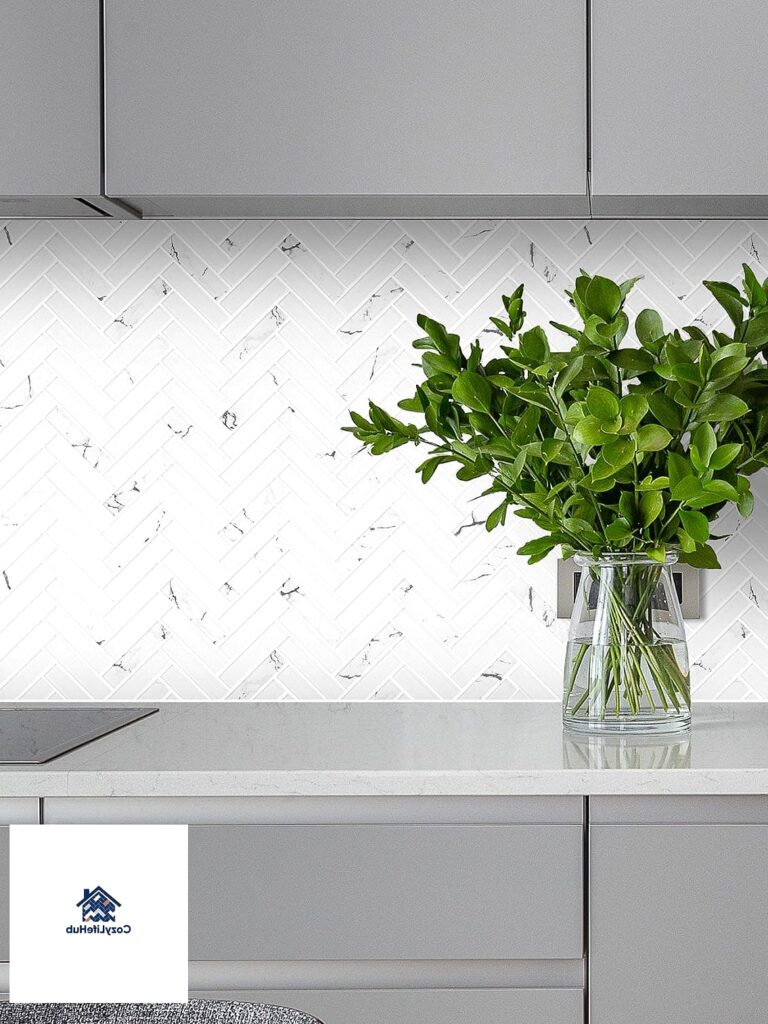
White Subway Tile with Dark Grout
This is the combo that basically defined modern farmhouse kitchens, and it’s still one of the most requested looks by tile installers today. The contrast between crisp white tile and charcoal or black grout gives you clean lines that actually show off the pattern instead of blending into a flat white wall.
It works especially well in kitchens with white or light gray cabinets, since the grout lines add just enough visual texture to keep things from feeling too sterile. Practicality-wise, dark grout hides daily grime better than white grout does, which matters a lot behind a stove or sink.
Budget-wise, this is one of the more affordable backsplash options out there, especially if you go with standard 3×6 ceramic tile. If you want to stretch your budget further, you can DIY this one over a weekend with basic tools and a tile spacer kit.
Classic Herringbone Subway Layout
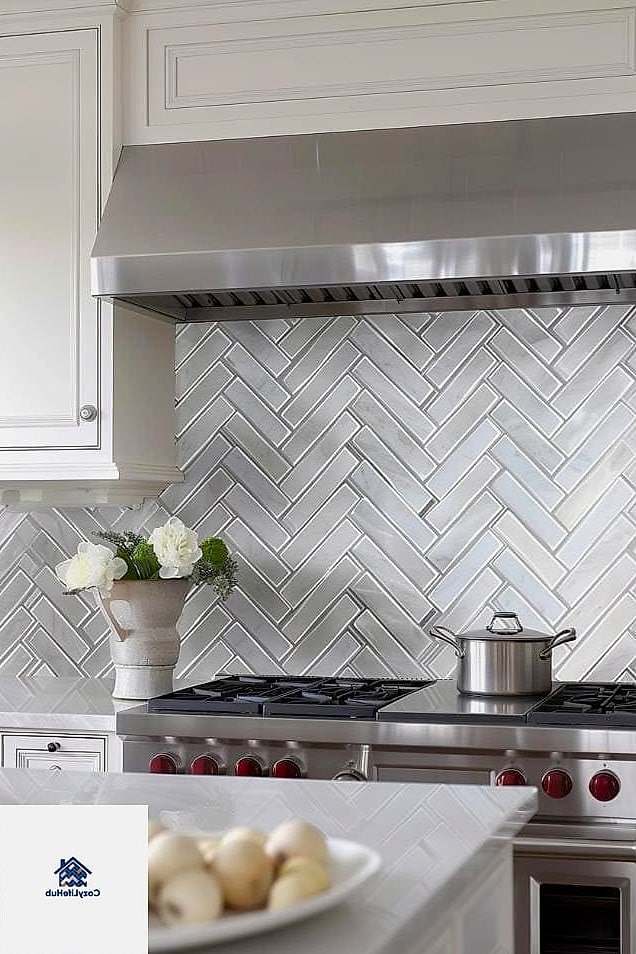
Same tile, totally different attitude. Laying subway tile in a herringbone pattern instead of the standard brick-lay instantly makes a kitchen feel more custom without requiring a full renovation or a fancy tile material.
This layout works beautifully behind a range as a focal point, even if the rest of your backsplash is a simpler stacked or offset pattern. The diagonal movement catches light in a way that flat layouts just can’t match.
Keep in mind herringbone requires more cuts and more tile waste, so it’s a bit more labor-intensive to install. Many homeowners hire a pro for this one, though confident DIYers with patience can absolutely pull it off using a wet saw.
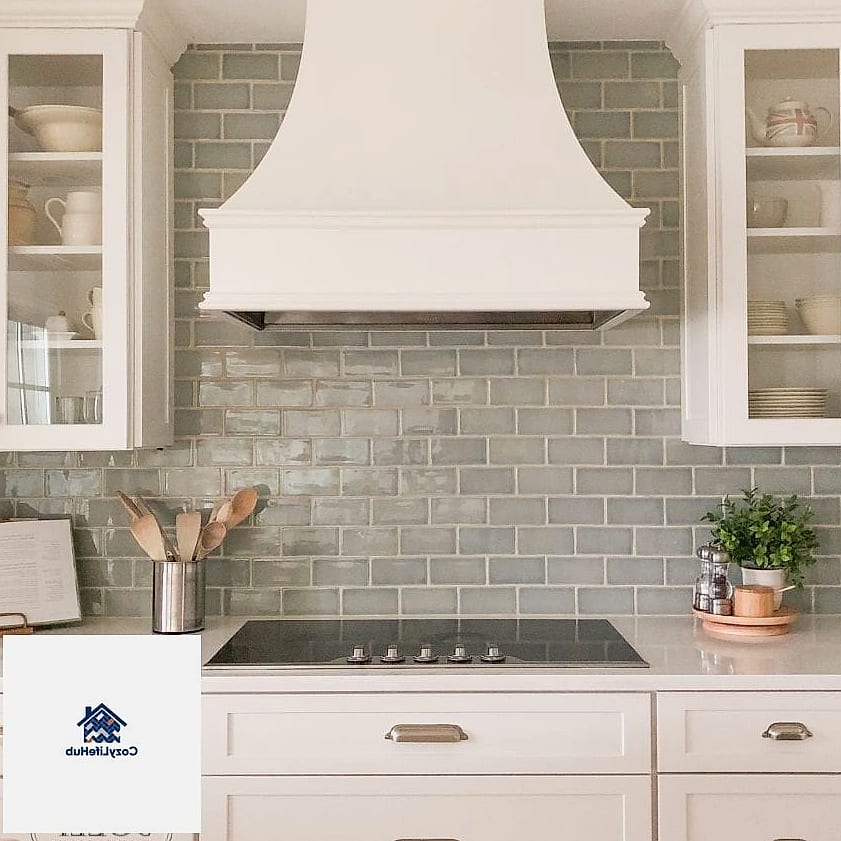
Colored Subway Tile in Soft Sage or Blush
White subway tile gets all the attention, but colored versions have quietly become one of the biggest kitchen trends of the past few years. Soft sage green, dusty blush, and muted terracotta all bring warmth without overwhelming a space.
These colors pair especially well with brushed brass hardware and warm wood tones, giving a kitchen that collected-over-time feel designers love right now. It’s a great middle ground if you want personality but aren’t ready to commit to something loud.
Since the shape stays traditional, colored subway tile still reads as classic rather than trendy, which means it should age well even as color preferences shift. That’s honestly the appeal here: bold color, safe silhouette.
Vertical Subway Tile Installation
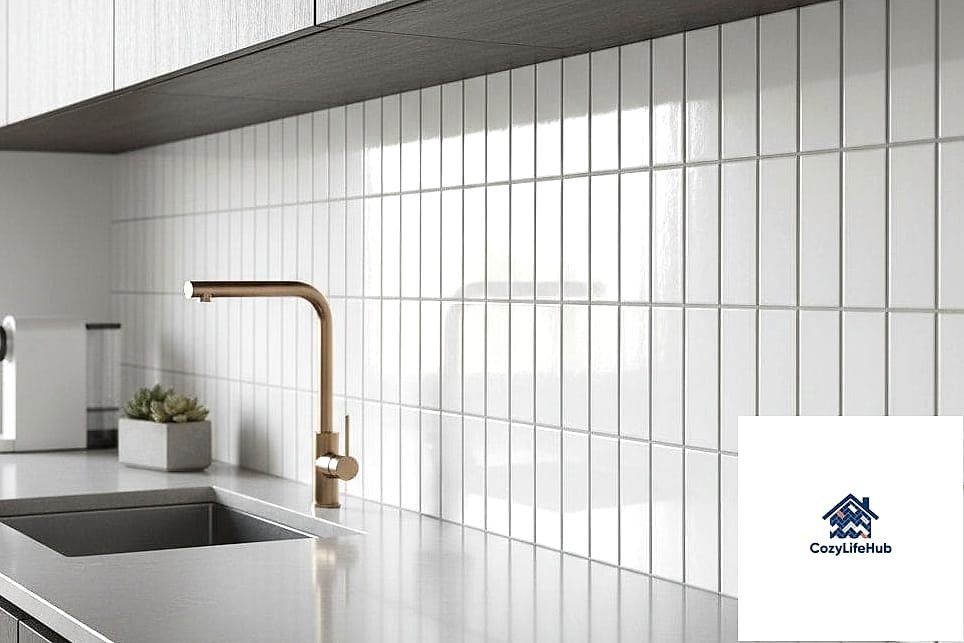
Turning the tile 90 degrees so it runs vertically instead of horizontally is a simple change that makes a surprisingly big visual difference. Vertical lines draw the eye upward, which can make a kitchen with low ceilings feel a touch taller.
This layout tends to look best in narrow spaces, like a slim backsplash section between counter and upper cabinets, or a full-height wall behind open shelving. It also pairs nicely with matte finishes for a more understated, modern look.
Installation difficulty is comparable to a standard layout, so this is still a reasonable DIY project if you’ve done basic tiling before. Just double check your tile spacers are rated for vertical runs so nothing shifts before the grout sets.
Extended Subway Tile to the Ceiling
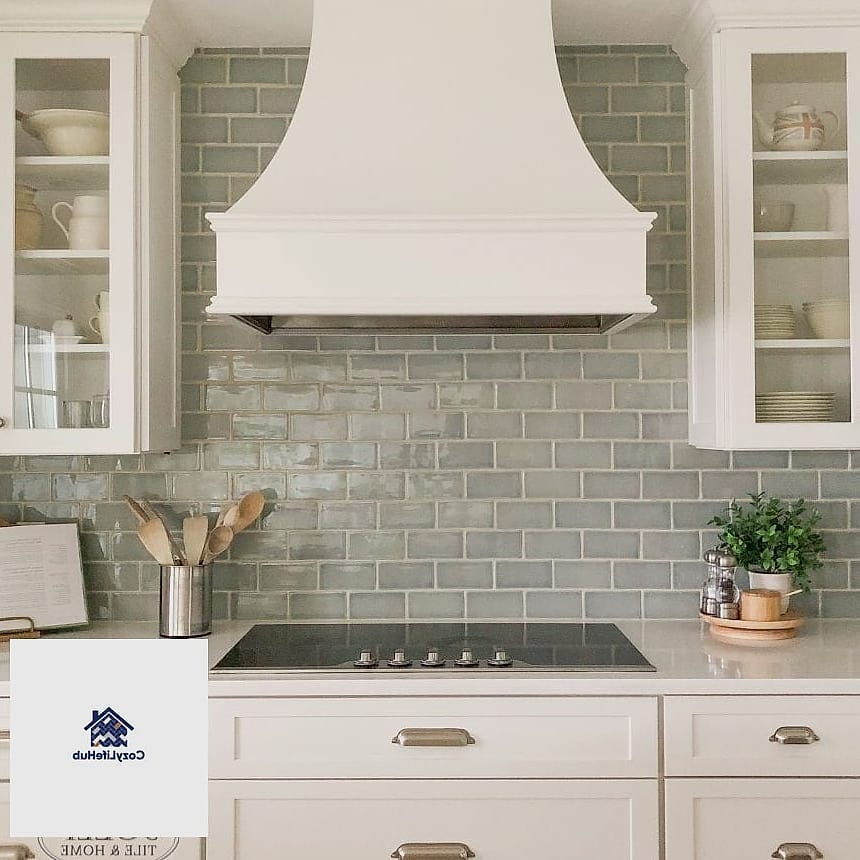
Instead of stopping the backsplash at the upper cabinets, some homeowners are running subway tile all the way up to the ceiling, especially in kitchens with open shelving instead of upper cabinets. It’s a bold move, but it makes a real statement.
This works particularly well in smaller kitchens where wall space is limited anyway. Full-height tile adds texture and interest to a wall that would otherwise just be blank paint, and it makes open shelves look intentionally styled rather than sparse.
Budget-wise, this obviously requires more tile and more grout than a standard backsplash, so factor that into your material costs. It’s a bigger investment, but the payoff in visual impact is hard to beat.
Handmade Zellige-Inspired Subway Tile
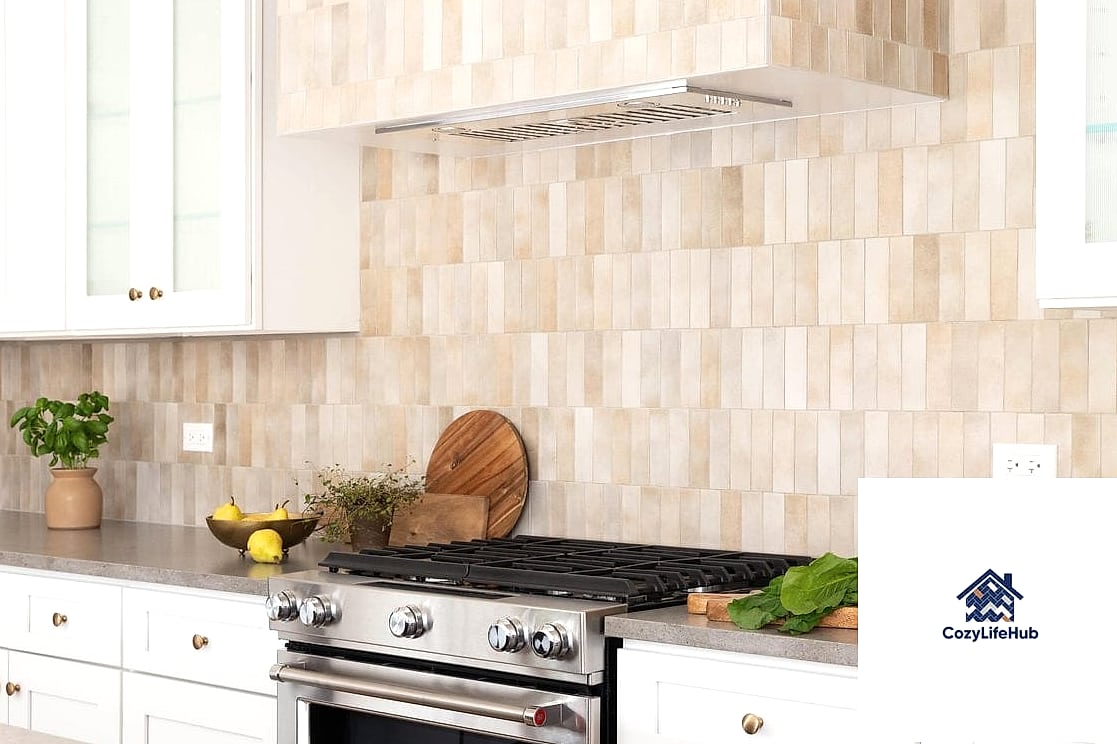
If you love the subway shape but want more texture, zellige-inspired tile gives you that same rectangular form with irregular edges and a slightly glossy, handmade finish. Each tile reflects light a little differently, which adds depth a flat ceramic tile just can’t offer.
This style has become hugely popular for kitchens leaning into a Mediterranean or European farmhouse feel. It looks especially good in warm, earthy color palettes like terracotta, cream, or olive.
One thing worth knowing before you commit: true zellige tile is pricier and requires careful installation since the tiles aren’t perfectly uniform. There are more affordable ceramic versions that mimic the look if you want the vibe without the higher price tag.
Subway Tile with a Mosaic Accent Strip
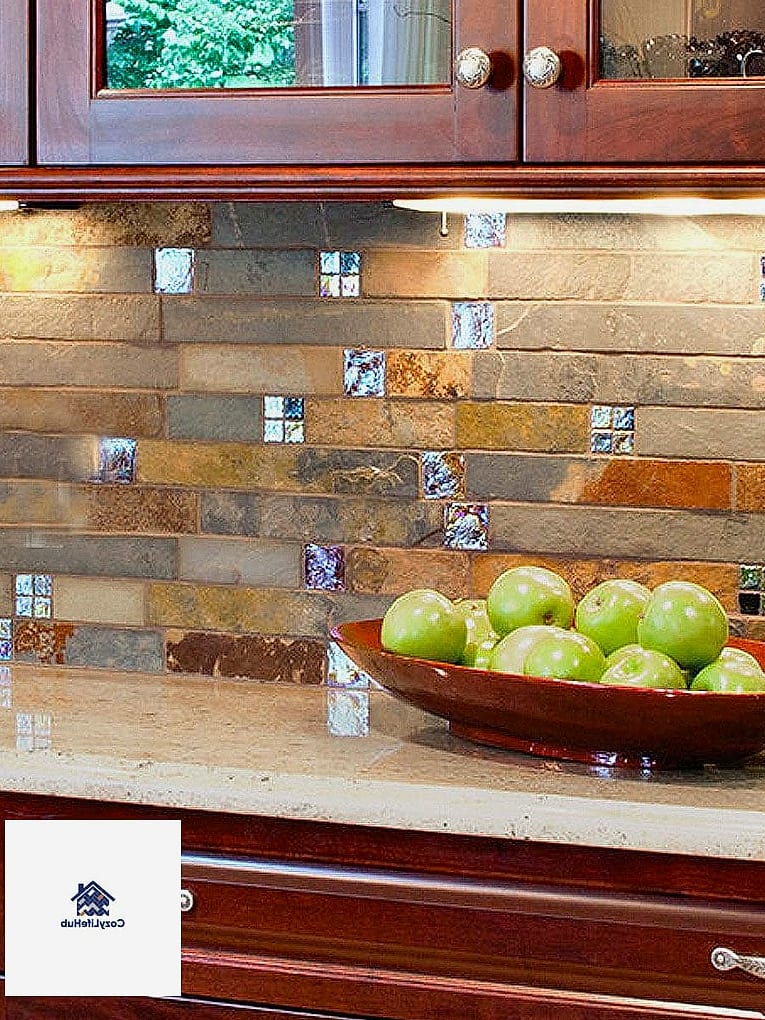
A lot of homeowners are dressing up a basic subway backsplash by adding a thin mosaic or patterned tile strip as a border, usually right above the stove or sink area. It’s a small detail that adds a lot of personality.
This is a great option if you love the idea of patterned tile but don’t want to commit to covering an entire wall in it. You get the visual interest without the higher material cost or the risk of it feeling too busy over time.
Maintenance stays easy since the majority of the surface is still standard subway tile, which is simple to wipe down. The accent strip becomes more of a design moment than a daily upkeep concern.
Large-Format Subway Tile
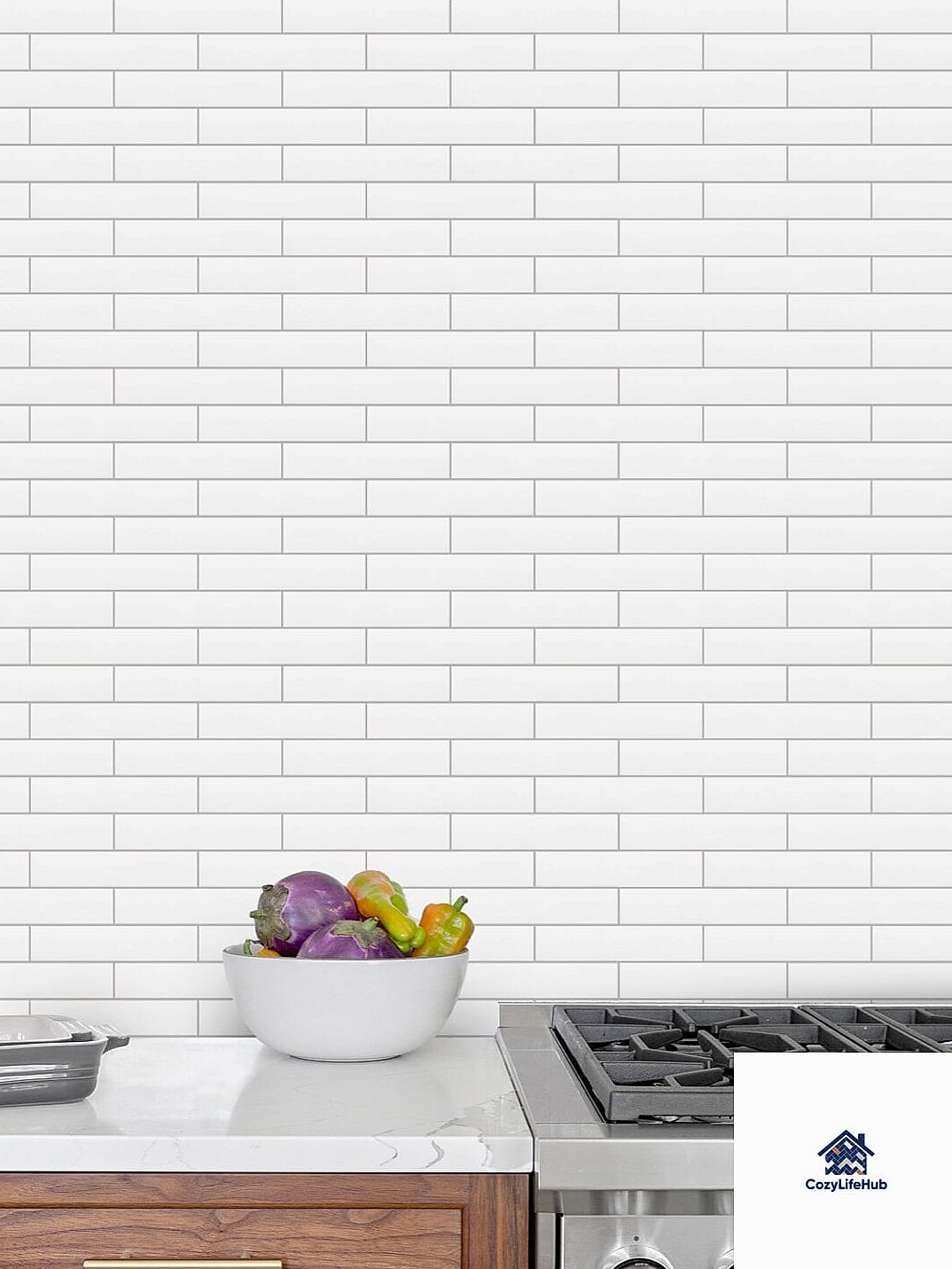
Standard subway tile is typically 3×6 inches, but larger formats like 4×12 or even 4×16 have become a favorite among homeowners who want fewer grout lines and a more streamlined look. Fewer seams mean less grout to clean, which is a real practical perk.
This size works especially well in modern or minimalist kitchens where the goal is clean, uninterrupted surfaces. It also pairs nicely with quartz countertops and simple, unfussy cabinet hardware.
Because the tiles are bigger, installation requires a flatter wall surface to avoid lippage, so this might be one to leave to a professional installer if your walls aren’t perfectly even.
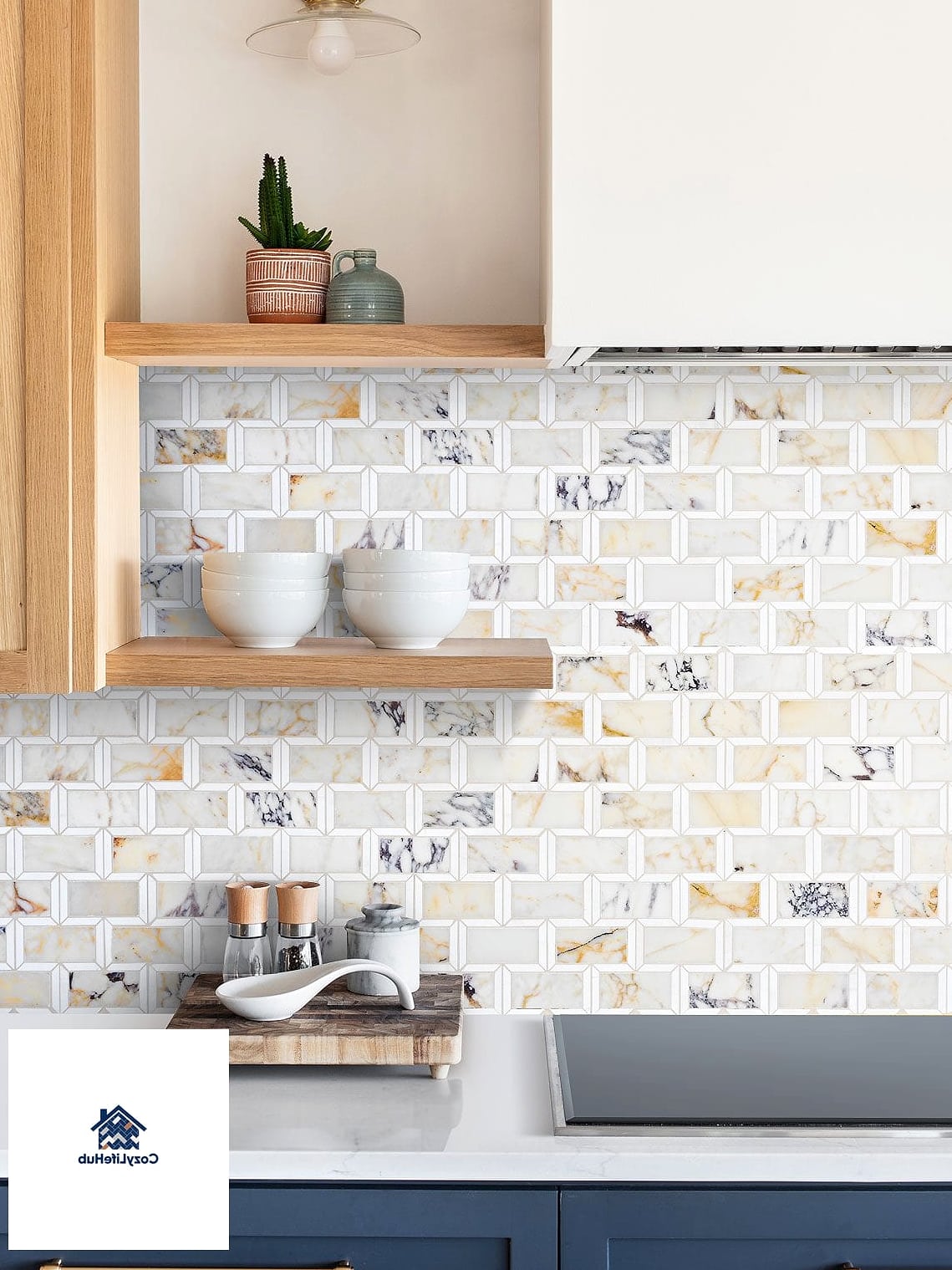
Neutral Subway Tile with Warm Wood Shelving
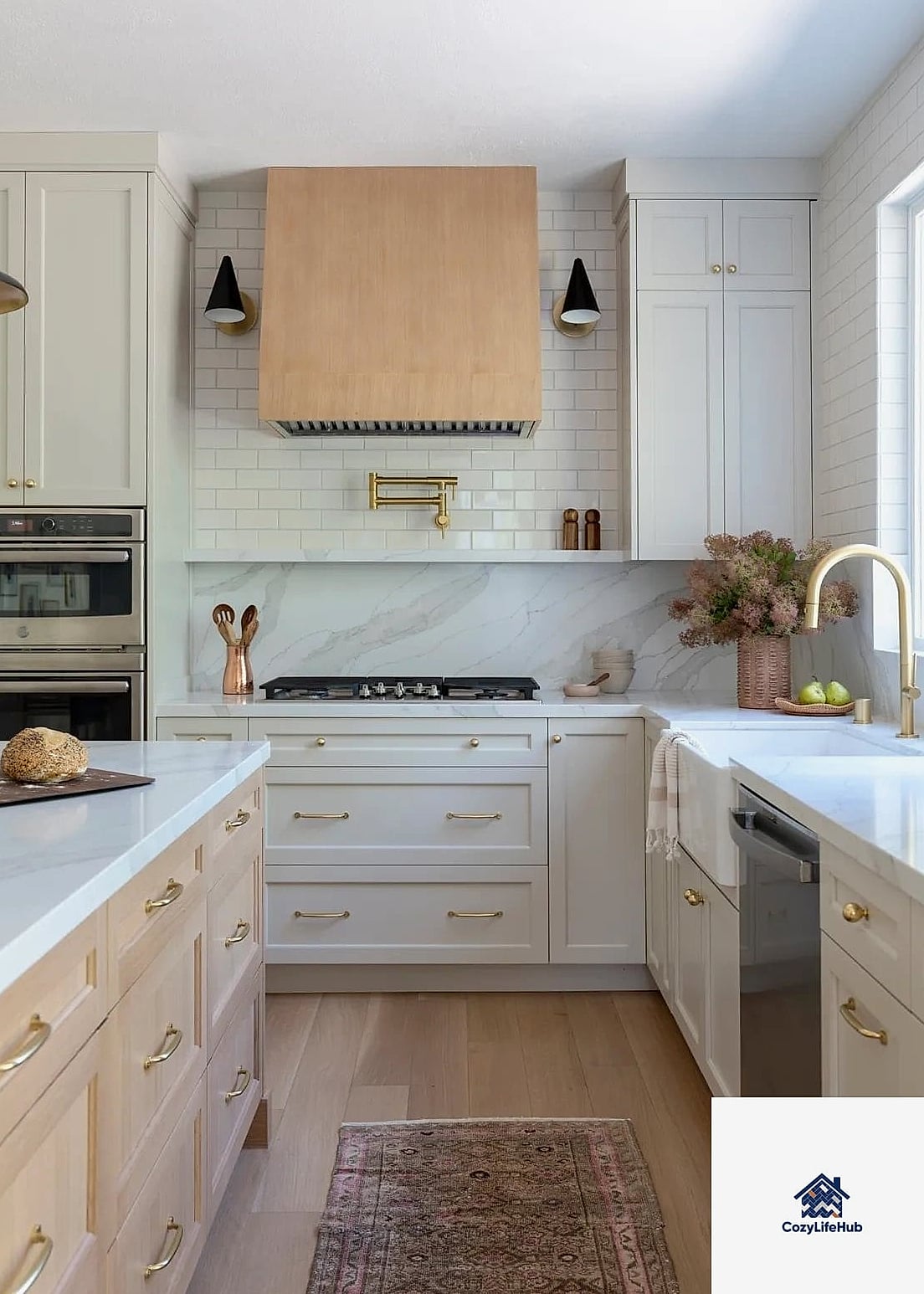
Pairing a simple white or cream subway backsplash with open wood shelving has become a signature look for warm, minimalist kitchens. The tile keeps things clean and bright, while the wood softens the space and adds natural texture.
This combination works well in kitchens that get good natural light, since the wood tones really come alive against a light backdrop. It’s also a practical pairing for anyone who wants storage that doubles as display space for everyday dishes.
If you’re renting or not ready to commit to full-wall shelving, even a single floating shelf against subway tile gives you a similar effect on a smaller scale.
Peel-and-Stick Subway Tile for Renters
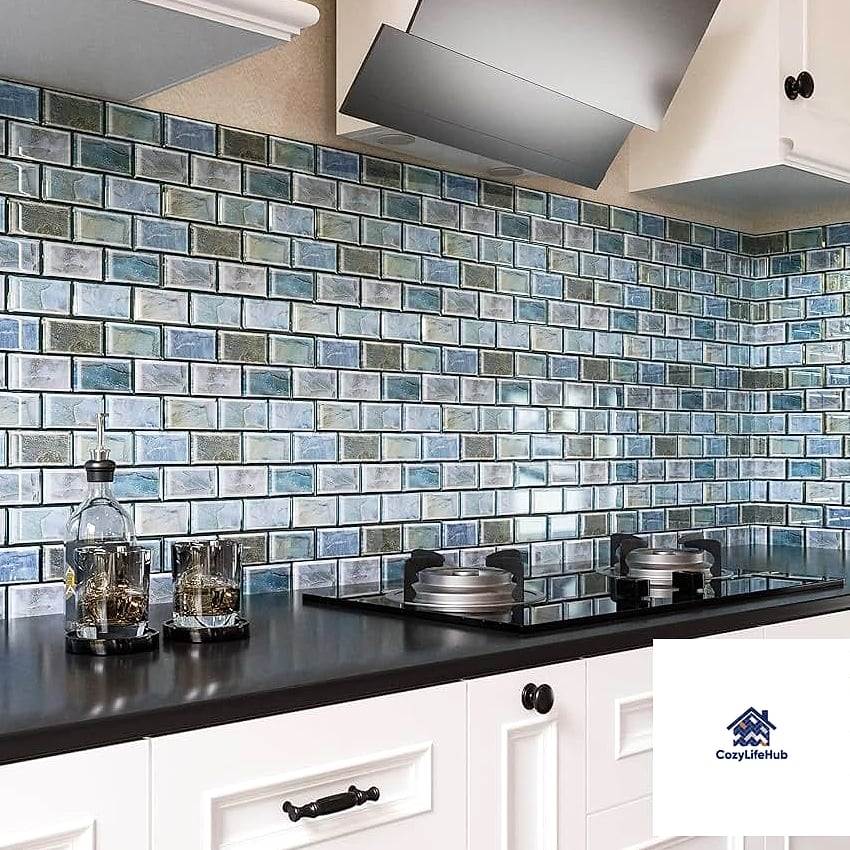
Not everyone can tile a backsplash, and that’s exactly why peel-and-stick subway tile has taken off among renters and budget-conscious DIYers. The look mimics real ceramic tile closely enough that most people won’t clock the difference from a few feet away.
This is a great renter-friendly option since it typically removes without damaging the wall underneath, assuming you follow the manufacturer’s application and removal instructions. It’s also one of the most beginner-friendly projects on this list, often taking just an afternoon.
Keep in mind peel-and-stick tile isn’t quite as heat or moisture resistant as real ceramic, so it’s best kept away from direct stove contact. For a temporary refresh, though, it’s hard to beat the price and ease.
Subway tile earns its reputation honestly. It’s flexible enough to fit a farmhouse kitchen, a moody modern space, or a bright rental refresh, and it never seems to fully go out of style, just in and out of different color palettes and layouts. Whether you’re drawn to a classic white-and-black combo or something a little more unexpected like vertical tile or a zellige finish, there’s a version of this trend that fits your space, your budget, and how much time you want to spend installing it.