16 Modern Bathroom Ideas to Inspire Your Next Renovation
- Floating Vanities for a Lighter Feel
- Large Format Tile in Neutral Tones
- Walk-In Showers Without a Curb
- Matte Black Fixtures
- Freestanding Soaking Tubs
- Warm Wood Vanities
- Pebble or Terrazzo Accent Flooring
- Statement Mirrors
- Wet Rooms for Small Spaces
- Two-Tone Tile Walls
- Brass and Gold Hardware Accents
- Niche Shelving Built Into the Shower
- Frameless Glass Shower Enclosures
- Colorful Vanity Cabinets
- Layered Lighting Beyond the Vanity Light
- Natural Stone and Stone-Look Surfaces
Architected listicle structure with sixteen distinct bathroom renovation concepts
16 Modern Bathroom Ideas to Inspire Your Next Renovation
If you’ve been scrolling through renovation photos wondering how to bring your bathroom into this decade, you’re in the right place. Modern bathroom design has moved past the all-white, all-the-time look and into something warmer, more textured, and honestly a lot more livable. Below are 16 ideas that show up again and again in the renovations people actually love living with — from full room concepts to smaller details that make a bigger impact than you’d expect.
Floating Vanities for a Lighter Feel
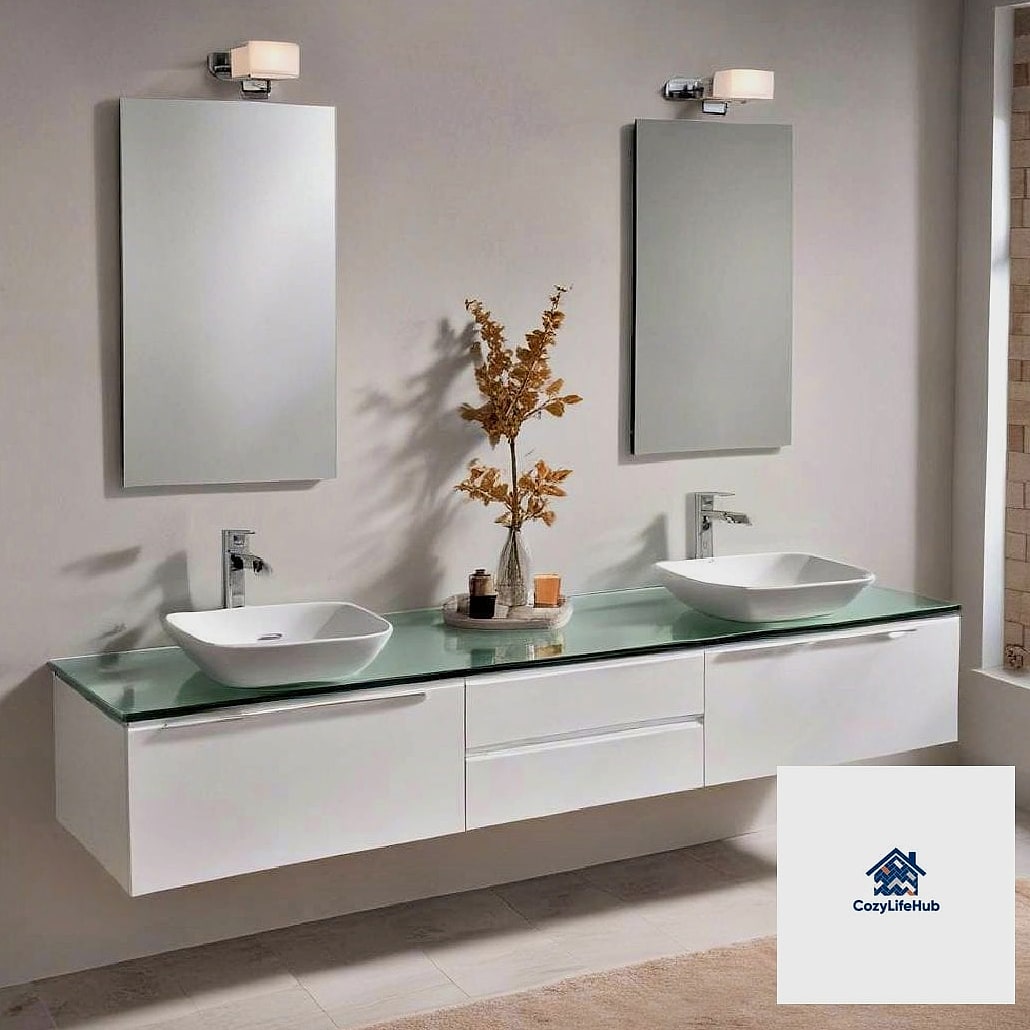
A wall-mounted vanity does something small bathrooms desperately need: it opens up the floor. Because the cabinet doesn’t touch the ground, the whole room reads as more spacious, and cleaning underneath is suddenly a two-minute job instead of a chore you avoid.
These work especially well in powder rooms and secondary bathrooms where square footage is tight. Pair one with a matte black or brushed brass faucet and you’ve got a look that feels current without trying too hard. Just make sure your contractor reinforces the wall studs properly, since these need solid backing to hold weight over time.
Large Format Tile in Neutral Tones
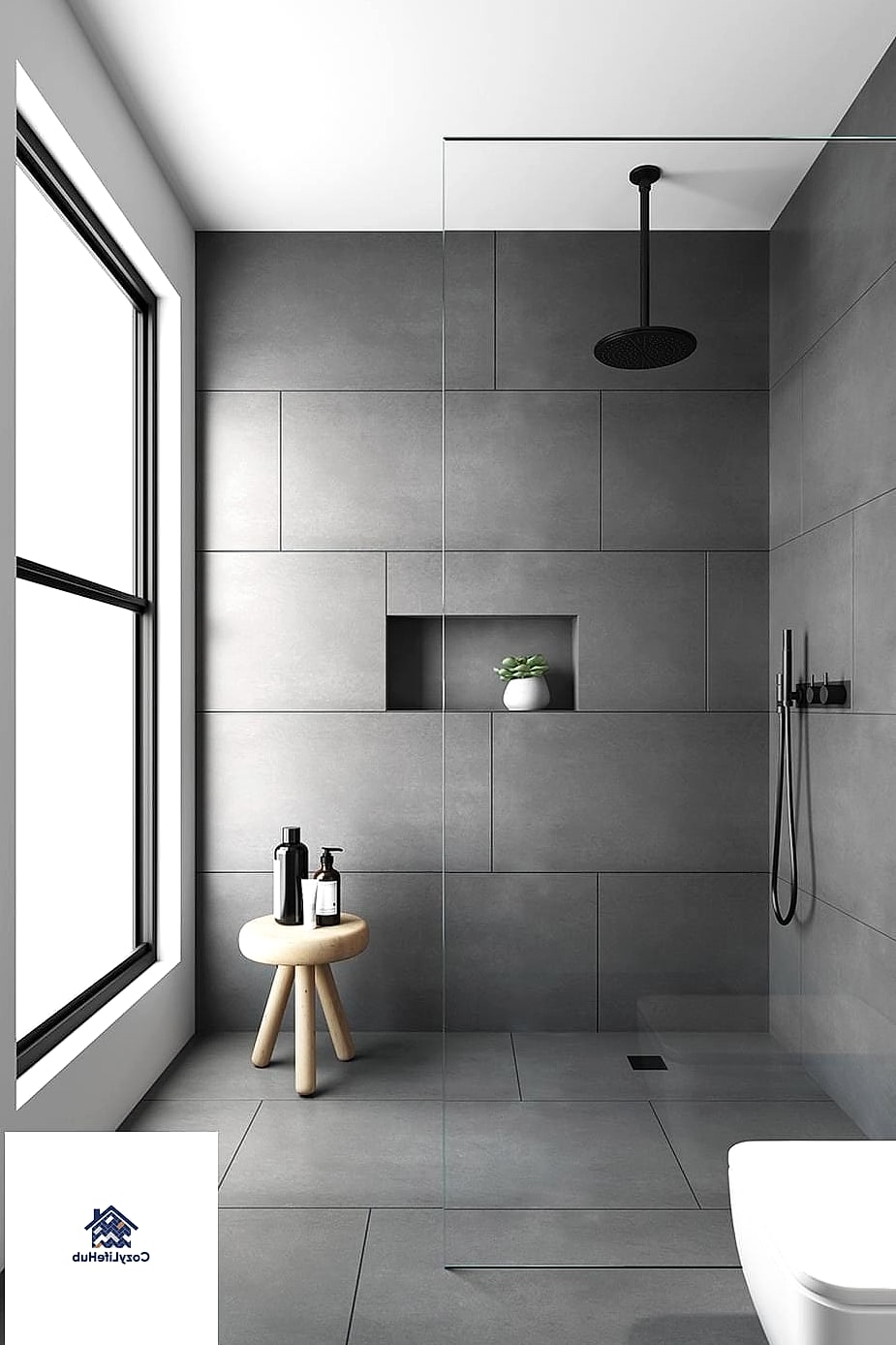
Big tile, fewer grout lines — that’s the appeal here. Large format porcelain tile in soft greige, warm white, or light taupe gives showers and floors a calmer, more continuous look compared to smaller mosaic pieces.
It’s also genuinely easier to keep clean since there’s less grout to scrub. This is a favorite for anyone renovating with resale in mind, since neutral large format tile tends to appeal to a wide range of buyers while still looking intentional rather than boring.
Walk-In Showers Without a Curb
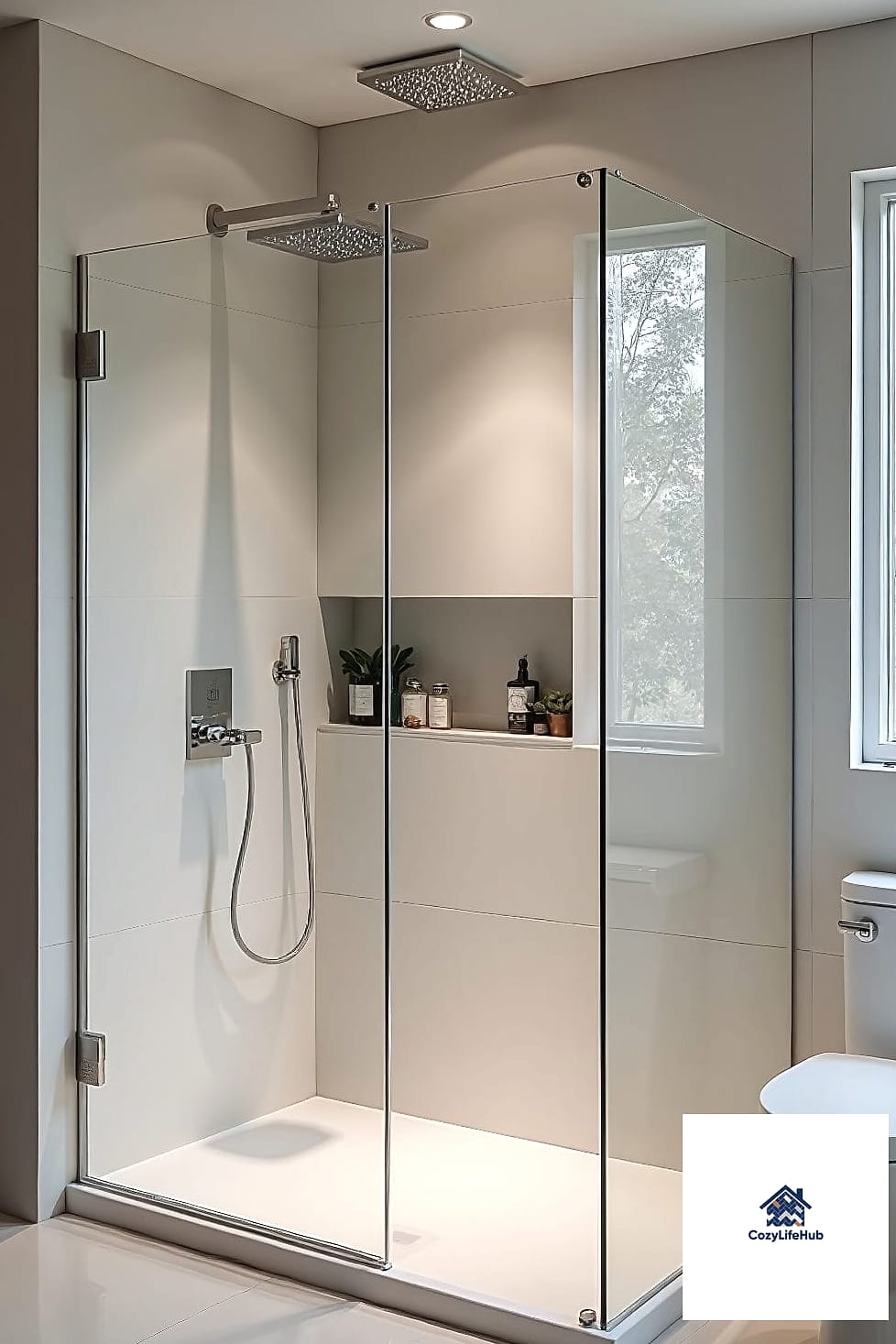
Curbless showers have become the go-to for a reason. Removing that little lip at the entry creates a seamless transition from bathroom floor to shower floor, which makes the whole space feel bigger and more open.
They’re also more practical long-term, especially if you’re thinking about aging in place or just want something easier to navigate with wet feet and an armful of towels. The tradeoff is that these require careful slope planning during construction, so this isn’t really a weekend DIY project — budget for a contractor who’s done curbless showers before.
Matte Black Fixtures
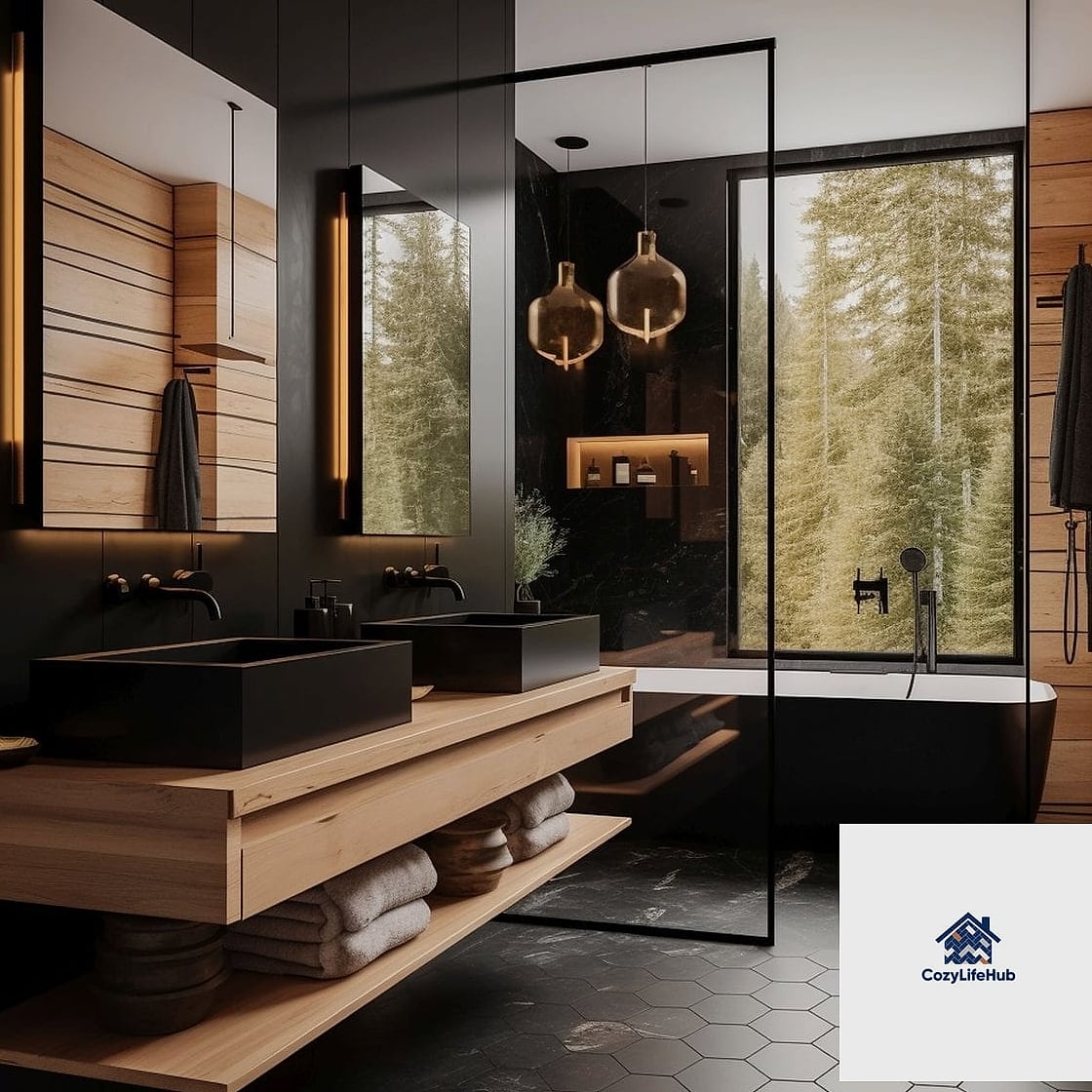
Matte black hardware had a moment a few years back and, unlike some trends, it’s stuck around because it just works. It adds contrast against white tile, pairs nicely with warm wood tones, and doesn’t show water spots the way chrome sometimes does.
Use it on faucets, shower heads, cabinet pulls, and even light fixtures for a cohesive look. If full commitment feels like a lot, start with just the faucet and hardware and see how it feels before going all in on lighting too.
Freestanding Soaking Tubs
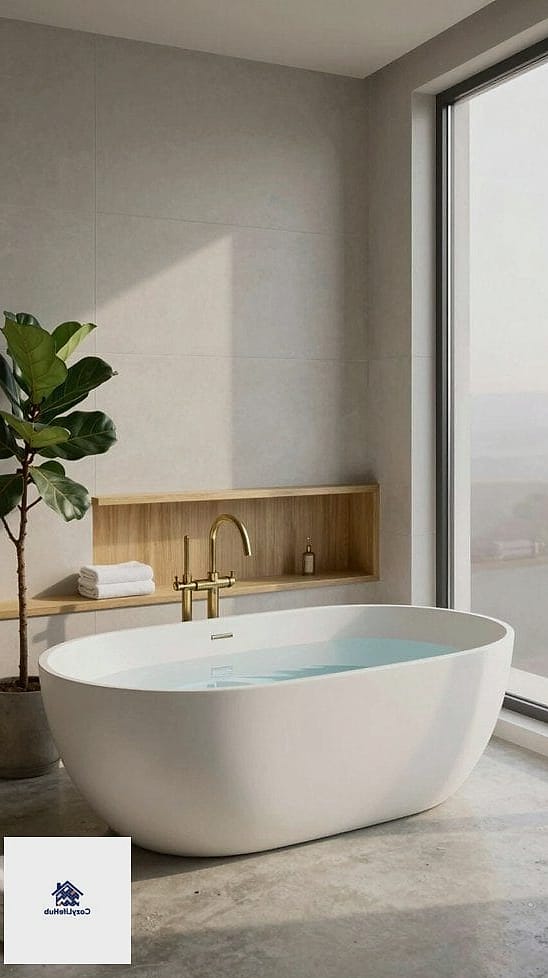
There’s something about a freestanding tub that instantly makes a bathroom feel like a retreat rather than just a functional space. Oval and slipper-style tubs are especially popular right now, often paired with a floor-mounted tub filler for a cleaner look.
These work best in primary bathrooms with enough square footage to let the tub breathe — cramming one into a tight corner tends to look more awkward than luxurious. If space is limited, a tub that’s a bit more compact but still freestanding can give you the same visual effect without eating up the whole room.
Warm Wood Vanities
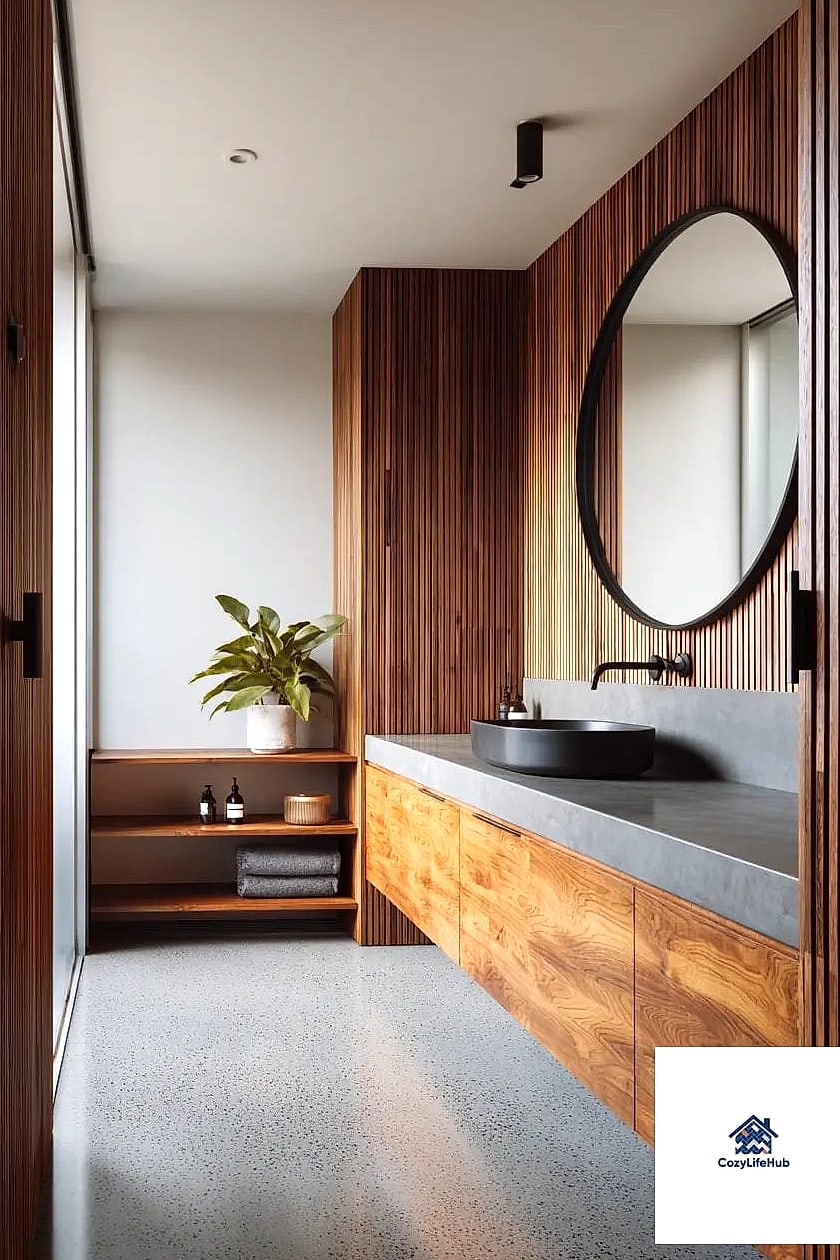
White cabinetry isn’t going anywhere, but warm wood tones have been creeping back into bathroom design in a big way. Think white oak, walnut, or a light natural wood finish rather than the honey-toned cabinets from a decade ago.
Wood softens a room that’s otherwise full of hard, cold surfaces like tile and stone. It also pairs beautifully with black or brass fixtures and green accents, making it a flexible choice whether your style leans more organic modern or slightly more traditional.
Pebble or Terrazzo Accent Flooring
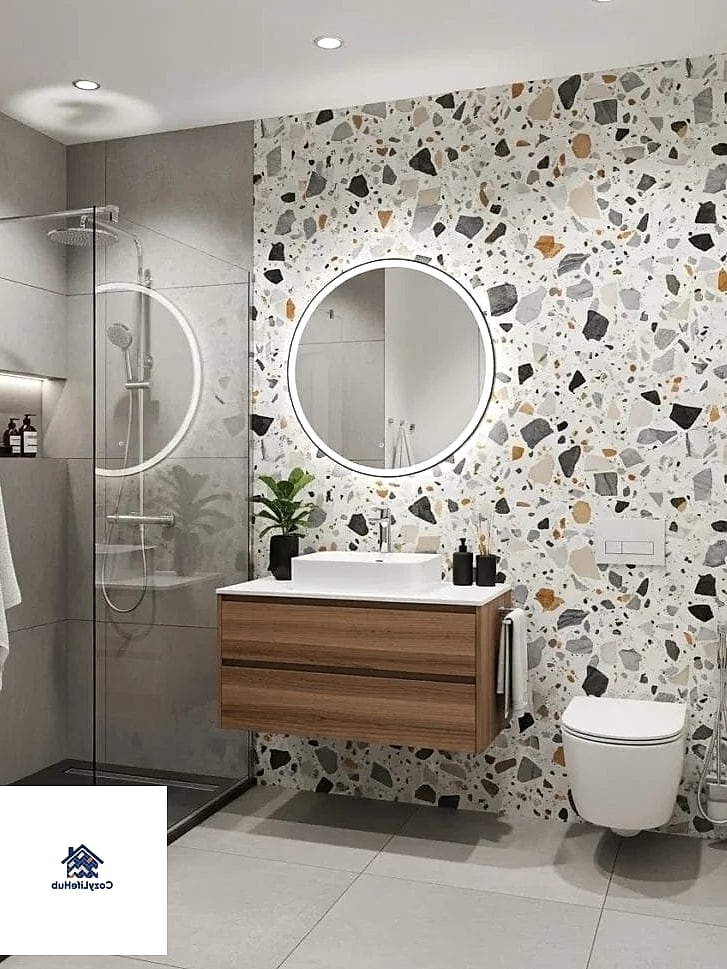
Terrazzo is having a genuine resurgence, and it’s easy to see why — those flecked, speckled patterns add personality without competing with the rest of the room. It works particularly well in a smaller powder room where you want one standout element.
Pebble tile, while a bit more textured underfoot, adds a spa-like quality to a shower floor. Just know it needs slightly more attention when it comes to grout sealing, since there’s more surface area between all those little stones.
Statement Mirrors
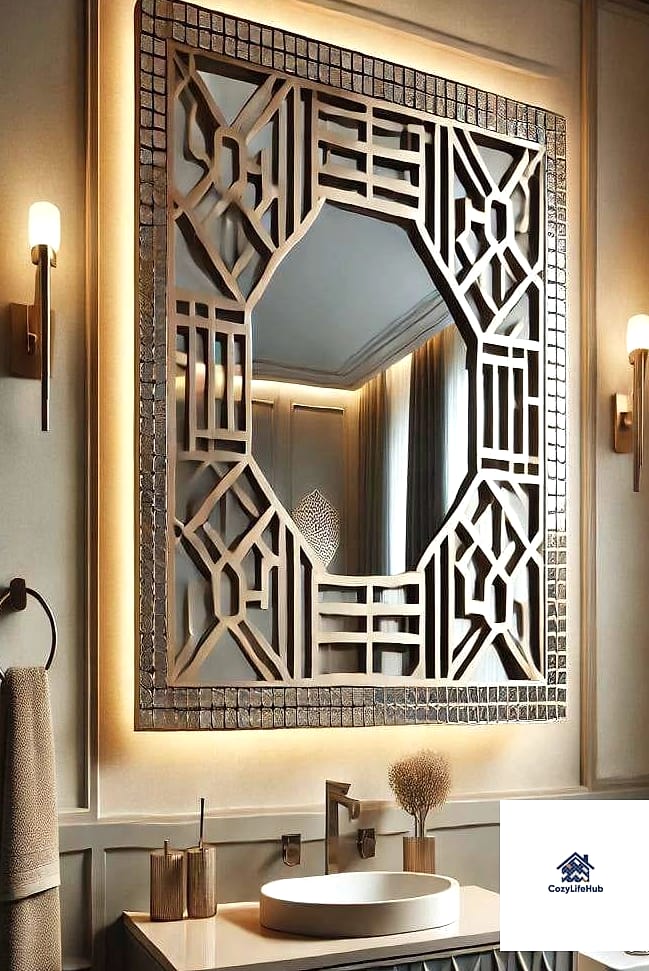
Skip the builder-grade rectangular mirror and go for something with real shape and presence — arched, asymmetrical, or an oversized round mirror can single-handedly upgrade a bathroom’s whole vibe. It’s one of the easiest updates if you’re not doing a full renovation but still want the space to feel refreshed.
Brass or black metal frames are especially popular right now, and they echo whatever finish you’ve chosen for your fixtures. This is a great budget-friendly swap since a new mirror costs a fraction of what tile or plumbing changes do.
Wet Rooms for Small Spaces
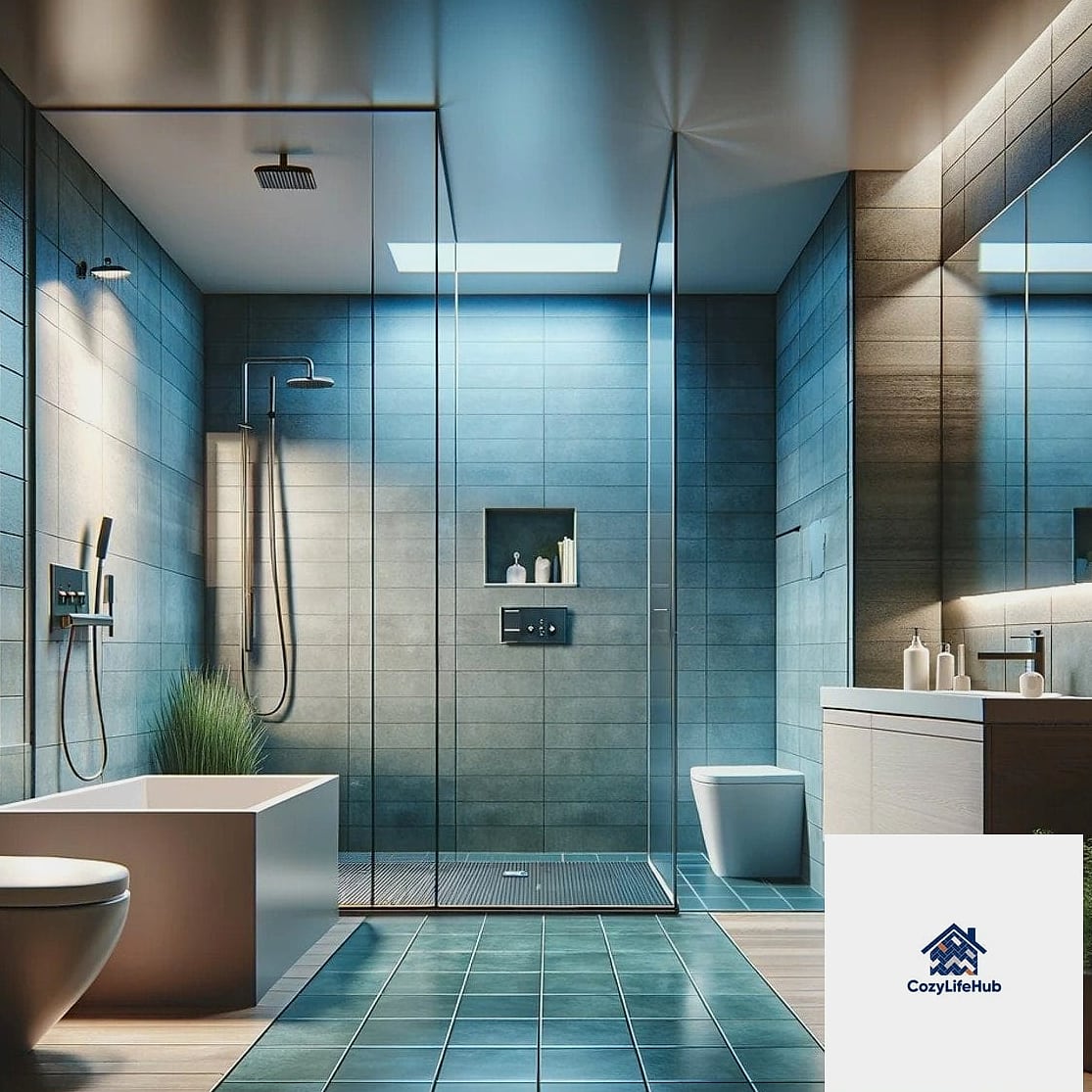
A wet room design — where the shower isn’t enclosed and the whole bathroom floor is waterproofed — has become a smart solution for smaller footprints. Instead of a shower stall eating up a chunk of the room, the entire space functions as one open area.
This layout works particularly well in guest bathrooms or compact primary baths where every square foot counts. It does require proper waterproofing membrane and floor drains done correctly, so this is squarely a job for an experienced contractor rather than a DIY weekend.
Two-Tone Tile Walls
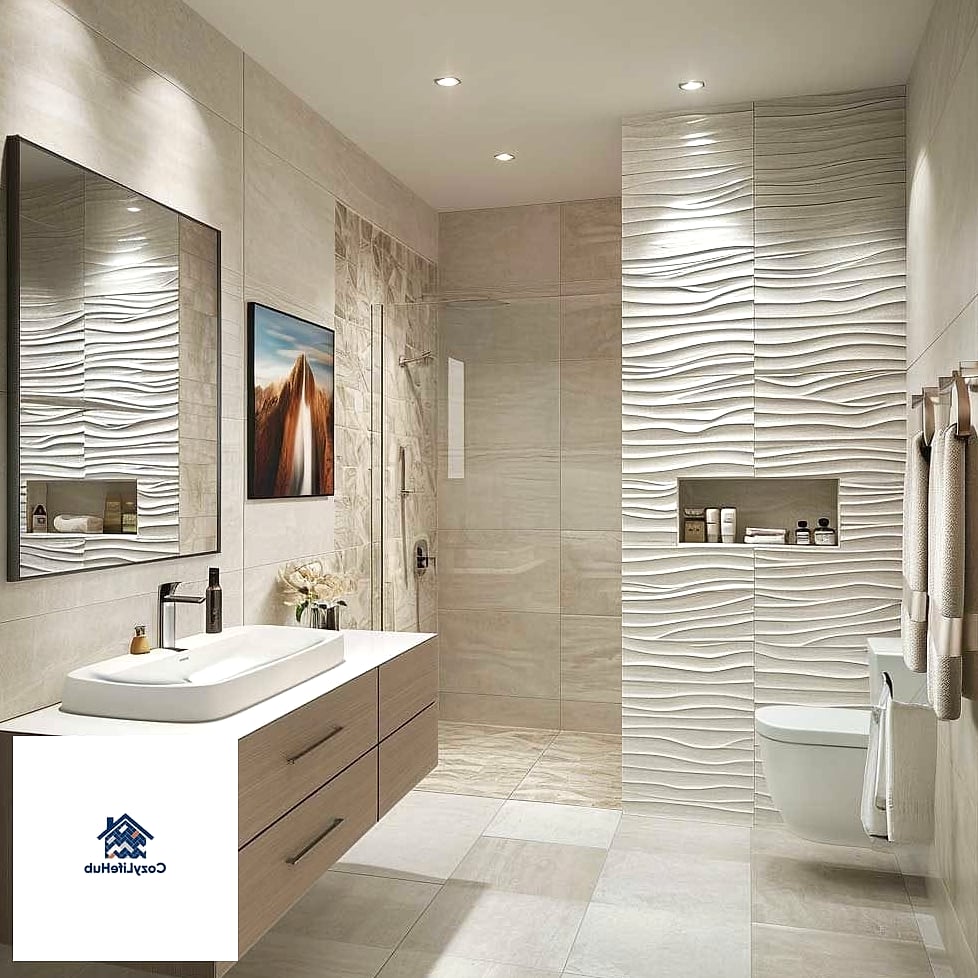
Instead of tiling a shower wall in one material top to bottom, two-tone tile breaks it up — often with a different color, texture, or pattern on the lower half versus the upper half. It adds visual interest without overwhelming the whole room in pattern.
A common approach is a textured or patterned tile lower on the wall, transitioning to a simple large format tile above a trim line. This gives you the fun factor of a statement tile without the commitment (or cost) of covering an entire shower in it.
Brass and Gold Hardware Accents
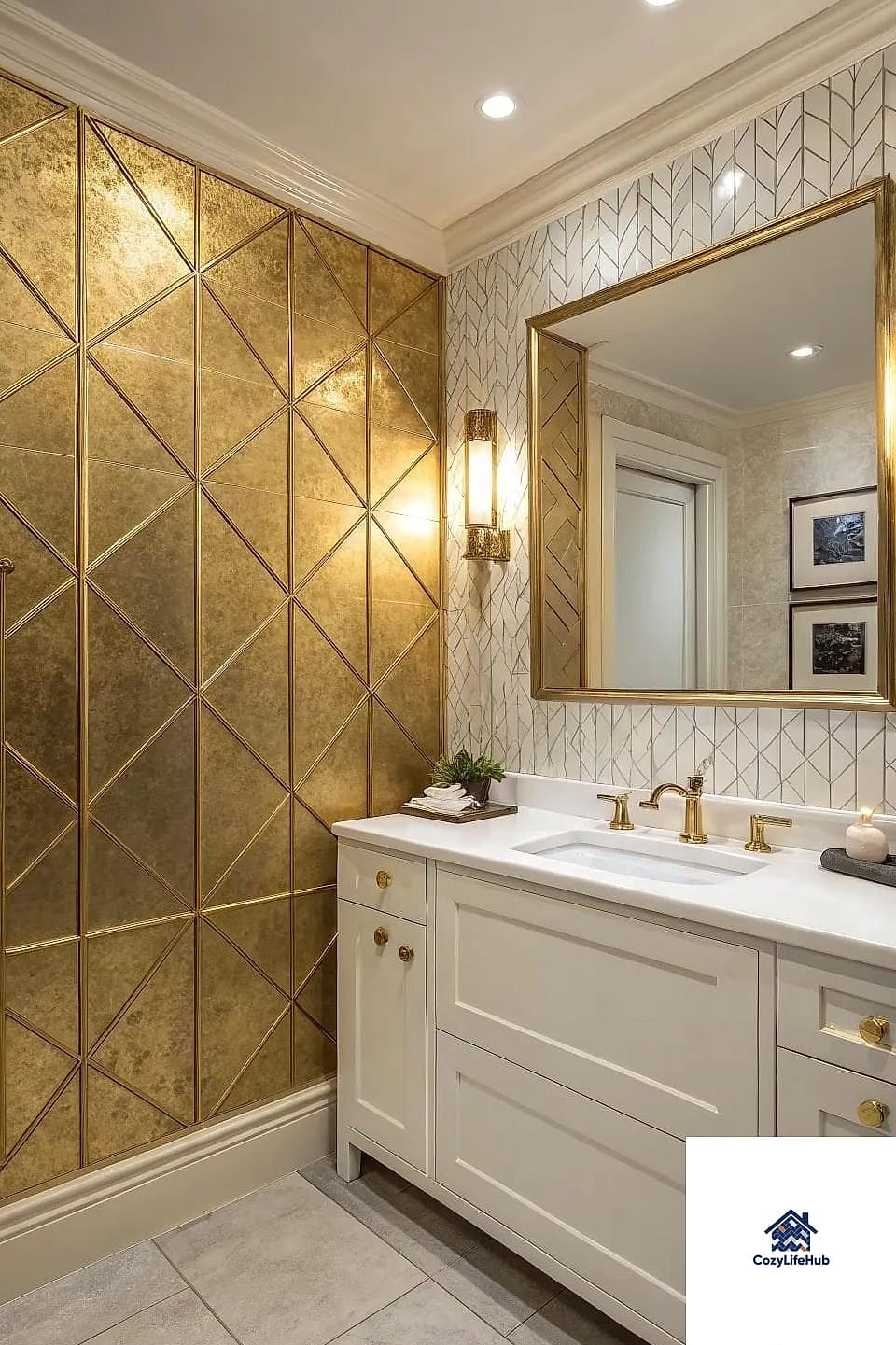
If matte black feels too heavy for your space, warm brass and soft gold tones offer a lighter alternative that still feels current. Unlacquered brass in particular has become popular because it develops a natural living patina over time, which some homeowners genuinely love for the character it adds.
This finish pairs beautifully with white marble, cream tile, and warm wood vanities. Keep in mind that lacquered brass stays shiny and requires less maintenance, while unlacquered will change color as it ages — so pick based on how much you want that finish to evolve.
Niche Shelving Built Into the Shower
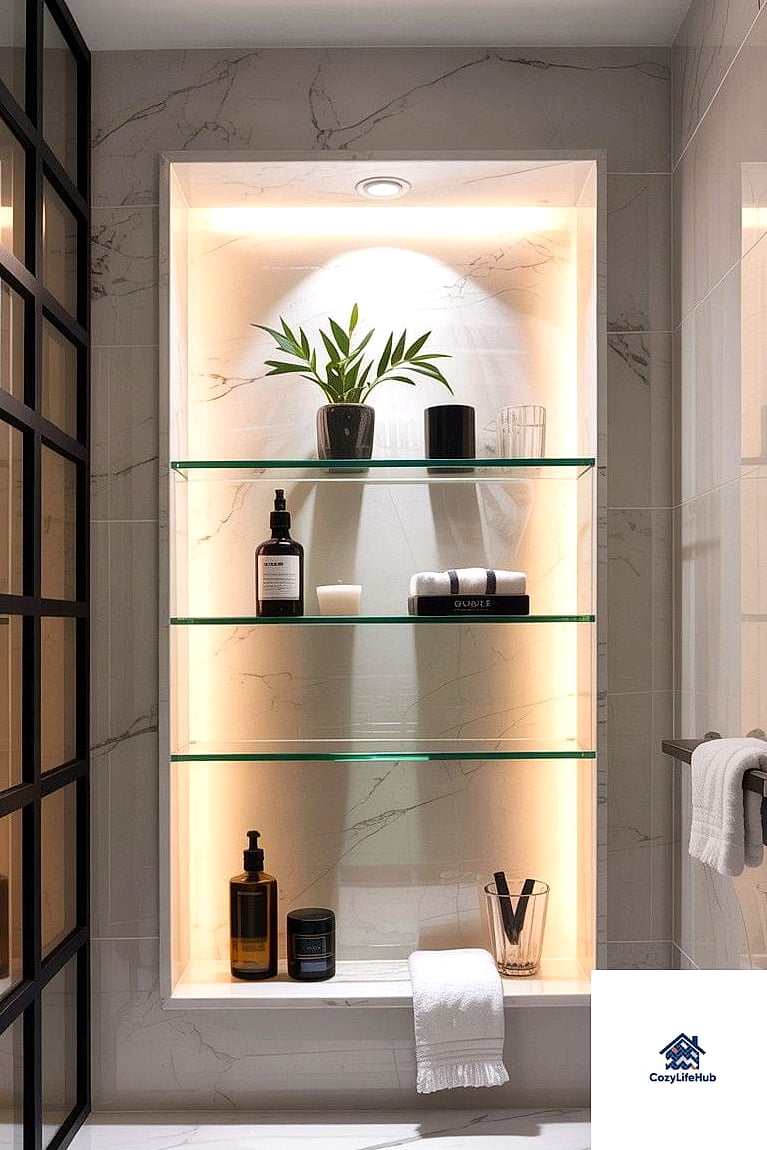
Built-in shower niches have mostly replaced the wire caddy hanging off the shower head, and for good reason. They look intentional, keep bottles organized, and eliminate rust spots and clutter.
Multiple small niches stacked vertically or one long horizontal niche both work well depending on your shower layout. This is worth planning early in the renovation process since it needs to be framed and waterproofed before tile goes up — it’s not something you can easily add after the fact.
Frameless Glass Shower Enclosures
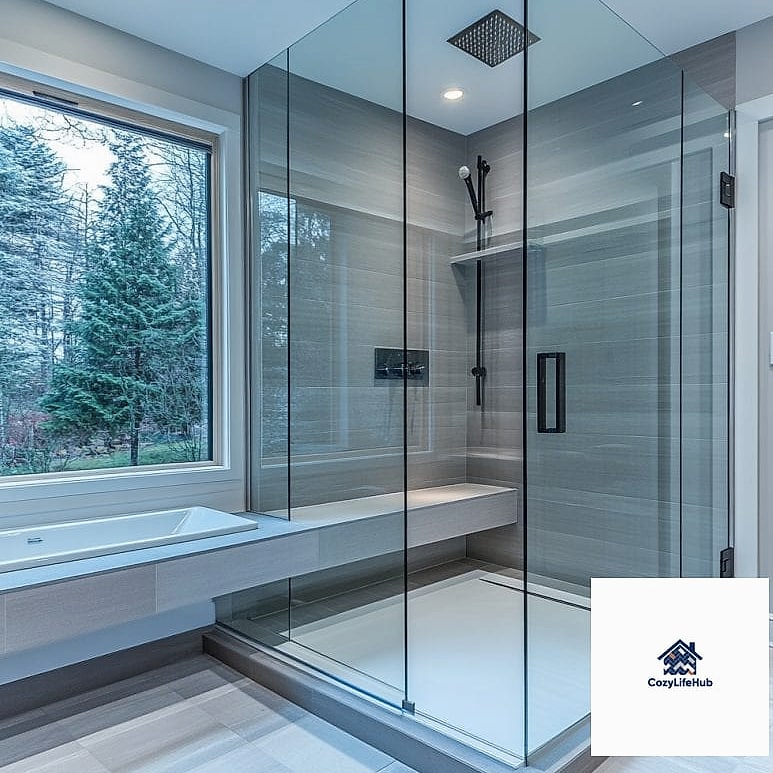
Frameless glass doors give a shower a cleaner, more open look compared to framed enclosures with visible metal edges. Because there’s no bulky frame breaking up the sightline, the shower and the tile inside it become part of the overall room design rather than a separate boxed-in space.
These do require more frequent squeegeeing to prevent water spots and soap scum buildup, since there’s no frame to hide minor imperfections. A daily squeegee habit (or a quick spray of a glass cleaner formulated for showers) keeps them looking sharp.
Colorful Vanity Cabinets
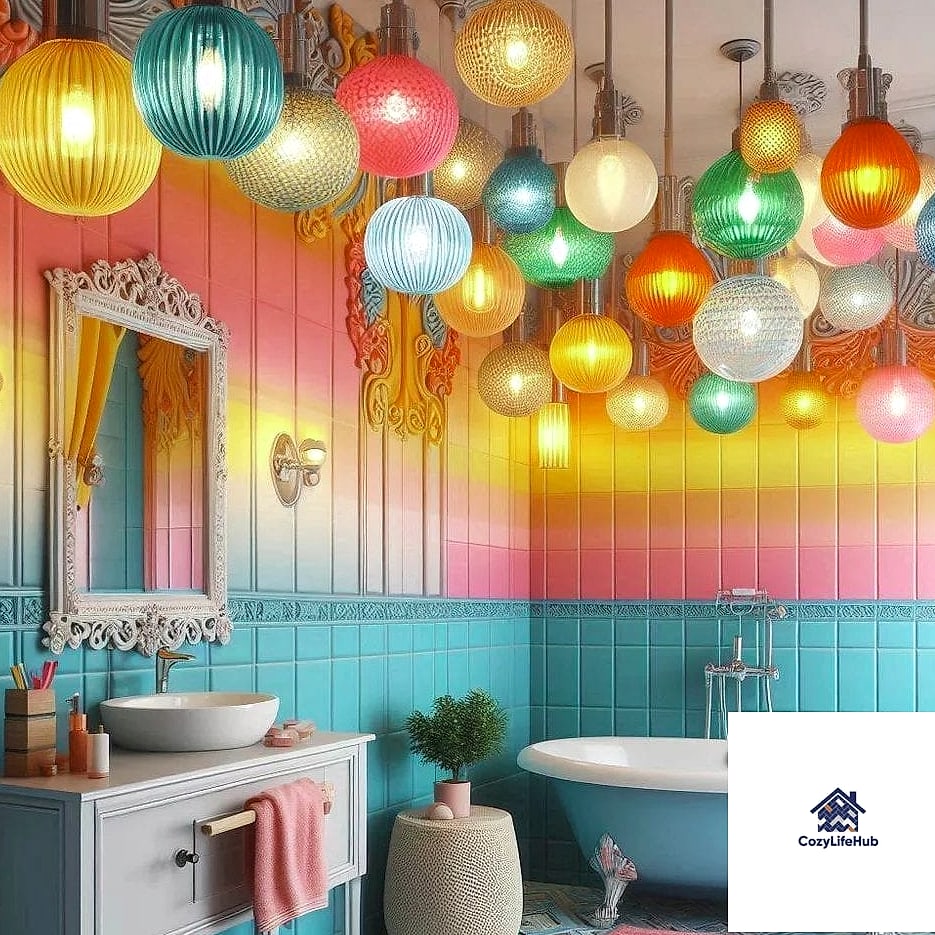
White and wood aren’t the only options anymore — deep green, navy, and even terracotta vanity cabinets have been showing up in a lot of recent renovations. It’s a way to add personality to a room that’s often dominated by white tile and neutral surfaces.
This works particularly well in powder rooms, where you’re not committing to the color across an entire large space. Pair a colorful vanity with simple white countertops and brass or black hardware so the cabinet color stays the star of the show.
Layered Lighting Beyond the Vanity Light
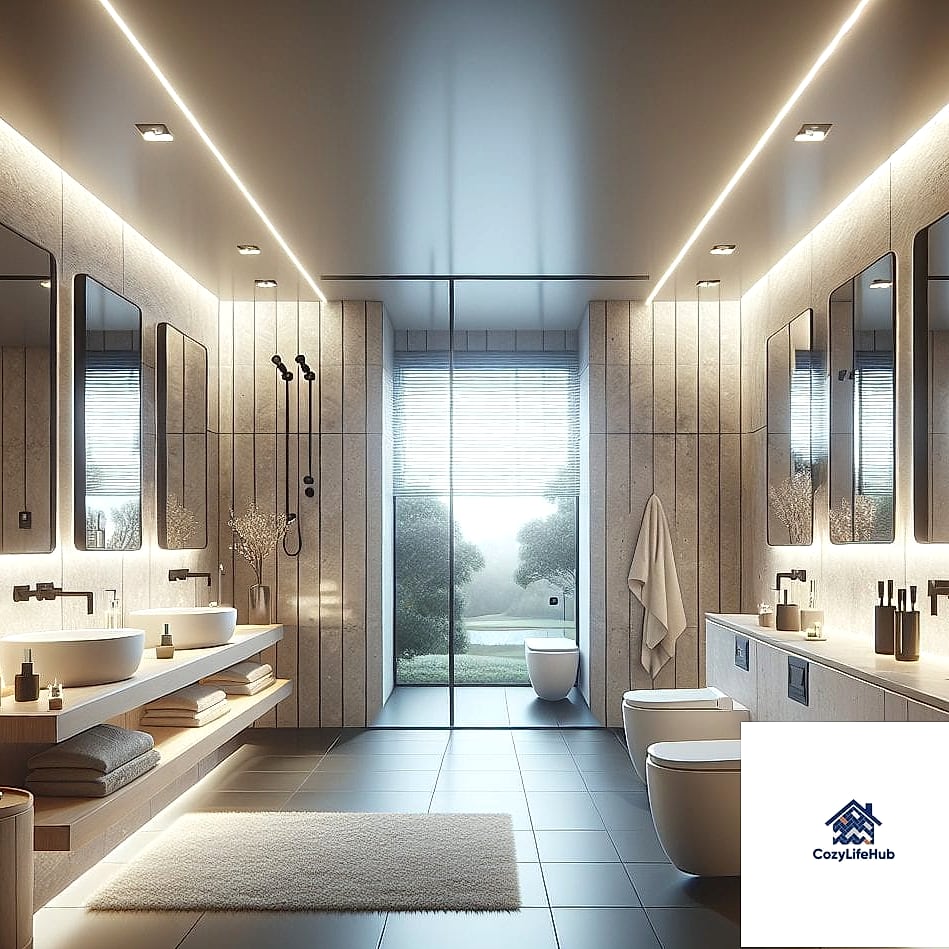
Modern bathrooms are moving past a single strip light over the mirror. Adding sconces on either side of the mirror, a statement pendant, and even recessed lighting in the shower creates layers that make the whole space feel more finished and considerably easier to actually get ready in.
Dimmable options are worth the small extra cost, since a bright, functional light for grooming and a softer, warmer setting for an evening bath are genuinely different needs. This is also a relatively affordable update if you’re not ready for a full renovation yet.
Natural Stone and Stone-Look Surfaces
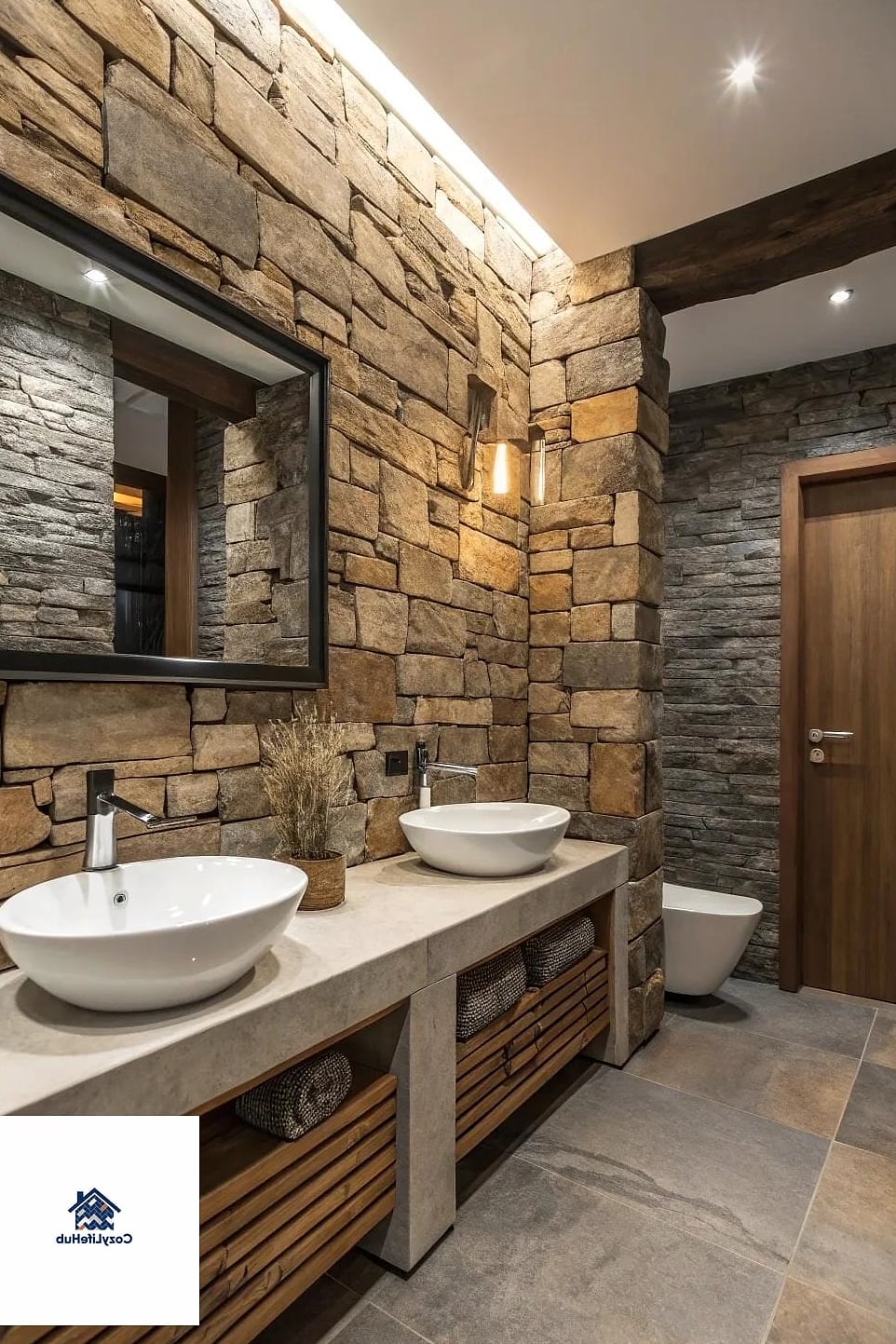
Whether it’s genuine marble, travertine, or a quartz that mimics natural stone veining, this material choice continues to define a lot of modern bathroom design. The soft veining adds movement and visual interest without introducing bold color or pattern.
Natural stone requires periodic sealing and a bit more care around acidic cleaners, so budget-conscious renovators often lean toward stone-look porcelain or quartz instead. Both routes give you that same organic, high-end look — the difference mostly comes down to maintenance and price point.
Putting even a handful of these ideas together can genuinely change how your bathroom feels day to day, whether you’re planning a full gut renovation or just updating a few key pieces at a time. Start with what fits your budget and layout, and build from there — a modern bathroom doesn’t have to happen all at once to feel intentional.