10 Modern Backsplash Ideas Worth Stealing From Interior Designers
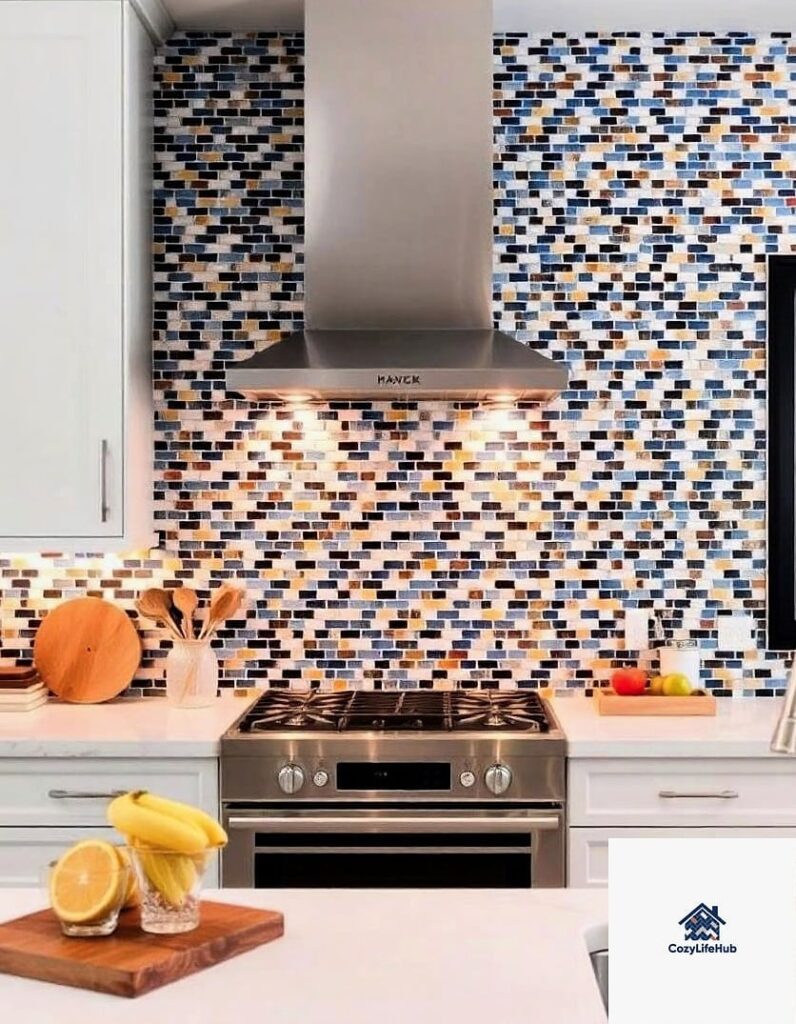
- Zellige Tile in Soft, Imperfect Tones
- Full-Height Slab Backsplash
- Herringbone Subway Tile
- Bold Colored Grout with Neutral Tile
- Mosaic Tile as an Accent Panel
- Fluted or Ribbed Tile Texture
- Stacked Stone for an Organic Look
- Checkerboard Tile in Two Tones
- Extended Backsplash Behind Open Shelving
- Warm Terracotta and Earthy Tile Tones
10 Modern Backsplash Ideas Worth Stealing From Interior Designers
Your backsplash works harder than almost any other surface in your kitchen. It fends off grease splatters, ties your countertops to your cabinets, and honestly, it’s often the first thing people notice when they walk in. So it makes sense that designers spend so much time obsessing over this one small strip of wall.
I’ve pulled together ten backsplash ideas that keep showing up in real kitchens designed by people who do this for a living. Some are budget-friendly weekend projects, others are splurges worth saving for. Either way, there’s something here for pretty much every kitchen style.
Zellige Tile in Soft, Imperfect Tones

Zellige tile has become the darling of designers who want texture without going overboard. These handmade Moroccan clay tiles have a slightly uneven surface and subtle color variation from tile to tile, which gives your backsplash a lived-in, artisanal quality that mass-produced ceramic just can’t fake.
It works beautifully in kitchens that lean traditional or modern organic, especially paired with brass hardware and warm wood tones. The color depth catches light differently throughout the day, which is part of the charm.
One thing to know going in: zellige requires a skilled installer because of its irregular shapes and thickness variations. It’s pricier than standard tile, but many homeowners treat it as the one splurge-worthy element in an otherwise simple kitchen.
Full-Height Slab Backsplash
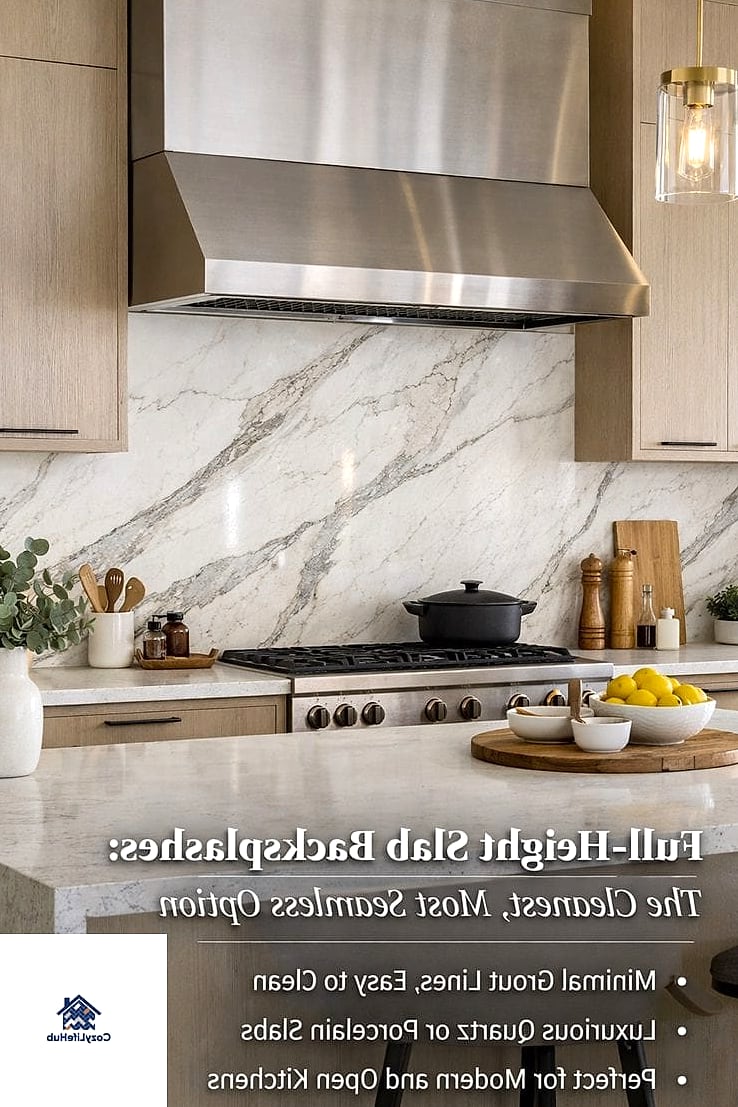
Instead of stopping the backsplash at the upper cabinets, more designers are running a single slab of quartz or marble all the way up to the ceiling. No grout lines, no seams, just one continuous surface that makes a kitchen feel sleek and expensive.
This look shines in modern and minimalist kitchens where you want the eye to travel uninterrupted. It also happens to be incredibly practical, since there’s no grout to scrub or stain.
The tradeoff is cost. A full slab installation isn’t cheap, and it requires precise measuring since you’re working with one large piece rather than small, forgiving tiles. If your budget allows for it, this is one of those upgrades that instantly makes a kitchen feel more custom without requiring a full renovation.
Herringbone Subway Tile
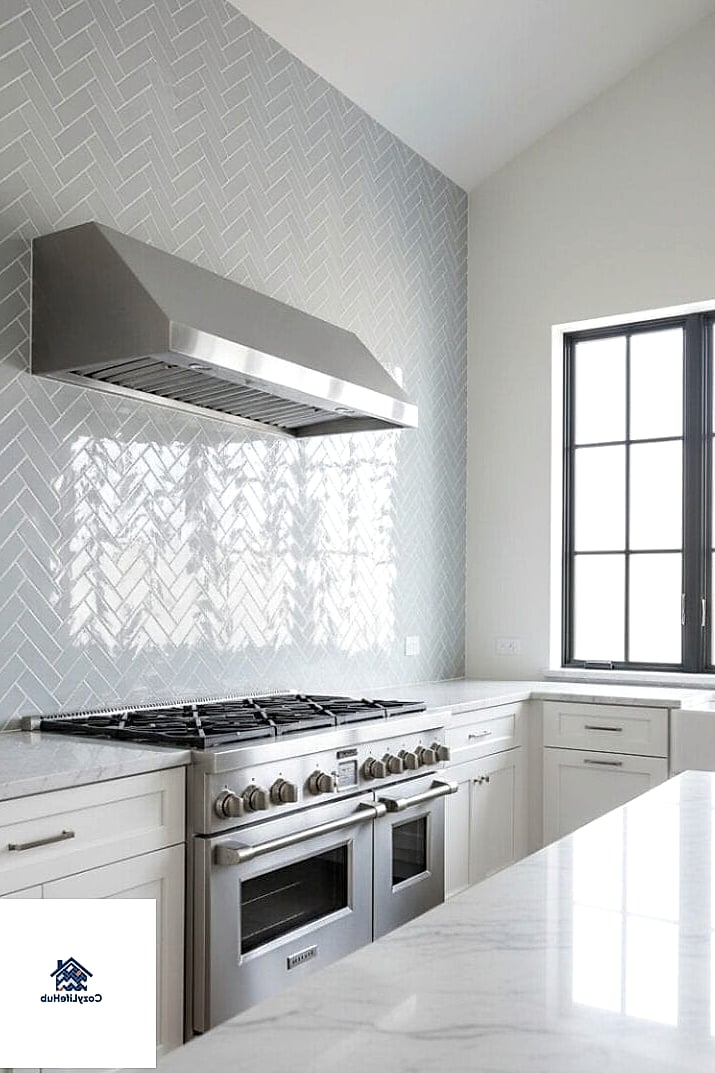
Subway tile isn’t going anywhere, but the way designers are laying it out has changed. Instead of the classic brick pattern, herringbone arranges rectangular tiles in a zigzag that adds movement and visual interest to an otherwise simple material.
It works especially well behind a stove as a focal point, even if the rest of your backsplash stays simple. Herringbone reads as more tailored and intentional than a standard layout, which is probably why it shows up so often in kitchen renovations meant to feel updated without straying too far from classic style.
This pattern does take a bit more skill to install than a straight layout, so factor in slightly higher labor costs if you’re hiring it out. DIYers with some tiling experience can pull it off with patience and a good tile spacer set.
Bold Colored Grout with Neutral Tile
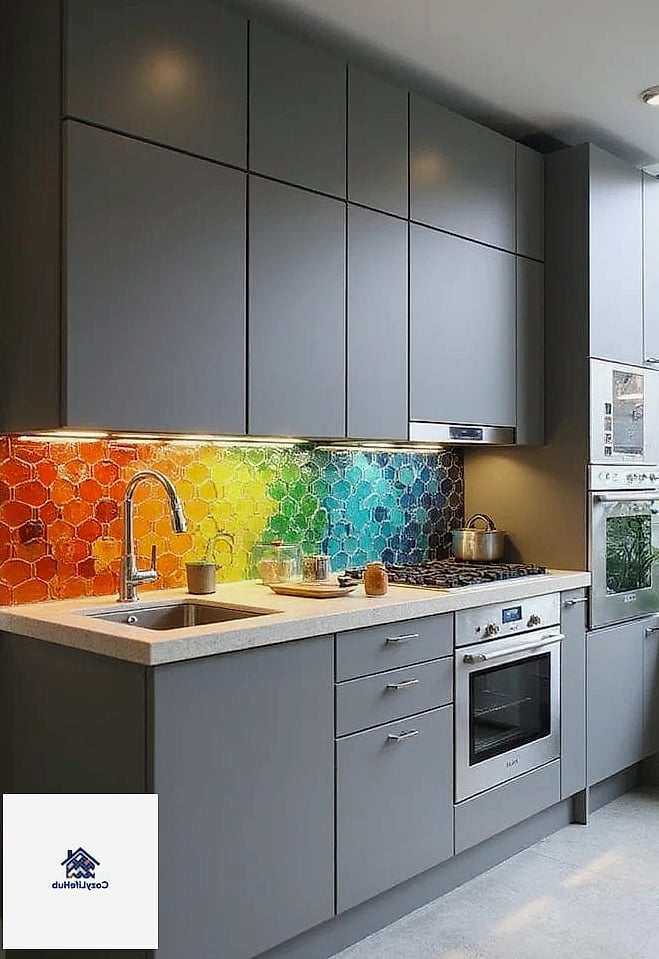
Here’s a trick designers love because it’s low-cost but high-impact: keep your tile simple and let the grout do the talking. A crisp white subway tile with charcoal or black grout suddenly looks graphic and modern instead of predictable.
This works in almost any kitchen style, from farmhouse to contemporary, and it’s one of the easiest ways to make a builder-grade tile choice feel more custom. It’s also forgiving when it comes to maintenance, since darker grout hides daily grime better than bright white grout does.
If you’re renovating on a budget, this is a great place to save money on materials while still getting a designer-approved look.
Mosaic Tile as an Accent Panel
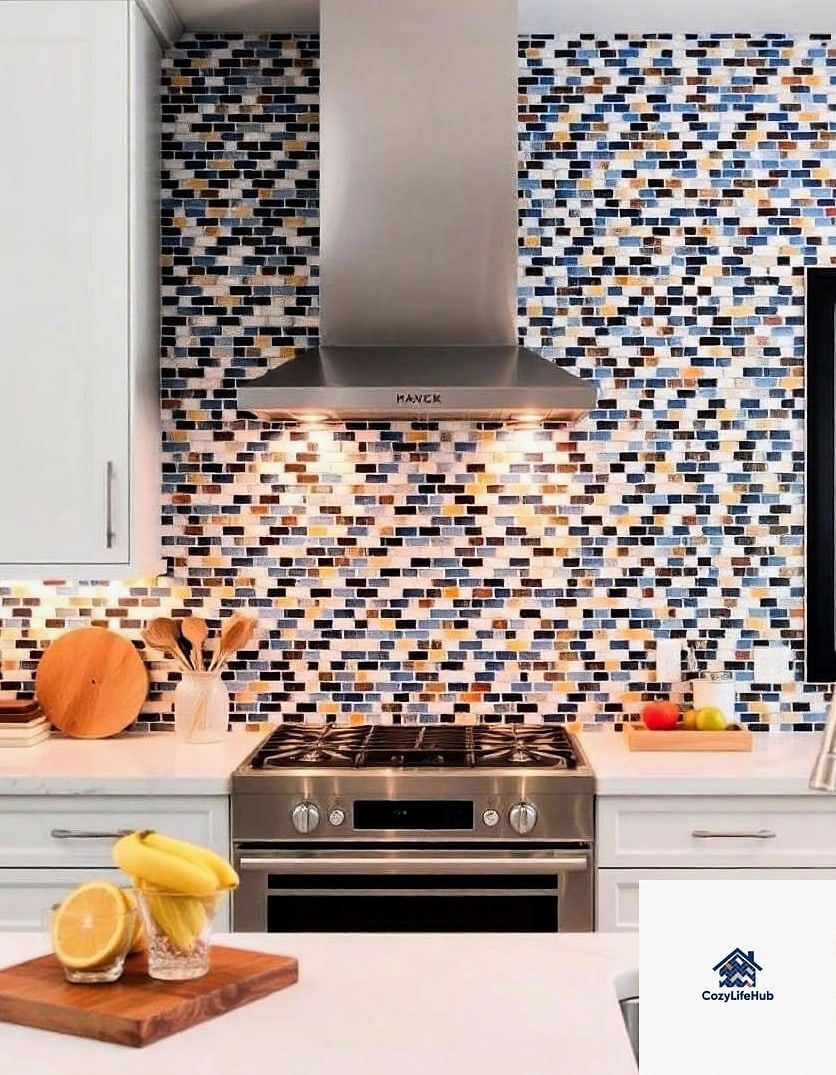
Rather than covering the entire wall in mosaic, designers are increasingly using it as a focal accent, usually behind the range or sink, while keeping the surrounding wall simpler. This gives you the color and texture payoff of mosaic tile without the higher cost and maintenance of installing it everywhere.
It’s a great option if you love pattern but worry about it feeling too busy at full scale. Glass, marble, and ceramic mosaics all work well here, and you can pick a palette that pulls from your countertops or cabinet hardware.
This approach is also renter-friendly in a sense, since some peel-and-stick mosaic options let you achieve a similar look temporarily without permanent installation.
Fluted or Ribbed Tile Texture
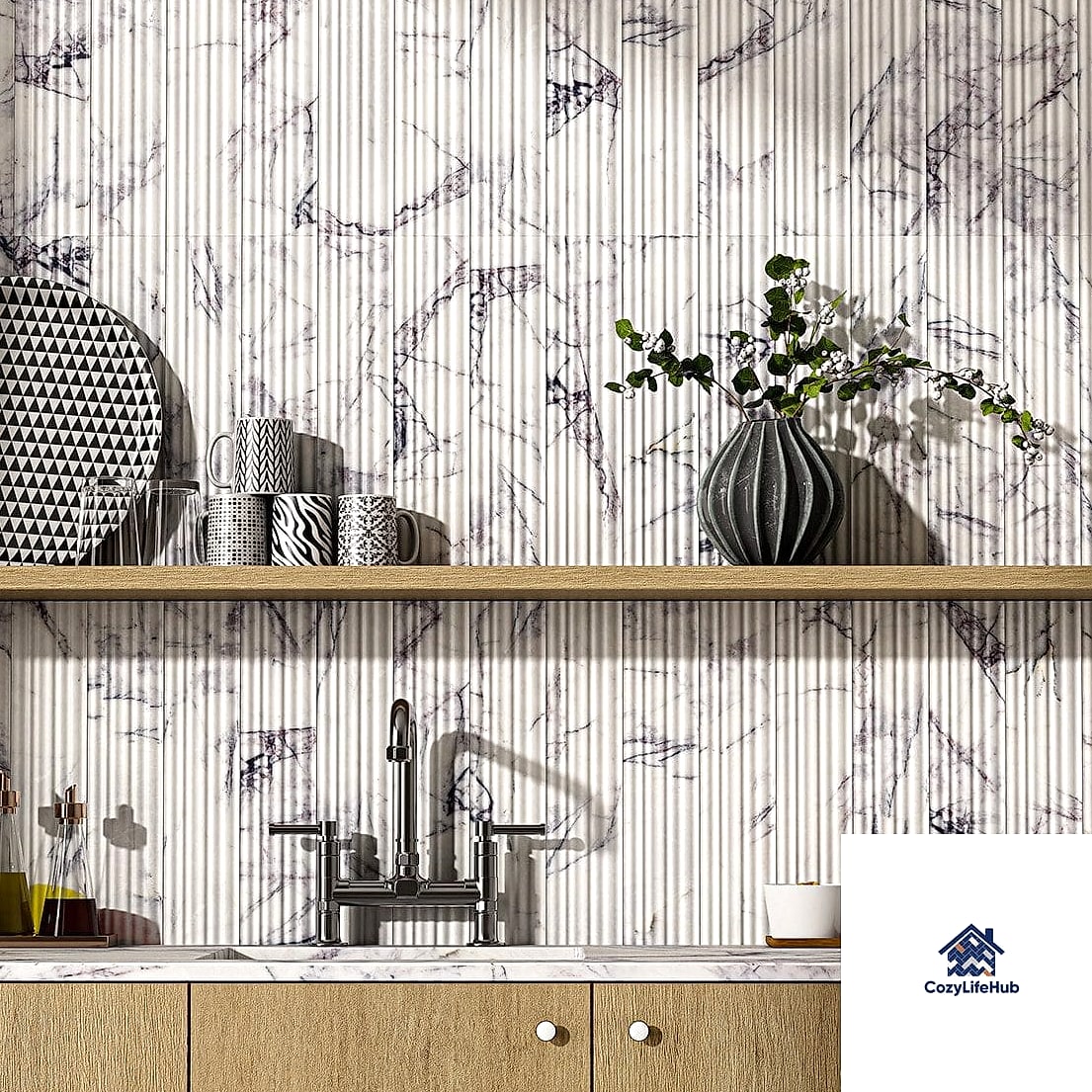
Textured tile with a fluted, ribbed surface has been popping up in kitchen after kitchen lately, and it’s easy to see why. The vertical grooves catch light and shadow in a way that flat tile simply can’t, adding dimension to a wall that might otherwise feel flat.
It pairs especially well with matte finishes, warm wood accents, and brushed brass or black fixtures. Designers often use it in kitchens going for a modern organic or Japandi feel, where texture does a lot of the visual work instead of pattern or color.
Cleaning requires a little more attention since grease can settle into the grooves, but a degreasing spray and a soft brush handle it easily during your regular kitchen cleanup.
Stacked Stone for an Organic Look
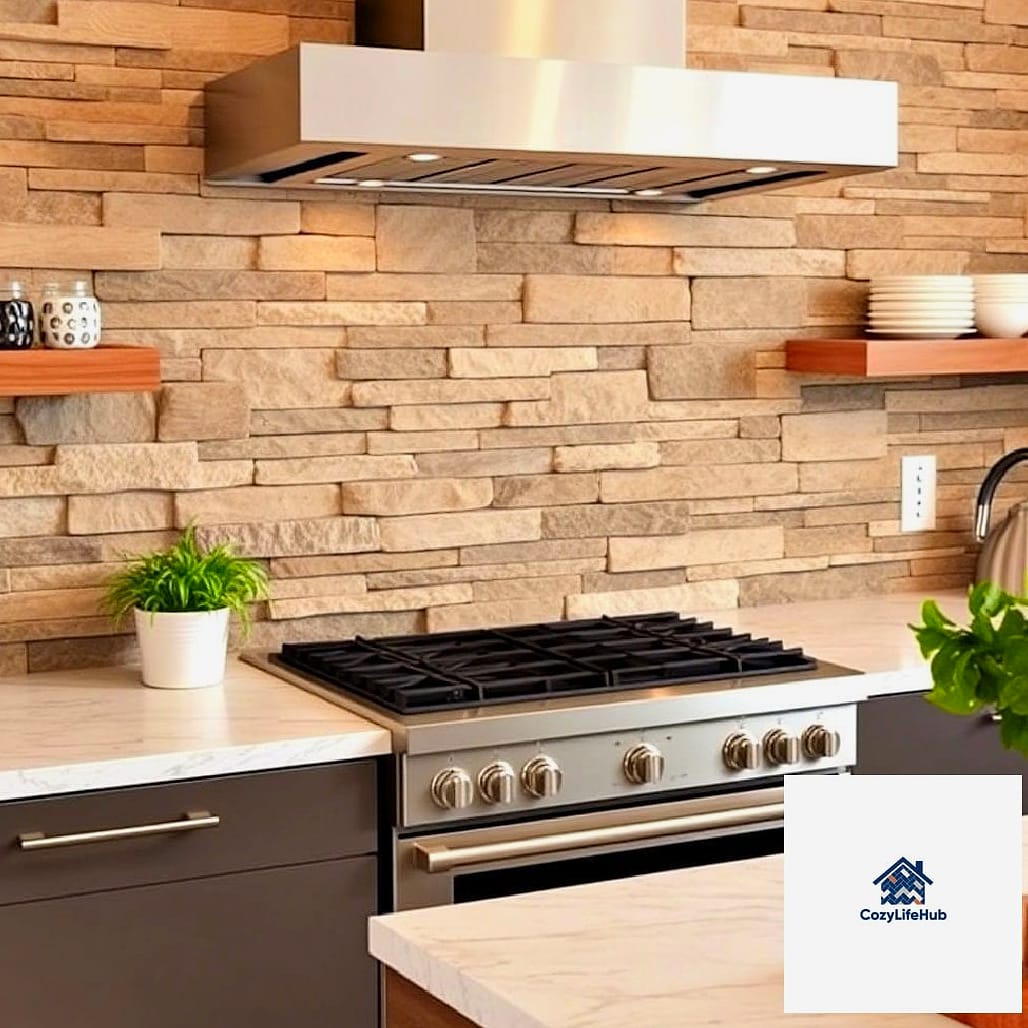
Natural stone backsplashes, whether it’s a soft travertine or a more dramatic marble with heavy veining, bring an organic, high-end feel that tile alone can’t quite replicate. Stacked in a simple horizontal layout, the natural variation in the stone becomes the star.
This look is popular in kitchens aiming for a warm, earthy palette, especially when paired with wood cabinetry and matte black or brass fixtures. It photographs beautifully, which is probably part of why it’s all over kitchen inspiration boards right now.
Natural stone does need to be sealed periodically to resist staining, so it’s worth factoring that maintenance step into your decision if you’re someone who wants a truly low-fuss surface.
Checkerboard Tile in Two Tones
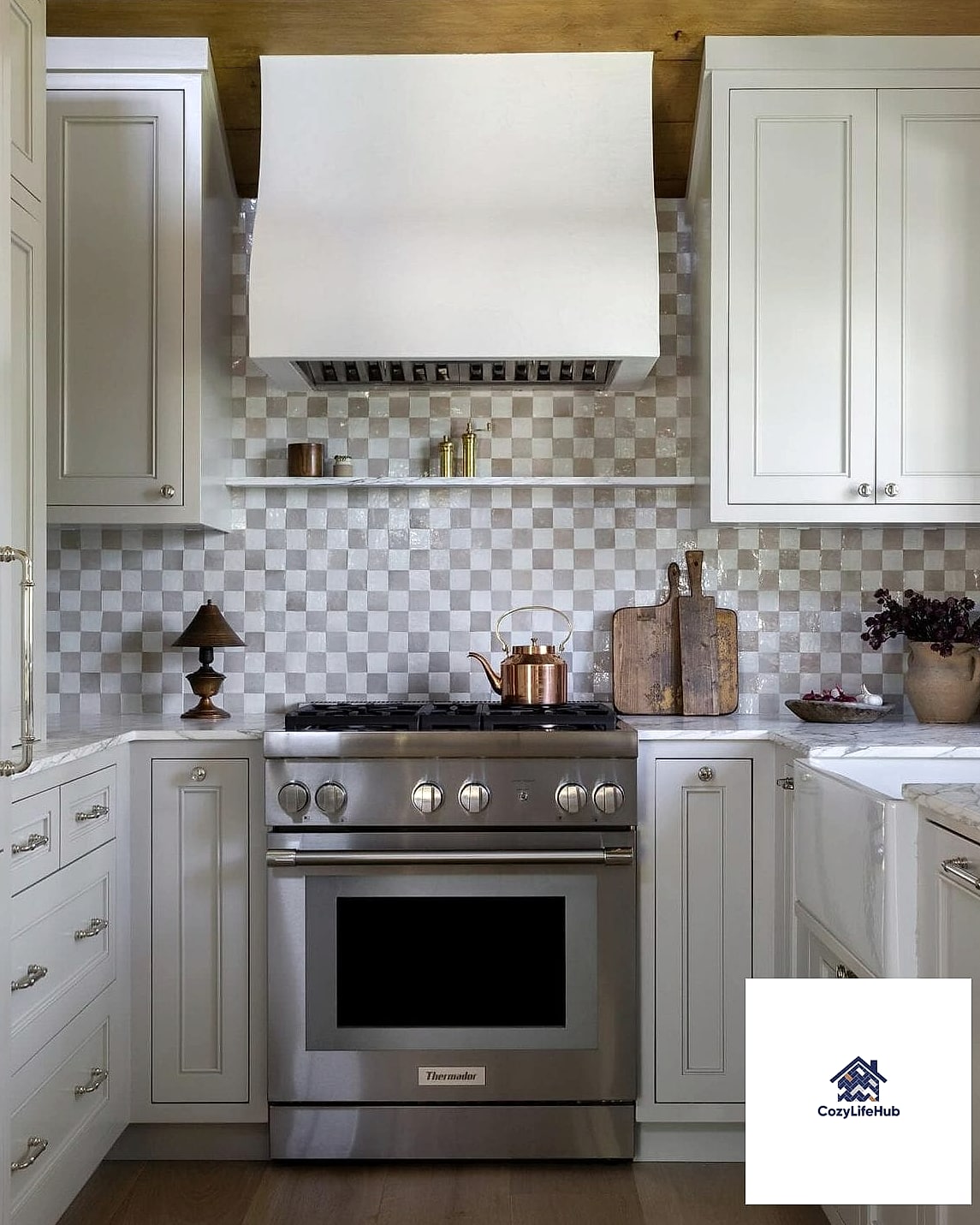
Checkerboard patterns have made their way from flooring onto backsplashes, and the effect is playful without feeling gimmicky when done in the right color combination. Soft sage and cream, or black and white for something more classic, both work well depending on your kitchen’s overall vibe.
This idea works best as a statement behind the range or across a full wall in kitchens that already have simple cabinetry, letting the pattern be the main event. It’s a fun way to inject personality into a kitchen without committing to a bold wall color that might be harder to change later.
Budget-conscious homeowners can achieve this with standard ceramic tile, while those wanting a more elevated version might reach for zellige or handmade tile in the same layout.
Extended Backsplash Behind Open Shelving
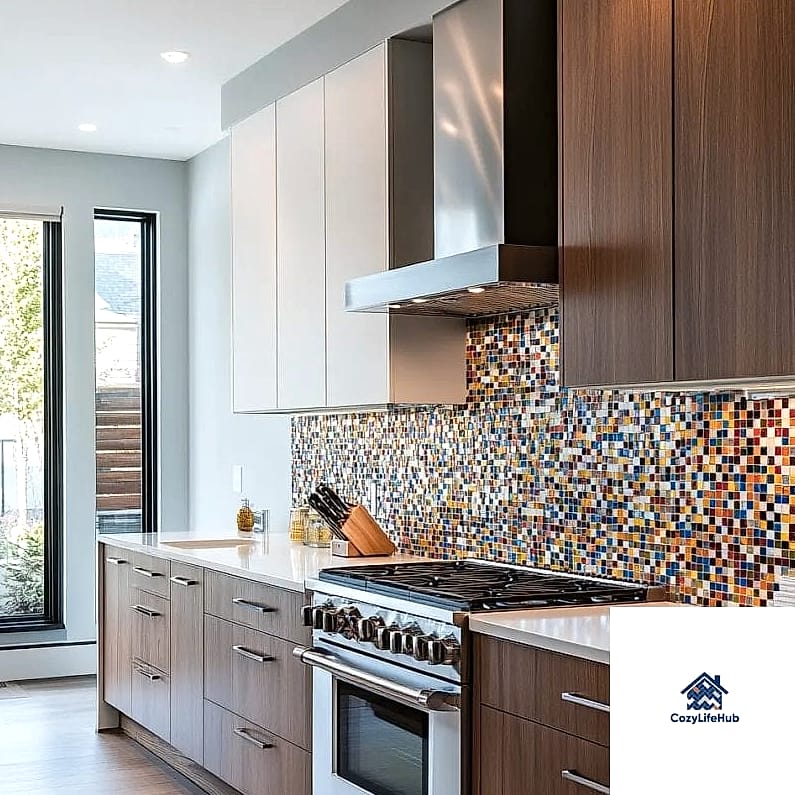
As open shelving continues to be a popular kitchen feature, designers are extending the backsplash tile up behind the shelves rather than stopping it at the counter. This creates a cohesive backdrop for displayed dishes, plants, and cookbooks instead of leaving a gap of plain painted wall.
It’s a smart way to make open shelving feel intentional rather than like storage that ran out of cabinet space. Pairing this with floating wood shelves and a few pieces of greenery gives the whole wall a curated, styled look.
This approach does mean buying a bit more tile than a standard installation, but it’s a relatively small cost increase for the visual payoff.
Warm Terracotta and Earthy Tile Tones
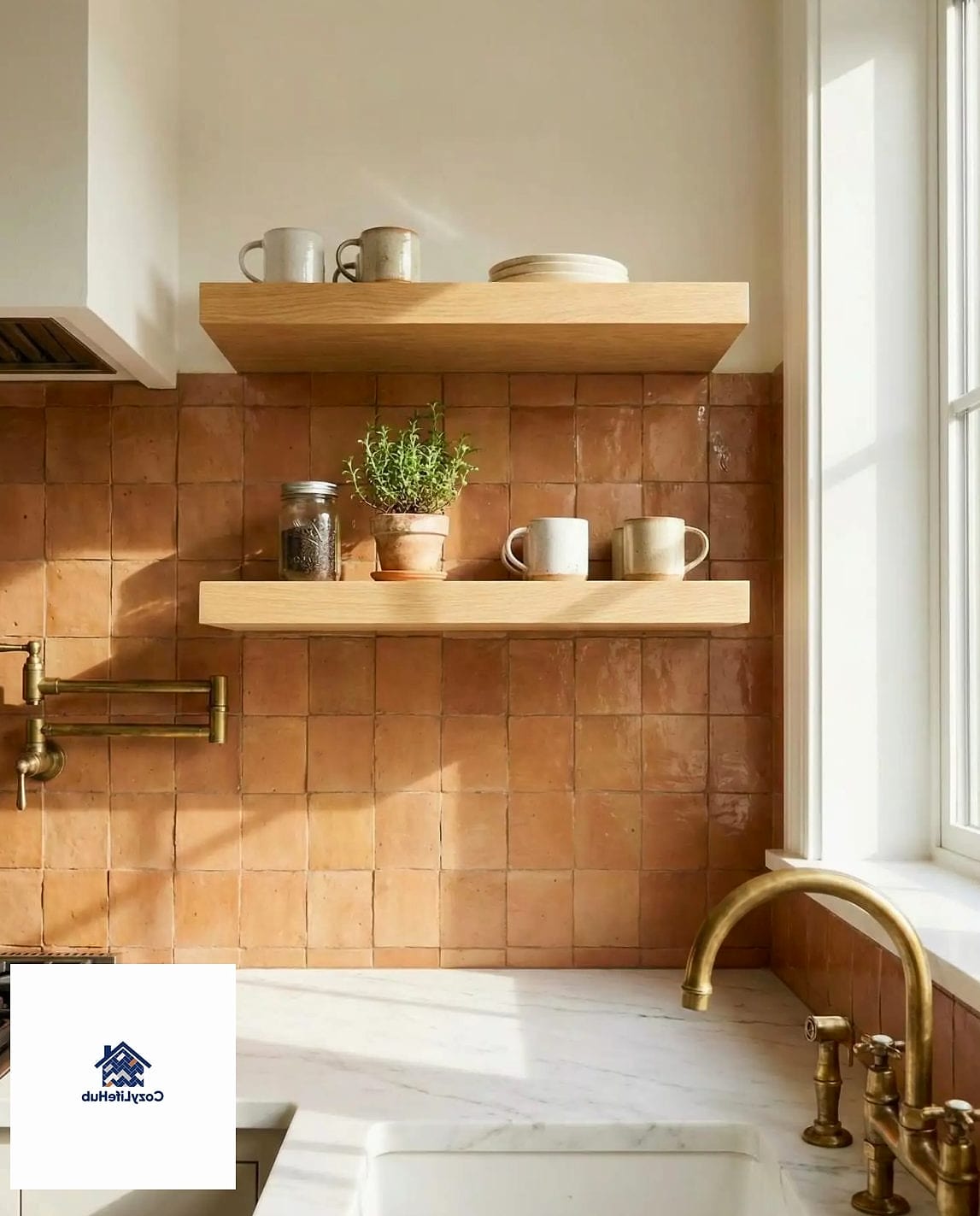
Cool grays and stark whites have had their moment, and now warmer, earthier tile colors are taking over kitchen backsplash trends. Think terracotta, warm ochre, and soft clay tones that bring a cozy, sun-washed feeling into the space.
These colors pair naturally with wood tones, brass hardware, and a neutral color palette elsewhere in the kitchen, so the backsplash can be the boldest element without overwhelming the room. It’s a great option for anyone who wants color but isn’t ready to commit to a bright, saturated hue.
Ceramic and ceramic-look porcelain tile both come in these warm tones now, so you can get the look at a range of price points depending on your budget and durability needs.
Final Thoughts
Whether you’re drawn to the handmade texture of zellige or the clean lines of a full slab, the best backsplash ideas all share one thing in common: they feel intentional. A little bit of pattern, a thoughtful color choice, or an unexpected texture can turn a purely functional wall into one of the most personal parts of your kitchen.
Start with what feels most like you, factor in your budget and how much maintenance you’re actually willing to do, and you’ll end up with a backsplash that still feels right years from now.