9 White Subway Backsplash Ideas That Work in Any Size Home
- Classic Horizontal Brick Layout
- Herringbone Pattern for Extra Movement
- Vertical Stack for Small Kitchens
- Stacked Grid Pattern for a Modern Feel
- Dark Grout for Bold Contrast
- Extended Backsplash to the Ceiling
- Mixed with Open Shelving for a Lighter Look
- Mini Subway Tile for a Delicate Detail
- Peel-and-Stick Subway Tile for Renters
Structured article into nine distinct sections
9 White Subway Backsplash Ideas That Work in Any Size Home
White subway tile has been around for over a century, and it’s not going anywhere. There’s a reason designers keep coming back to it project after project. It’s clean, it’s affordable, and it plays well with pretty much any style you’re going for, whether that’s a cozy farmhouse kitchen or a sleek modern galley.
The best part is how flexible it actually is. A small apartment kitchen and a sprawling chef’s kitchen can both use the exact same tile and end up with completely different looks. It all comes down to layout, grout color, and a few smart styling choices. Here are nine ways to make white subway tile feel fresh in your own space.
Classic Horizontal Brick Layout
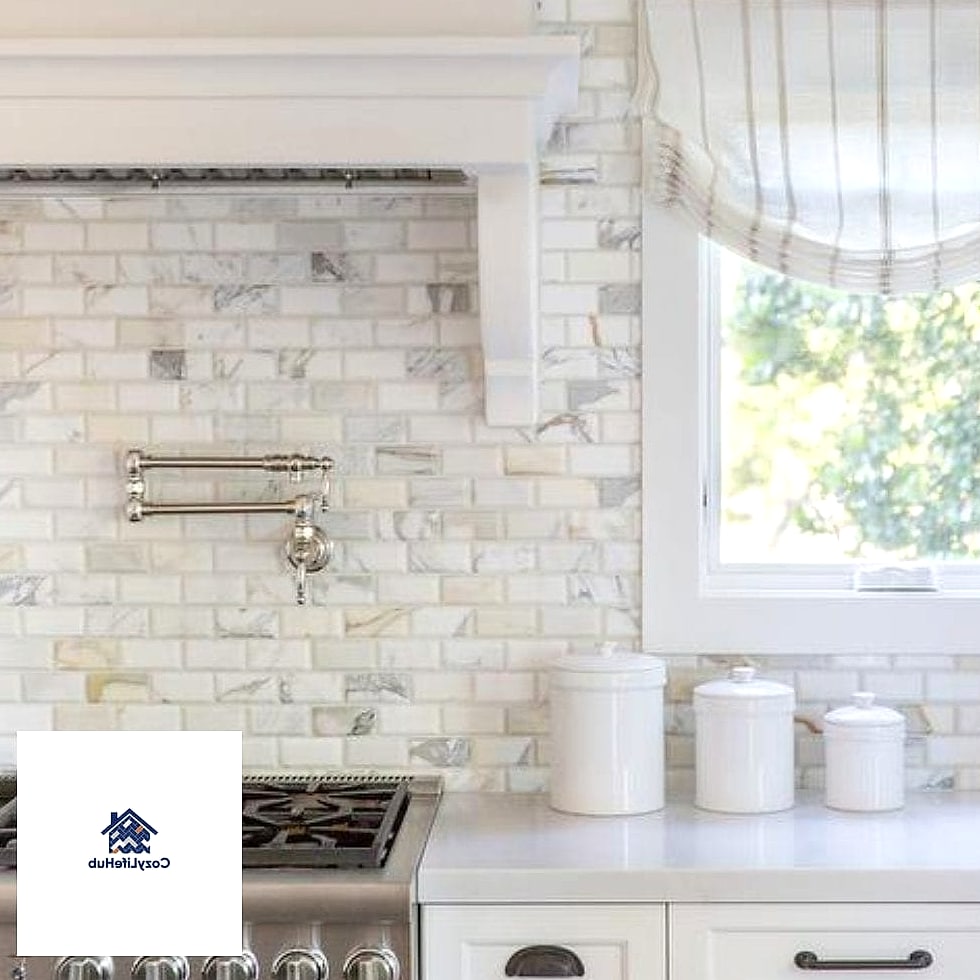
This is the layout most people picture when they hear “subway tile,” and honestly, there’s a reason it’s stuck around. Each tile is offset by half, just like a brick wall, creating that timeless staggered look.
It works beautifully in kitchens of any size because the horizontal lines actually make a room feel wider. If you’ve got a narrow galley kitchen, this trick alone can open things up visually.
Pair it with white or light gray grout for a soft, blended look, or go with a slightly darker grout if you want the pattern itself to stand out more. This layout is also one of the easiest for DIYers to tackle since the spacing is so forgiving.
Herringbone Pattern for Extra Movement
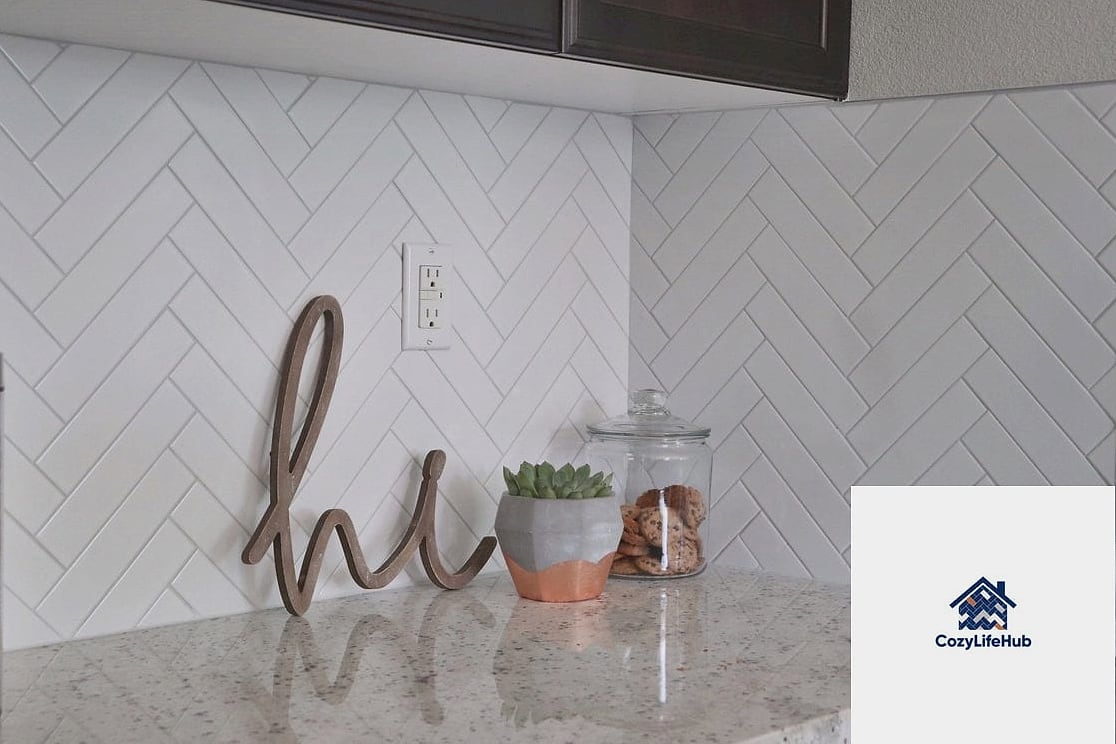
If you want something a little more eye-catching without straying from the classic white palette, herringbone is the move. Tiles are laid at an angle, forming a zigzag pattern that adds texture and visual interest to an otherwise simple backsplash.
This works especially well behind a stove as a focal point, even if the rest of your kitchen keeps things simple. It reads as more custom and higher-end, which is great news if you’re trying to upgrade a builder-grade kitchen without a full renovation.
Keep in mind herringbone takes more cuts and more patience during installation. Many homeowners hire this one out rather than DIYing it, especially for larger areas.
Vertical Stack for Small Kitchens
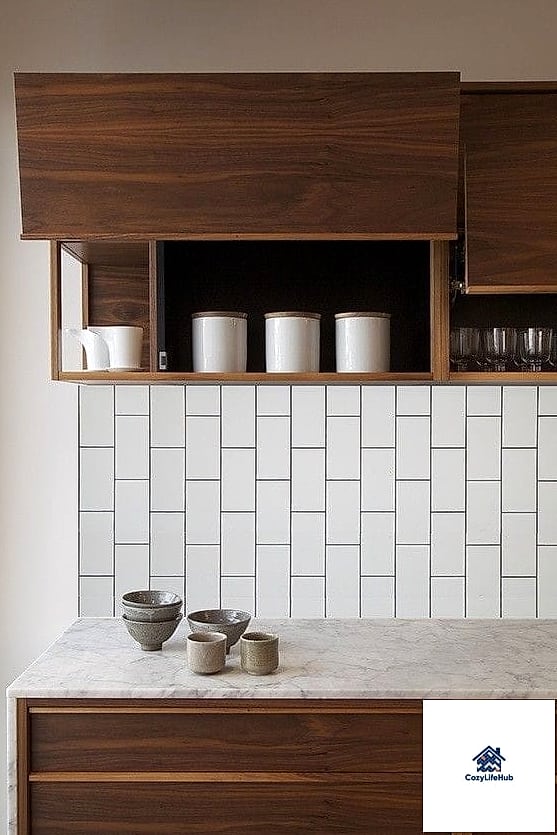
Turning subway tile on its end and stacking it vertically is a simple trick with a big payoff, especially in smaller kitchens or apartment units. The vertical lines draw the eye upward, making ceilings feel taller and the whole space feel less cramped.
This layout also has a slightly more modern, architectural feel compared to the traditional horizontal brick pattern. It’s a nice option if you like subway tile but want something that doesn’t look quite as expected.
Thin grout lines with this layout keep things looking crisp and intentional rather than busy. It’s a good pick for anyone working with a smaller footprint who still wants that clean subway tile look.
Stacked Grid Pattern for a Modern Feel
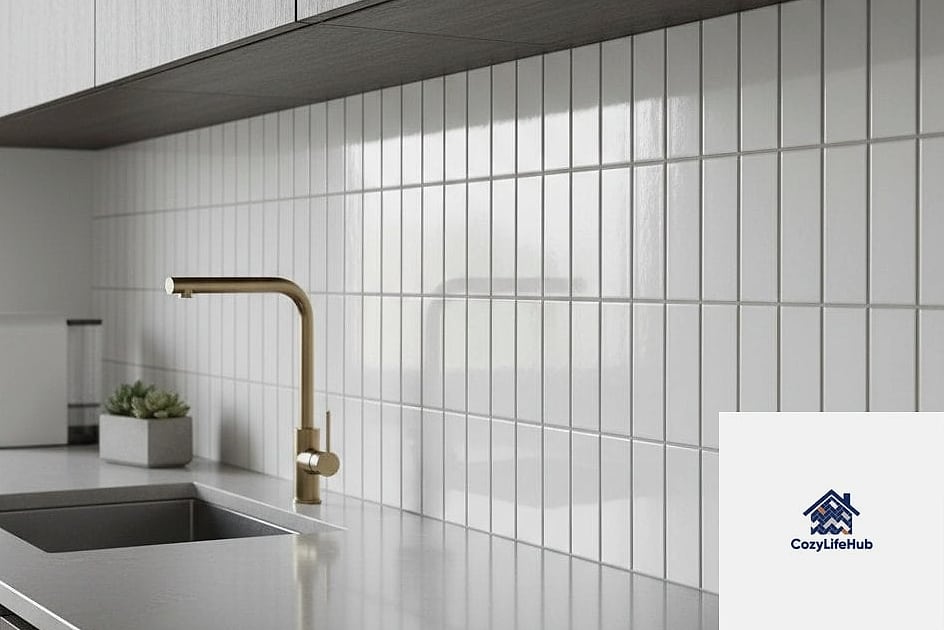
Instead of offsetting each row, the stacked grid layout lines tiles up directly on top of one another, creating a clean grid of squares and rectangles. This is a favorite in modern and minimalist kitchens because of how orderly and calm it looks.
It pairs especially well with matte black fixtures or brushed brass hardware, since the simple grid lets those accent pieces really pop against the white backdrop.
One thing to know: this layout shows off any unevenness in your tiles more than the offset brick pattern does, so it’s worth double-checking tile quality before you commit to this look.
Dark Grout for Bold Contrast
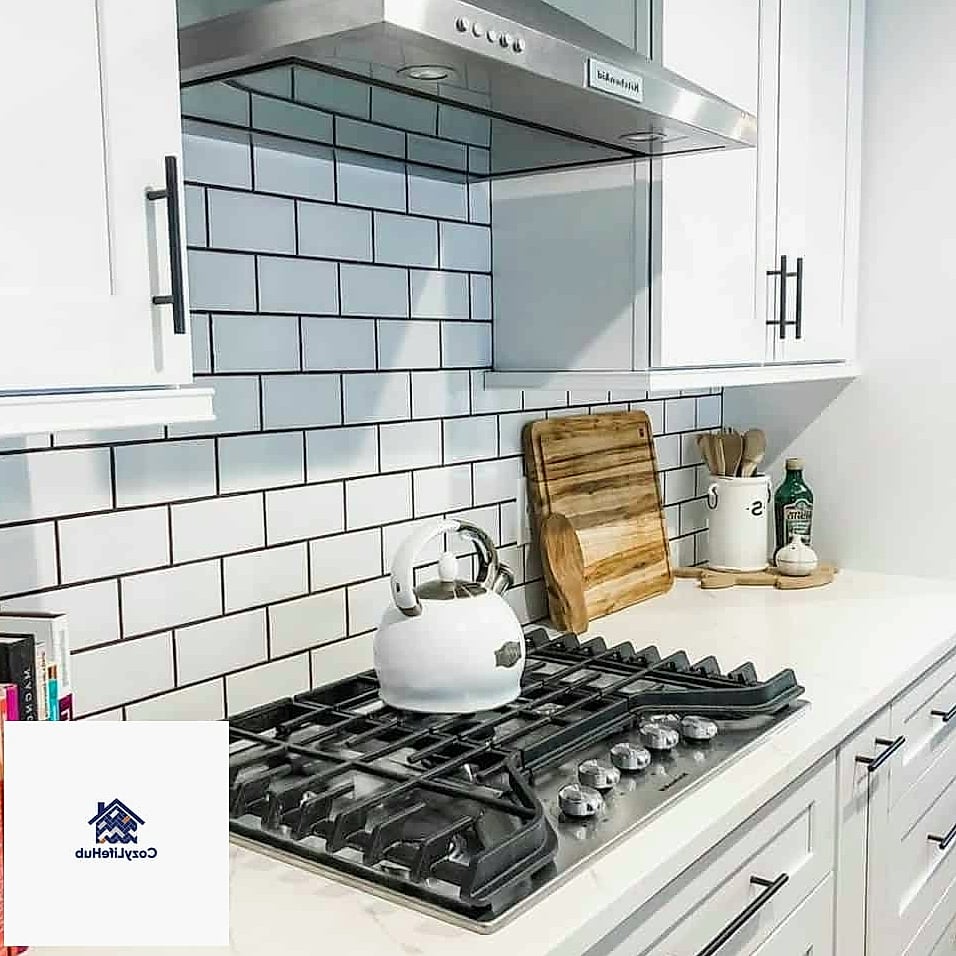
Sometimes the easiest way to update classic white subway tile is to skip the white grout entirely. Swapping in charcoal, black, or deep gray grout turns the same familiar tile into something with way more personality.
This works great in kitchens with black fixtures, dark cabinetry, or industrial-style lighting, since it ties everything together. It’s also a smart practical choice if you’re worried about grout staining over time, since darker grout hides grease splatters and everyday grime much better than bright white does.
Just know that dark grout does require sealing to keep it looking its best, and it’s a bit more noticeable if you ever need to do touch-up work.
Extended Backsplash to the Ceiling
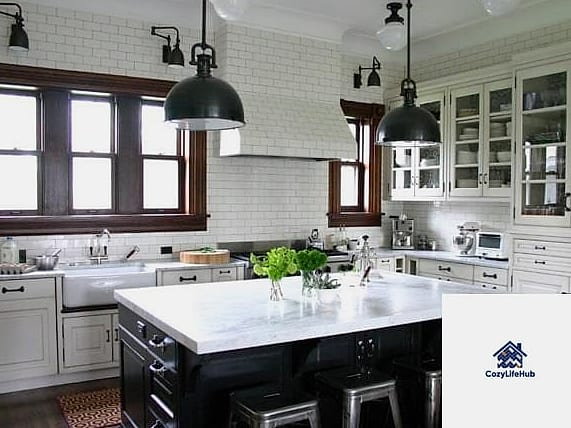
Rather than stopping the tile at the standard 18 inches above the counter, running white subway tile all the way up to the upper cabinets or even to the ceiling creates a dramatic, custom look. It’s become a popular choice in kitchens that skip upper cabinets in favor of open shelving.
This works particularly well in kitchens with good natural light, since the extra tile reflects light around the room instead of absorbing it the way darker walls might.
Budget-wise, this does mean buying more tile and spending more on labor if you’re hiring it out, but it’s one of those upgrades that makes a kitchen feel finished and intentional rather than like an afterthought.
Mixed with Open Shelving for a Lighter Look
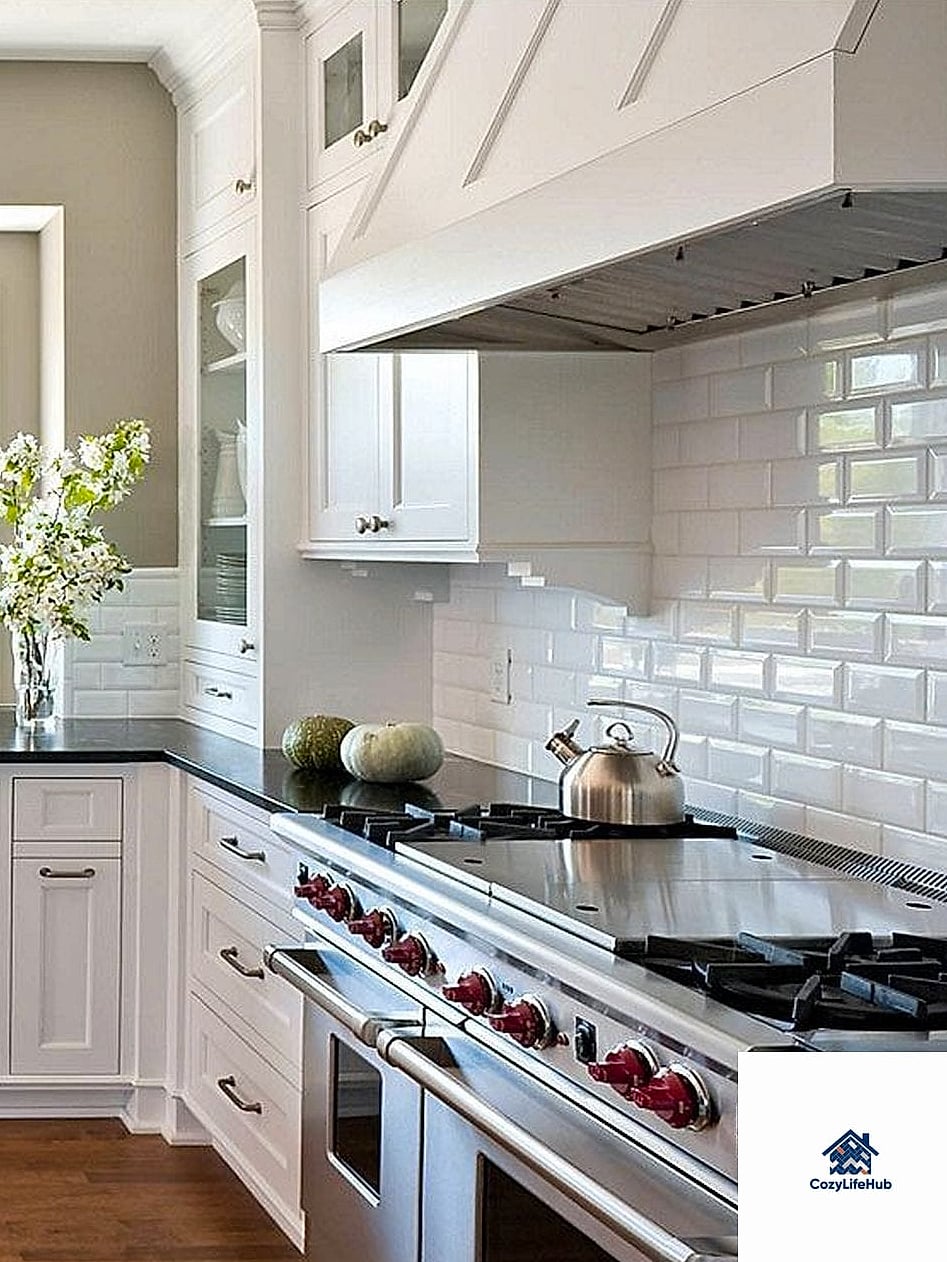
White subway tile behind open shelving instead of upper cabinets creates a breezy, collected feel that a lot of homeowners are drawn to right now. The plain white background lets dishes, glassware, and decor items act as the visual interest instead.
This combo works especially well in smaller kitchens where wall-to-wall upper cabinets would feel heavy or closed in. Floating shelves in warm wood tones look particularly nice against the crisp white tile, adding a bit of natural texture to balance things out.
Just be honest with yourself about upkeep here. Open shelving means everything is visible, so it works best for people who don’t mind a little extra dusting or who keep their kitchen essentials fairly curated.
Mini Subway Tile for a Delicate Detail
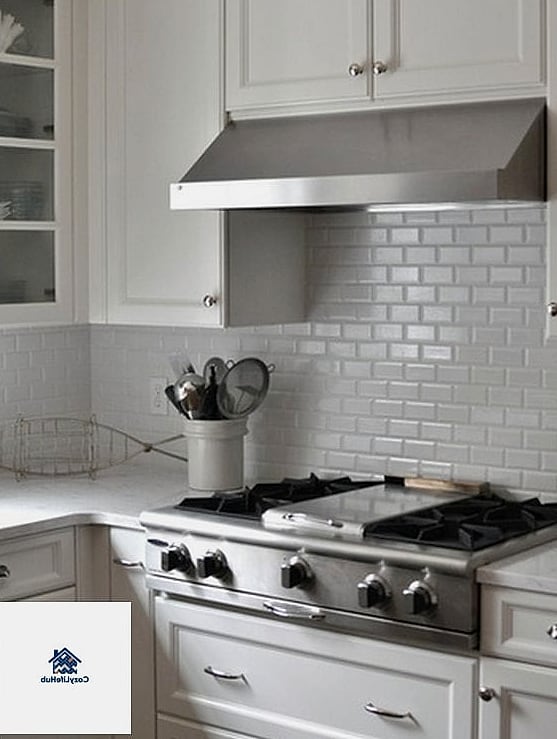
Standard subway tile is usually 3×6 inches, but the mini version, often 2×4 or smaller, gives you a similar classic look with a more delicate, detailed feel. The extra grout lines add texture without introducing any additional color or pattern.
This size works really well in bathrooms, powder rooms, or as an accent behind a bar area, where you want something that feels a little more refined than a standard kitchen backsplash. It’s also a nice option if you like the look of mosaic tile but want something simpler to clean and maintain.
Because there are more tiles and more cuts involved, mini subway tile can take longer to install and may cost a bit more in labor, even though the tile itself is often similarly priced to standard subway tile.
Peel-and-Stick Subway Tile for Renters
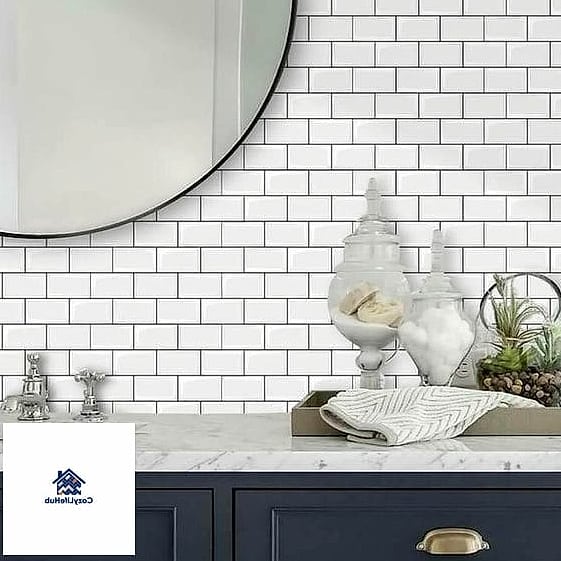
Not everyone is in a position to tile a permanent backsplash, and that’s exactly why peel-and-stick subway tile has gotten so popular. These renter-friendly options mimic the look of real ceramic or porcelain subway tile without any grout, mortar, or long-term commitment.
They’re an easy weekend DIY project, no special tools required beyond a utility knife and a level. Most can be removed cleanly when it’s time to move, which makes them a smart choice for apartments or starter homes where a full renovation isn’t in the cards yet.
Quality has come a long way too. Higher-end peel-and-stick options now have a more realistic texture and finish, so they read as real tile rather than an obvious stand-in, at least from a normal viewing distance. Just keep them away from direct high heat sources like the area right behind a stove burner, since some adhesives don’t hold up as well there.
White subway tile earns its reputation as a go-to backsplash choice because it genuinely adapts to whatever you throw at it. Change the layout, swap the grout color, adjust the size, and you’ve got a completely different look using the same basic material.
Whether you’re renovating a full kitchen or just refreshing a small rental space, there’s a version of white subway tile that fits your budget, your timeline, and your personal style. Sometimes the simplest choices really do end up being the most versatile ones.