17 Subway Tile Ideas You’ll Want to Save Right Now
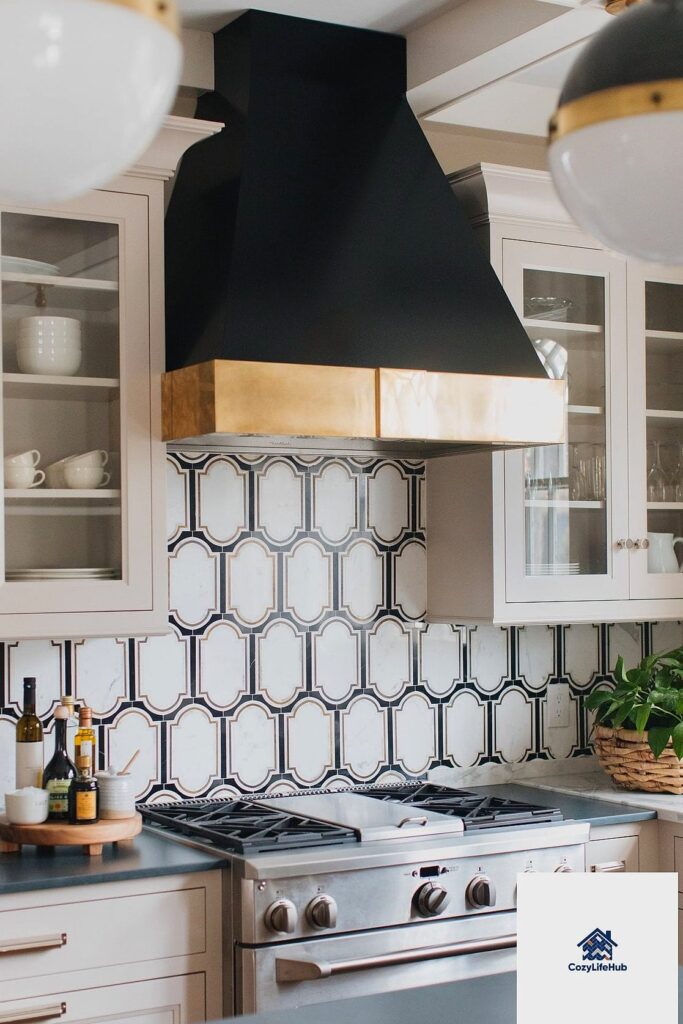
- White Subway Tile with Dark Grout
- Herringbone Subway Tile Layout
- Colored Subway Tile Backsplash
- Vertical Stack Subway Tile
- Extra Large Format Subway Tile
- Subway Tile Shower Surround
- Beveled Subway Tile
- Subway Tile with a Mosaic Accent Strip
- Matte Black Subway Tile
- Subway Tile in a Basketweave Pattern
- Two-Tone Subway Tile Kitchen
- Subway Tile Fireplace Surround
- Peel-and-Stick Subway Tile Backsplash
- Subway Tile with Colored Grout
- Floor-to-Ceiling Subway Tile Bathroom
- Subway Tile Laundry Room Backsplash
- Subway Tile Kitchen Island Wrap
17 Subway Tile Ideas You’ll Want to Save Right Now
Subway tile has been around for over a century, and honestly, it’s not going anywhere. There’s a reason designers keep coming back to it project after project. It’s affordable, it’s endlessly versatile, and it works in pretty much any style of home you can think of.
But “subway tile” doesn’t have to mean the same white 3×6 rectangles you’ve seen a thousand times. There are so many ways to play with color, layout, size, and grout to make it feel completely your own. Whether you’re planning a full kitchen remodel or just want to freshen up a small bathroom, these 17 subway tile ideas should give you plenty to work with.
White Subway Tile with Dark Grout
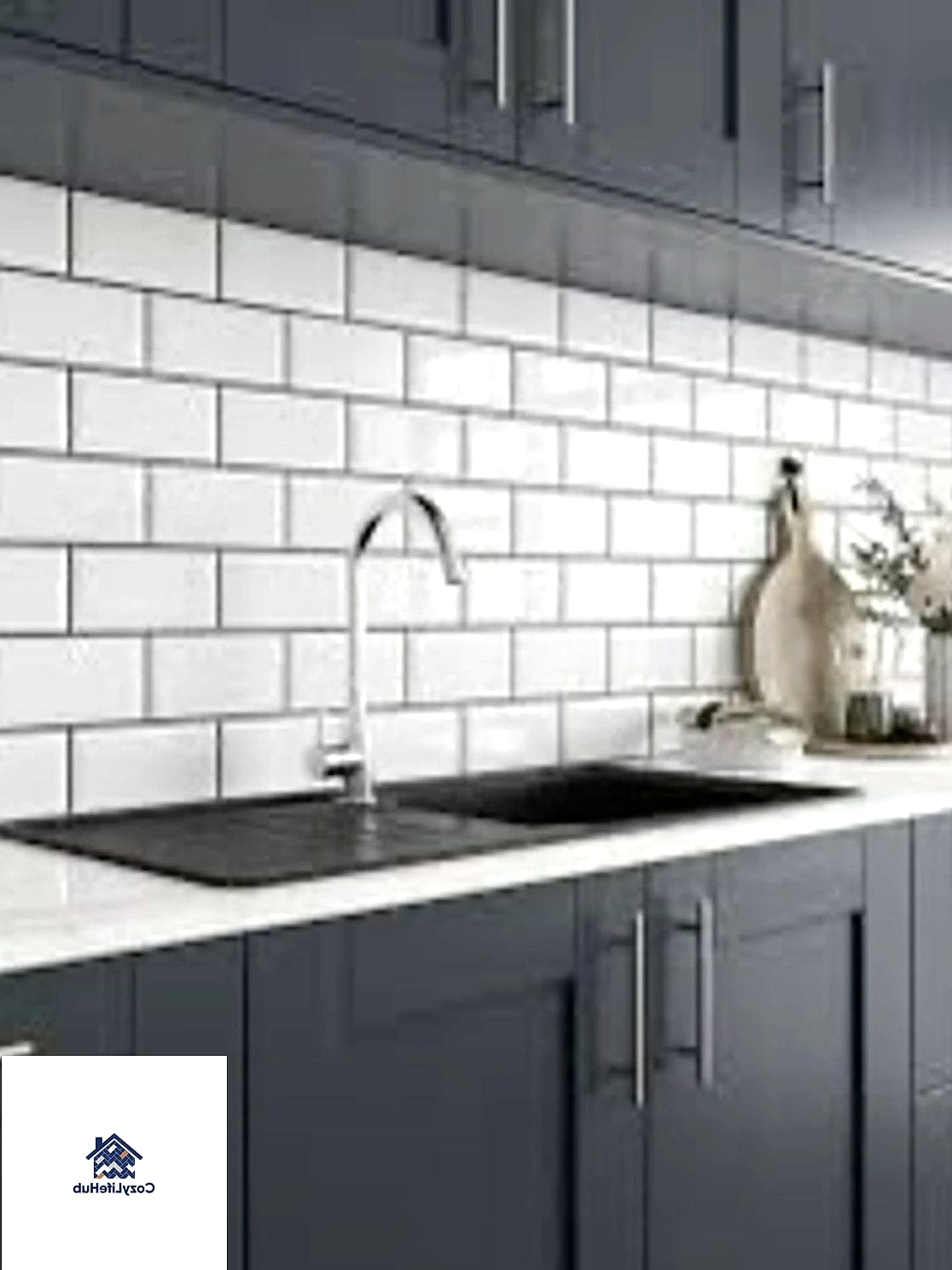
This combo has become a favorite for good reason. The contrast between the crisp white tile and charcoal or black grout makes the pattern pop in a way that white-on-white grout just doesn’t.
It works especially well in kitchens where you want the backsplash to actually read as a design feature rather than fading into the wall. It’s also a little more forgiving when it comes to hiding grime around the stove, which is a nice bonus if you’re not thrilled about scrubbing grout lines every weekend.
Herringbone Subway Tile Layout
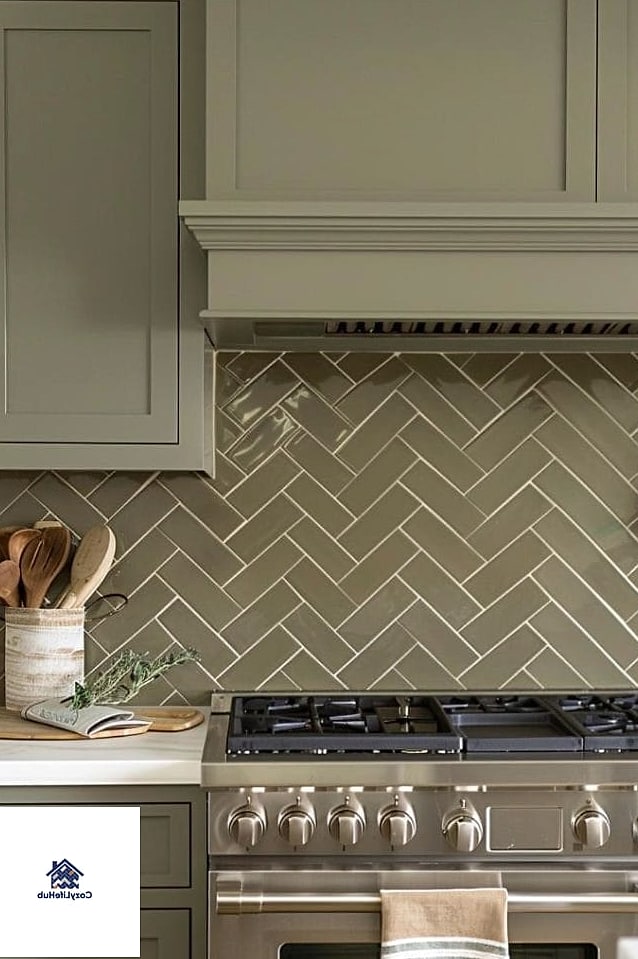
Skip the standard brick pattern and lay your subway tiles in a herringbone arrangement instead. It instantly makes the space feel more custom, even though you’re using the same basic tile shape.
This layout shines as a focal point behind a stove or in a small powder room where you want something a little more special. It does take more cutting and a more experienced installer, so budget a bit more for labor if you’re not tackling it yourself.
Colored Subway Tile Backsplash
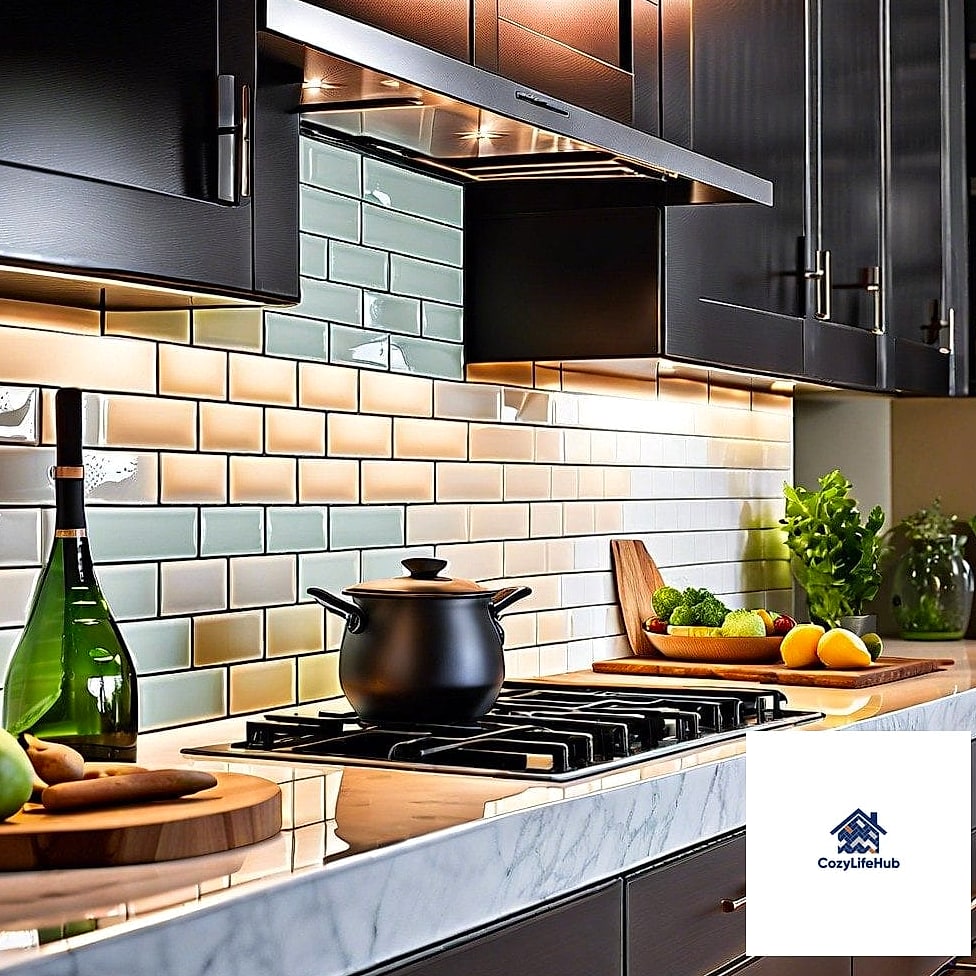
Who says subway tile has to be white? Soft sage green, dusty blue, and warm terracotta subway tiles have been showing up in kitchens everywhere lately, and they add personality without going overboard.
A colored backsplash is a great way to bring in a hue you love without committing to painted cabinets or a bold accent wall. Pair it with white countertops and simple hardware so the tile stays the star of the show.
Vertical Stack Subway Tile
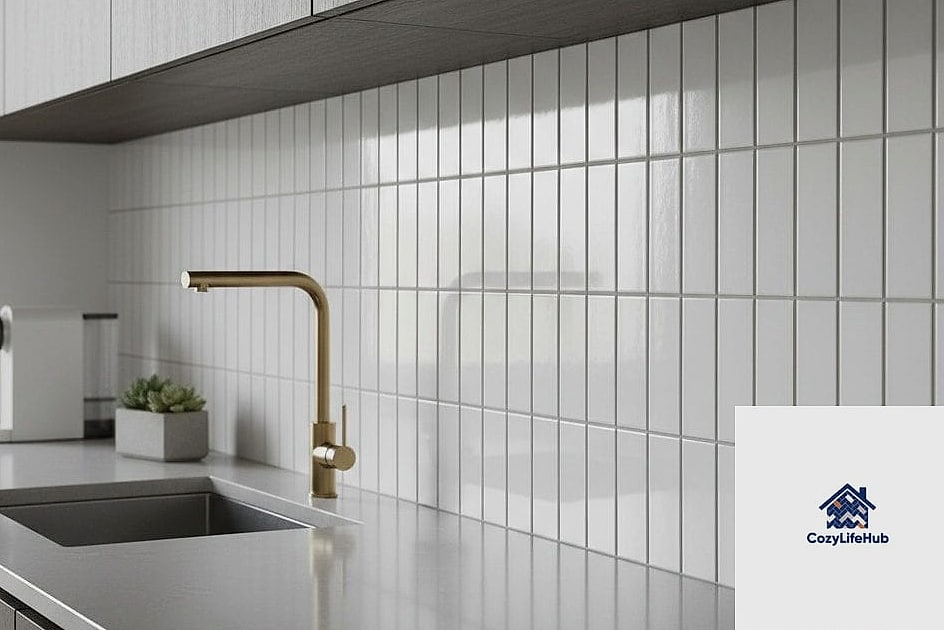
Instead of the traditional offset brick pattern, try stacking your subway tiles straight up and down in a grid. It’s a small change that makes a big difference, giving the wall a cleaner, more modern look.
This layout works particularly well in contemporary or minimalist kitchens where you want clean lines throughout. It also tends to make a shorter backsplash area feel a bit taller, which is a nice trick for spaces with limited wall height.
Extra Large Format Subway Tile
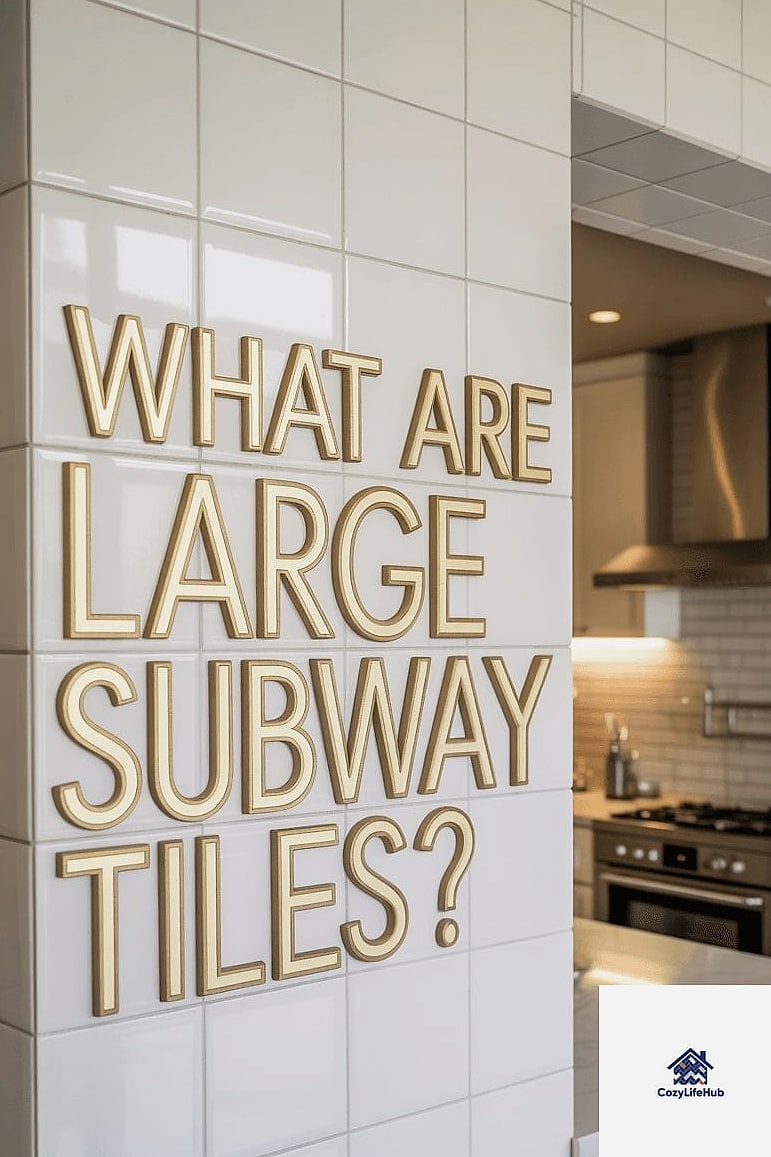
Standard subway tile is usually 3×6 inches, but oversized versions in 4×12 or even 4×16 have become popular for a more streamlined look. Fewer grout lines mean less visual clutter and honestly, less cleaning too.
Large format subway tile works beautifully in modern bathrooms, especially on shower walls where you want a spa-like feel. Just know that bigger tiles can be trickier to install on uneven walls, so a skilled installer really matters here.
Subway Tile Shower Surround
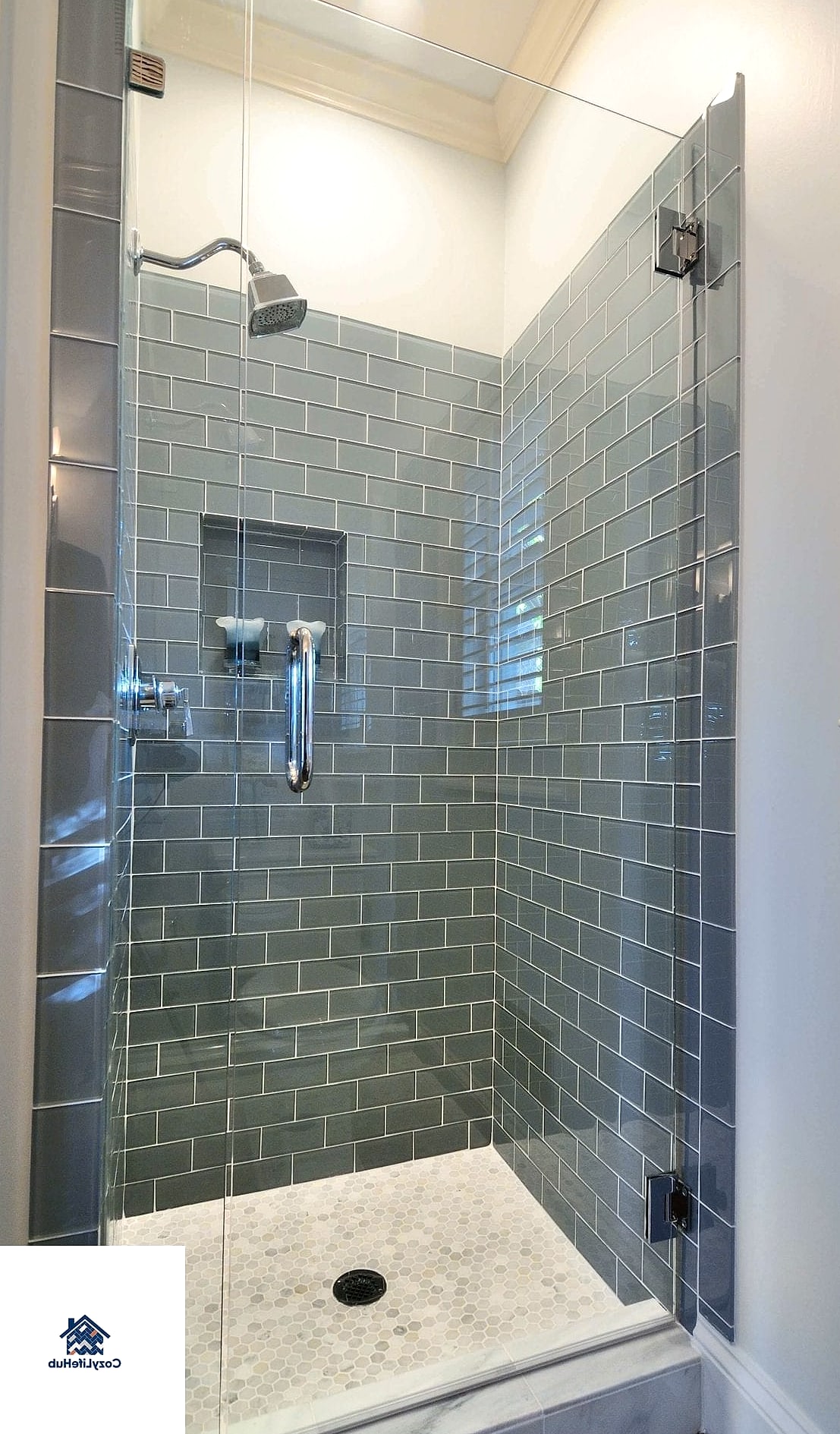
Full subway tile shower walls are a classic for a reason. They’re durable, water-resistant, and give you that clean, hotel-bathroom feel without a huge price tag.
Consider running the tile all the way to the ceiling for a more finished, elevated look rather than stopping at a standard shower curtain height. Add a contrasting tile border or a small mosaic accent strip if you want to break things up a little.
Beveled Subway Tile
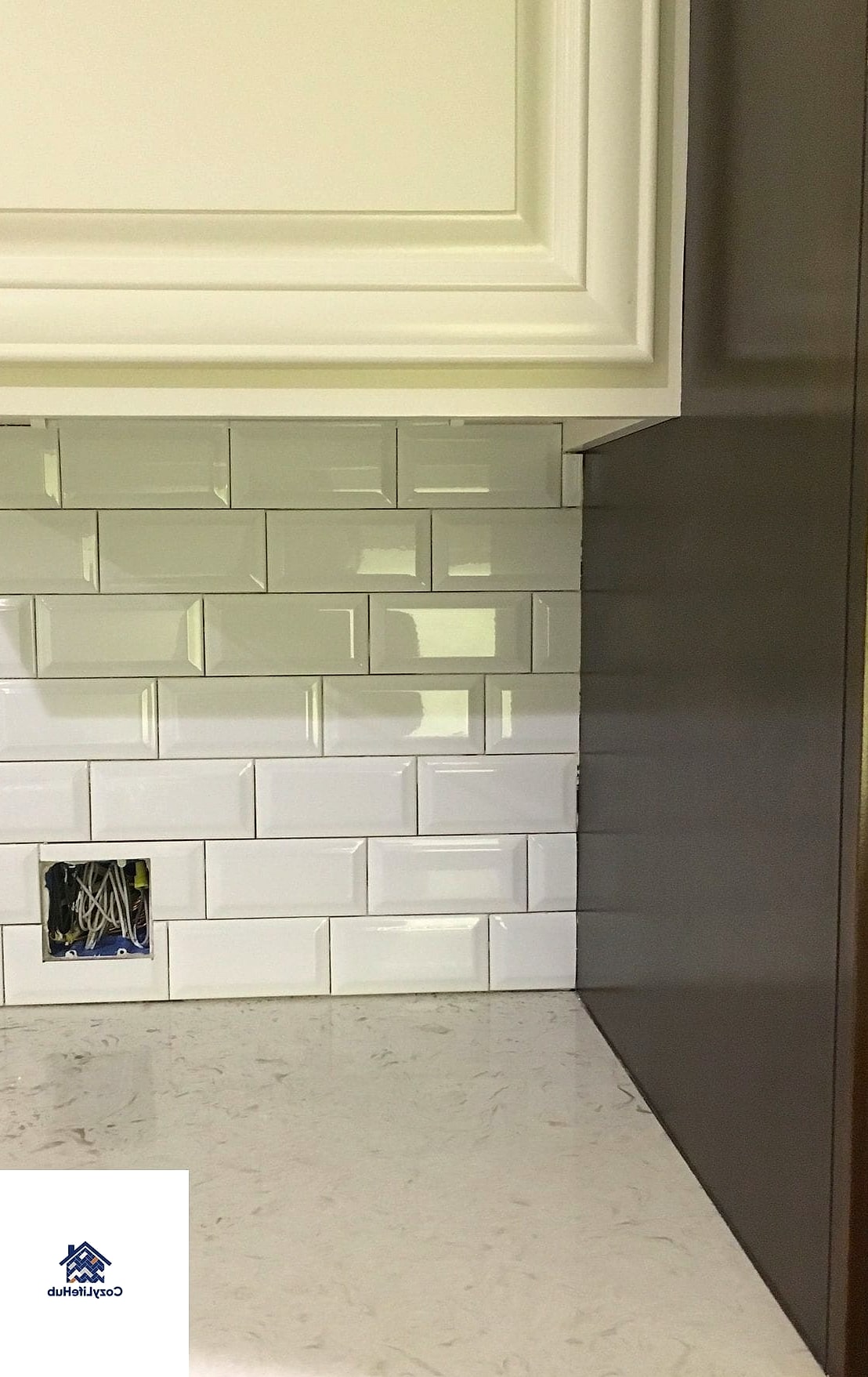
Beveled subway tile has slightly angled edges, which creates shadow lines and a bit of dimension that flat tile just doesn’t have. Under kitchen lighting, this texture really comes alive.
It leans a little more traditional and works great in kitchens with classic or transitional styling, especially alongside shaker cabinets. The subtle texture also helps disguise small water spots and fingerprints between cleanings.
Subway Tile with a Mosaic Accent Strip
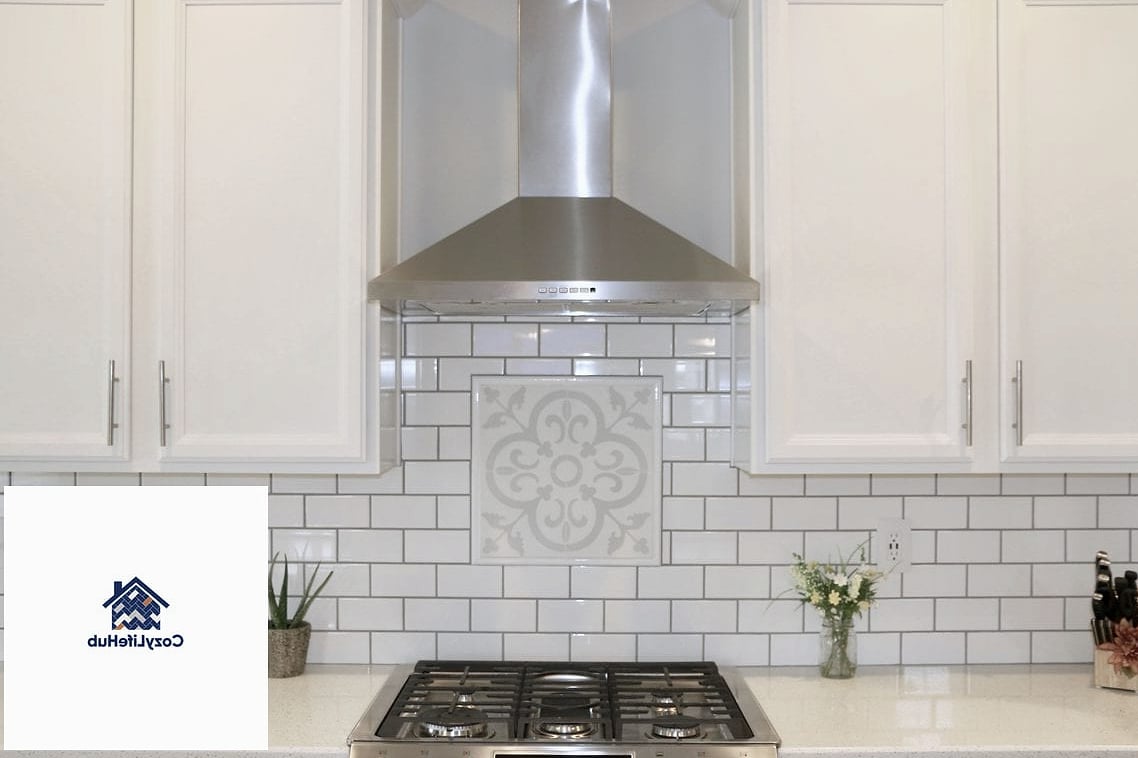
Break up a large expanse of subway tile with a thin strip of mosaic tile running through the middle. It’s an easy way to add a decorative moment without covering the whole wall in a busier pattern.
This works especially well behind a stove where you want a little extra visual interest above the range. Mix in some marble or glass mosaic pieces to tie in other finishes from the room, like your countertops or cabinet hardware.
Matte Black Subway Tile
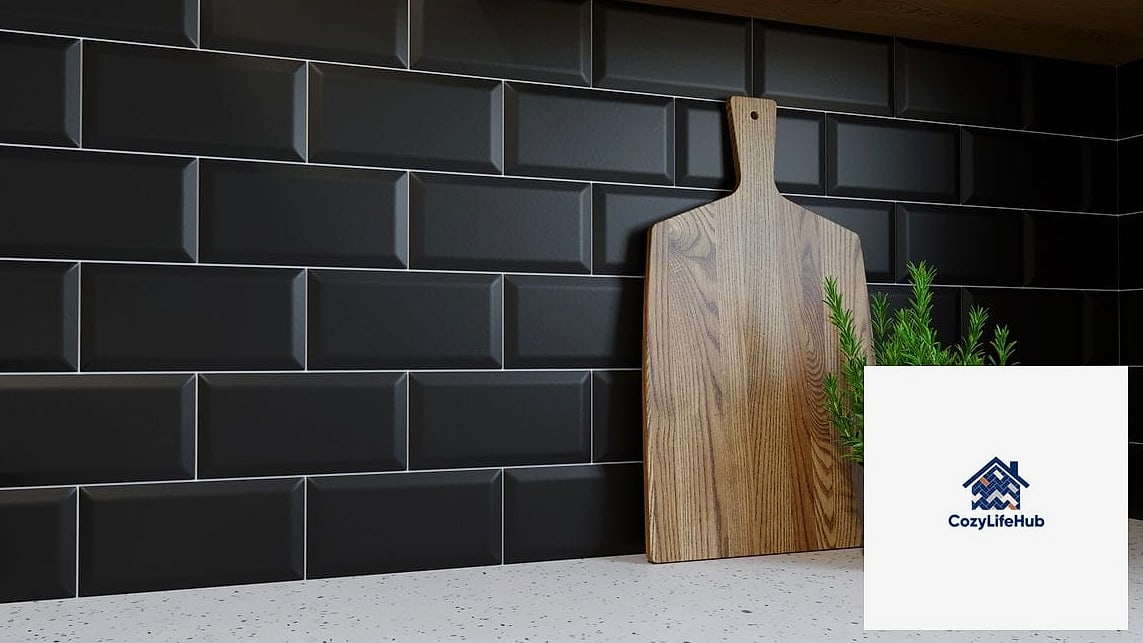
Matte black subway tile is a bold move, but it’s one that pays off in kitchens and bathrooms that lean moody and modern. It pairs beautifully with brass or brushed gold fixtures for a look that feels intentional and a little dramatic.
Because it’s matte rather than glossy, it tends to hide water spots and fingerprints better than a shiny black tile would. It’s a great option if you’re drawn to darker palettes but still want a classic tile shape to keep things feeling grounded.
Subway Tile in a Basketweave Pattern
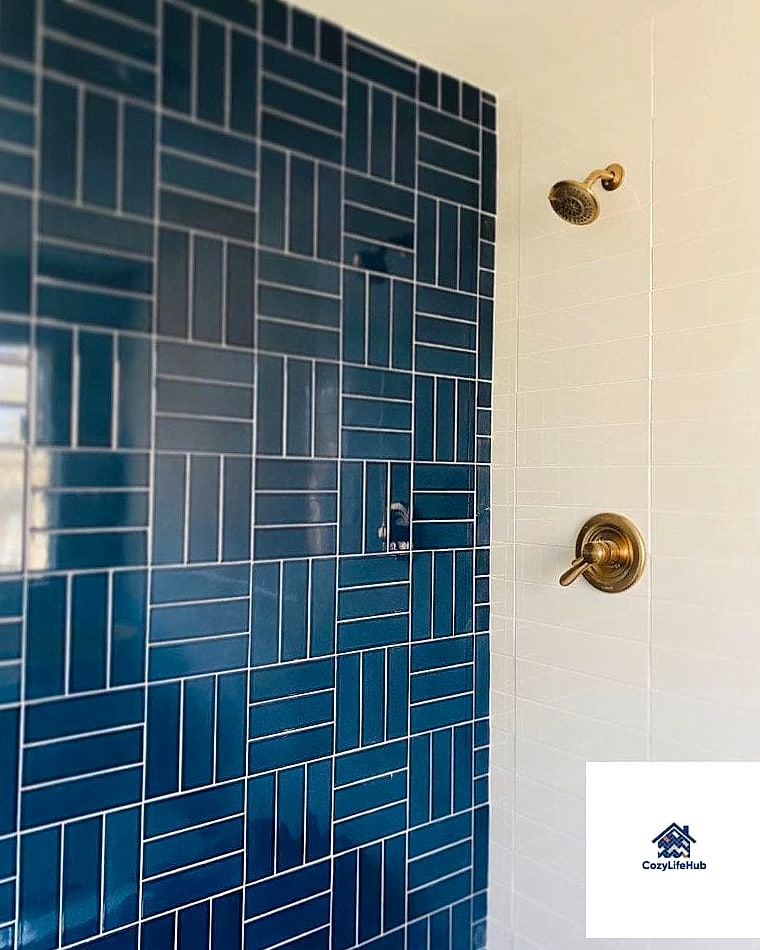
For something a little more unexpected, try laying subway tiles in a basketweave pattern instead of the usual brick offset. It creates a woven, textural look that reads more like a statement floor or wall than a standard backsplash.
This pattern works nicely in entryways or as flooring in a small bathroom, though it’s best left to an experienced tile installer since the pattern needs to line up precisely. It’s not the easiest DIY project, but the payoff is worth it.
Two-Tone Subway Tile Kitchen
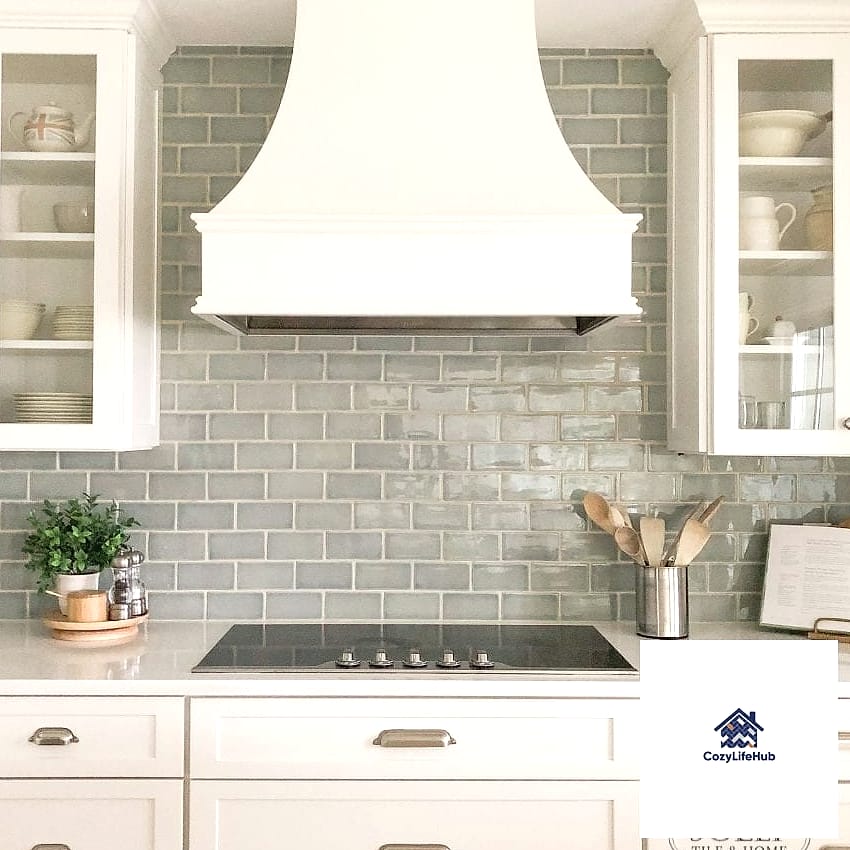
Mixing two different colors of subway tile, like a soft white on top and a deeper color along the lower half, gives your kitchen a layered, designed feel. It’s a subtle way to add contrast without going full color block.
This idea works great if you want to tie together your upper and lower cabinet colors, especially in kitchens with two-tone cabinetry already happening. Keep the transition line clean and straight for the most polished result.
Subway Tile Fireplace Surround
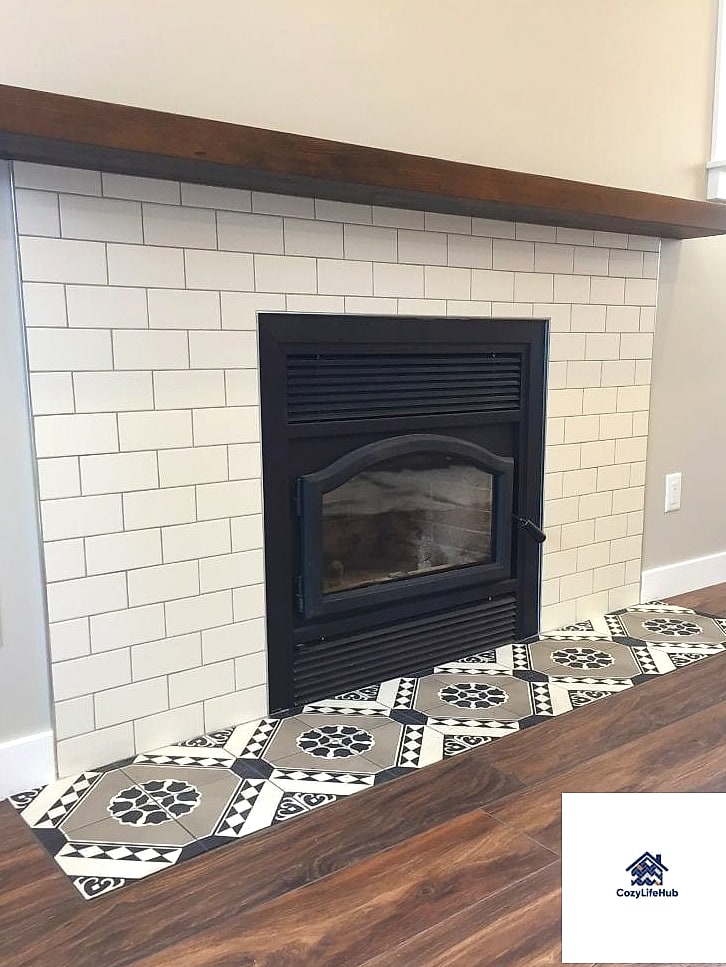
Subway tile isn’t just for kitchens and bathrooms. A subway tile fireplace surround brings texture and a clean, cottage-like feel to a living room without the cost of natural stone.
White or cream subway tile works beautifully here, especially paired with a wood mantel for warmth. It’s also fairly heat-resistant and easy to wipe down, which is helpful if soot or dust tends to build up around your fireplace opening.
Peel-and-Stick Subway Tile Backsplash
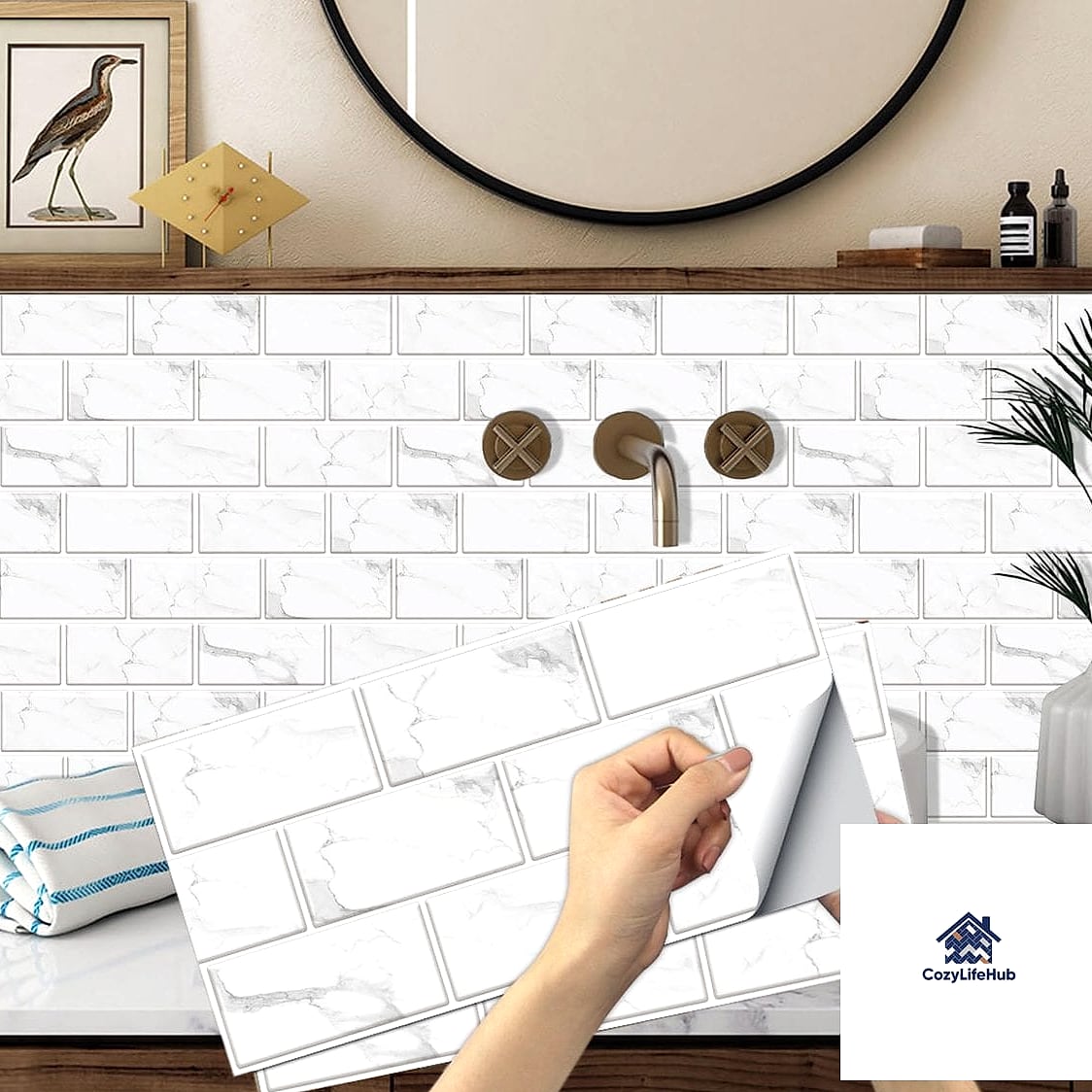
If you’re renting or just not ready to commit to a full tile installation, peel-and-stick subway tile is a genuinely solid option these days. The quality has come a long way, and a lot of styles look surprisingly close to the real thing.
It’s a weekend project rather than a multi-day renovation, and most versions can be removed without damaging the wall underneath. Just make sure your surface is clean and smooth before applying, since bumps and texture will show through.
Subway Tile with Colored Grout
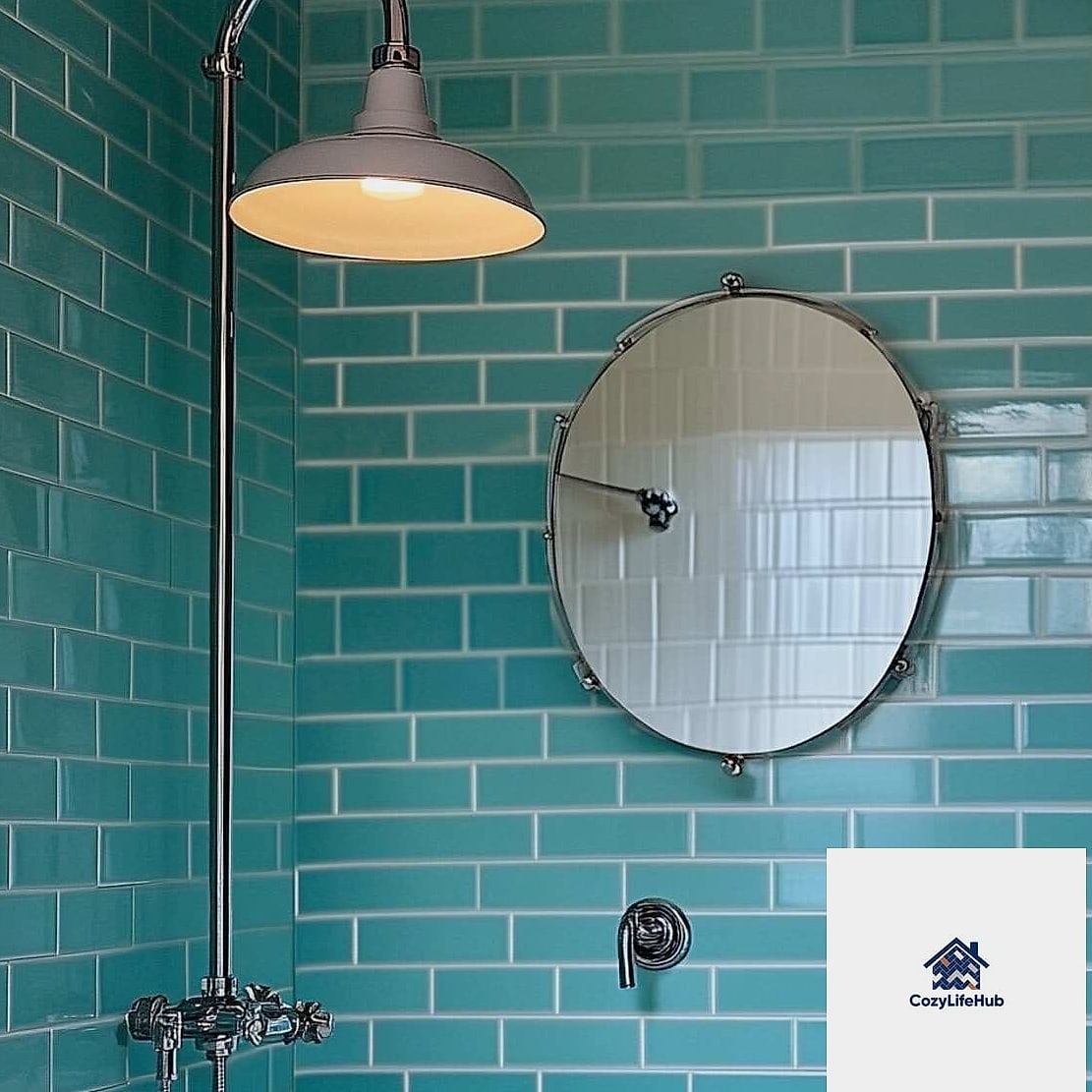
Instead of dark grout, try a colored grout in a soft blue, terracotta, or even a muted green to tie into your color palette. It’s a subtle detail, but it changes the whole personality of the tile.
This works particularly well with white subway tile when you want a pop of color that isn’t as permanent or committal as painted tile would be. Just keep in mind that lighter colored grouts can show staining more, so a sealant is worth the extra step.
Floor-to-Ceiling Subway Tile Bathroom
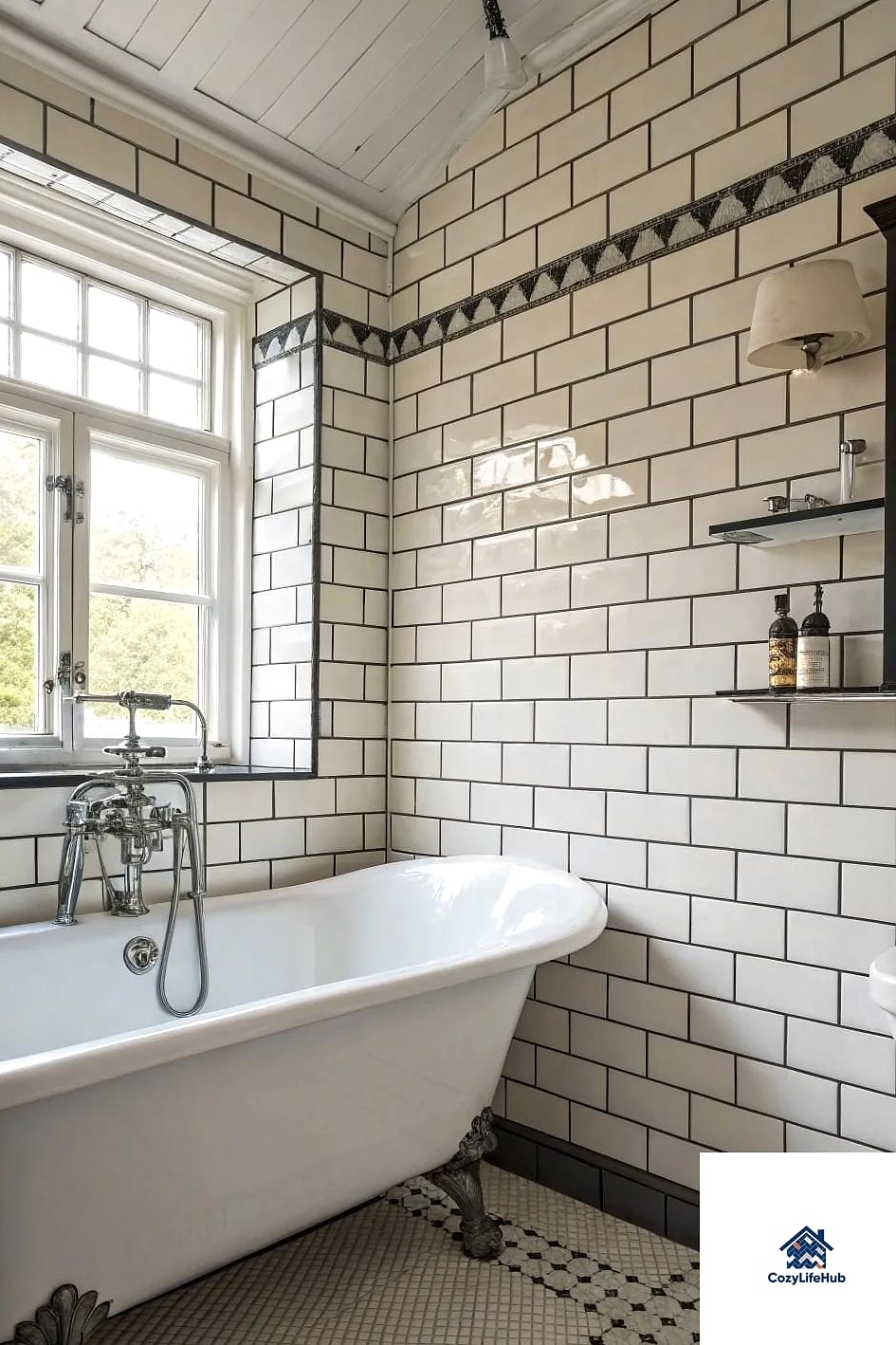
Going all the way up with subway tile, rather than stopping at a standard 4-foot wainscoting height, gives a small bathroom a more cohesive, expansive feel. It also cuts down on the number of surfaces you need to paint and maintain separately.
This look works especially well in bathrooms with lower natural light, since the reflective surface helps bounce light around the room. It’s a bigger investment upfront, but it tends to make even a tiny bathroom feel more finished and intentional.
Subway Tile Laundry Room Backsplash
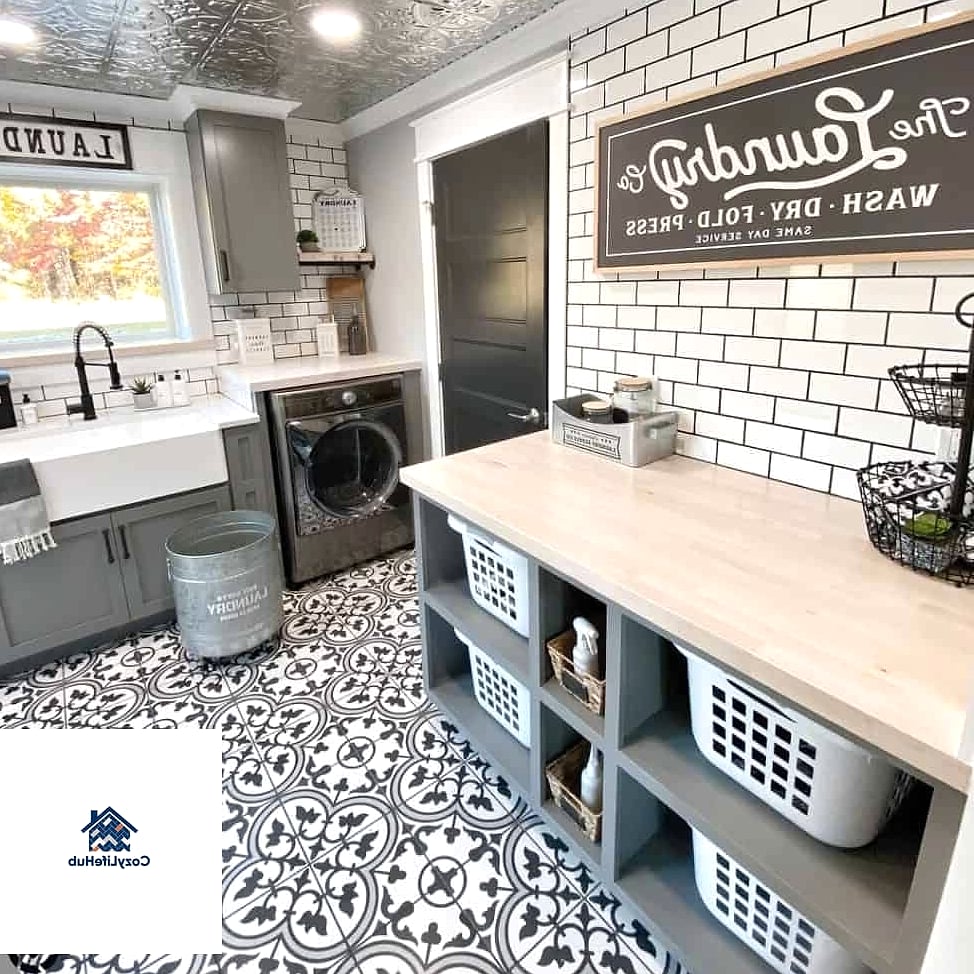
Laundry rooms don’t get a lot of design attention, but a subway tile backsplash behind the sink or folding counter can make the space feel just as put-together as the rest of your home. It also protects the wall from water splashes and detergent spills.
A crisp white or soft gray subway tile keeps things bright in a room that’s often small and windowless. Pair it with open shelving and a few baskets for a laundry room that actually feels intentional rather than an afterthought.
Subway Tile Kitchen Island Wrap
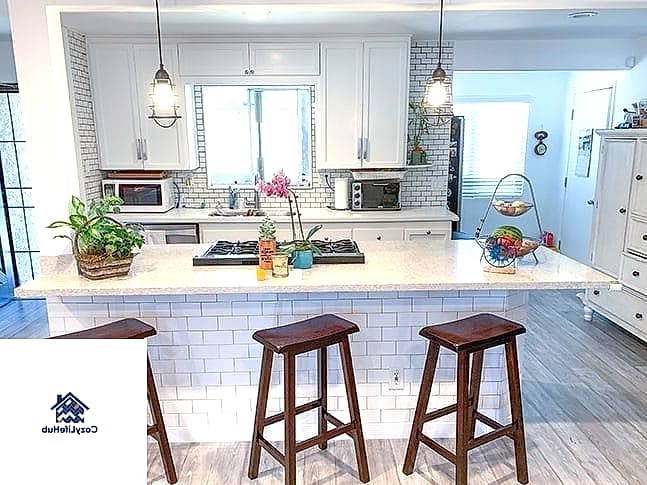
Instead of using subway tile only on the backsplash, consider wrapping the base of your kitchen island in it too. It’s an unexpected detail that adds texture and softens what’s usually a solid block of cabinetry.
This works especially well in farmhouse or cottage-style kitchens where you want a little more visual interest at counter height. It’s a more involved project since it needs waterproofing and careful edge work, but it’s a genuinely unique way to use a familiar material.
Subway tile has stuck around for over a hundred years because it just works, in almost any room, any budget, and any style. The fun part is that there’s no single “right” way to use it. Mix up the color, the layout, the grout, or the size until it feels like your space rather than a copy of someone else’s kitchen. Save whichever of these ideas caught your eye and start there.