17 Antiqued Ivory Subway Backsplash Ideas Perfect for Any Budget
- Classic 3×6 Subway Layout with Warm Grout
- Herringbone Pattern for Extra Movement
- Vertical Stack Installation Behind the Range
- Floor-to-Cabinet Full Wall Coverage
- Peel-and-Stick Antiqued Ivory Tiles for Renters
- Antiqued Ivory with Black Grout for Contrast
- Mixed with Open Shelving for a Farmhouse Feel
- Framed Accent Above the Stove Only
- Antiqued Ivory Mosaic Sheets for Small Kitchens
- Extended Up to a Vent Hood Surround
- Paired with Brushed Brass Hardware and Fixtures
- Budget-Friendly Ceramic Version from Big Box Stores
- Handmade Zellige-Inspired Ivory Tile for a Splurge
- Matte Finish for a Softer, Modern Look
- Glossy Finish for Extra Light Reflection
- Extended Into a Butler’s Pantry or Coffee Bar
- Paired with Butcher Block Counters for Warmth
17 Antiqued Ivory Subway Backsplash Ideas Perfect for Any Budget
If you’ve been scrolling through kitchen inspiration lately, you’ve probably noticed antiqued ivory subway tile popping up everywhere. It’s got that soft, lived-in warmth that stark white tile just doesn’t offer, and it pairs with pretty much any style you’re working with. I’ve pulled together seventeen ways to use it, from budget-friendly peel-and-stick options to full custom installations, so you can find the version that fits your space and your wallet.
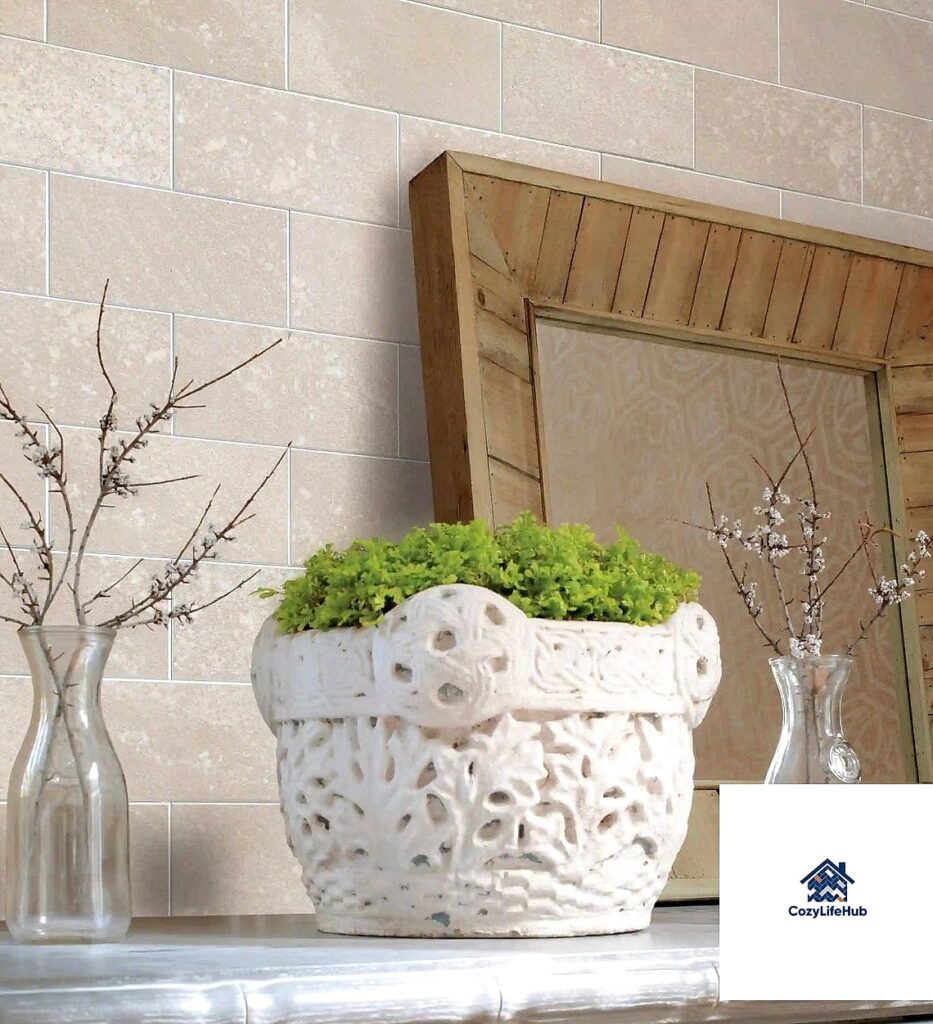
Classic 3×6 Subway Layout with Warm Grout
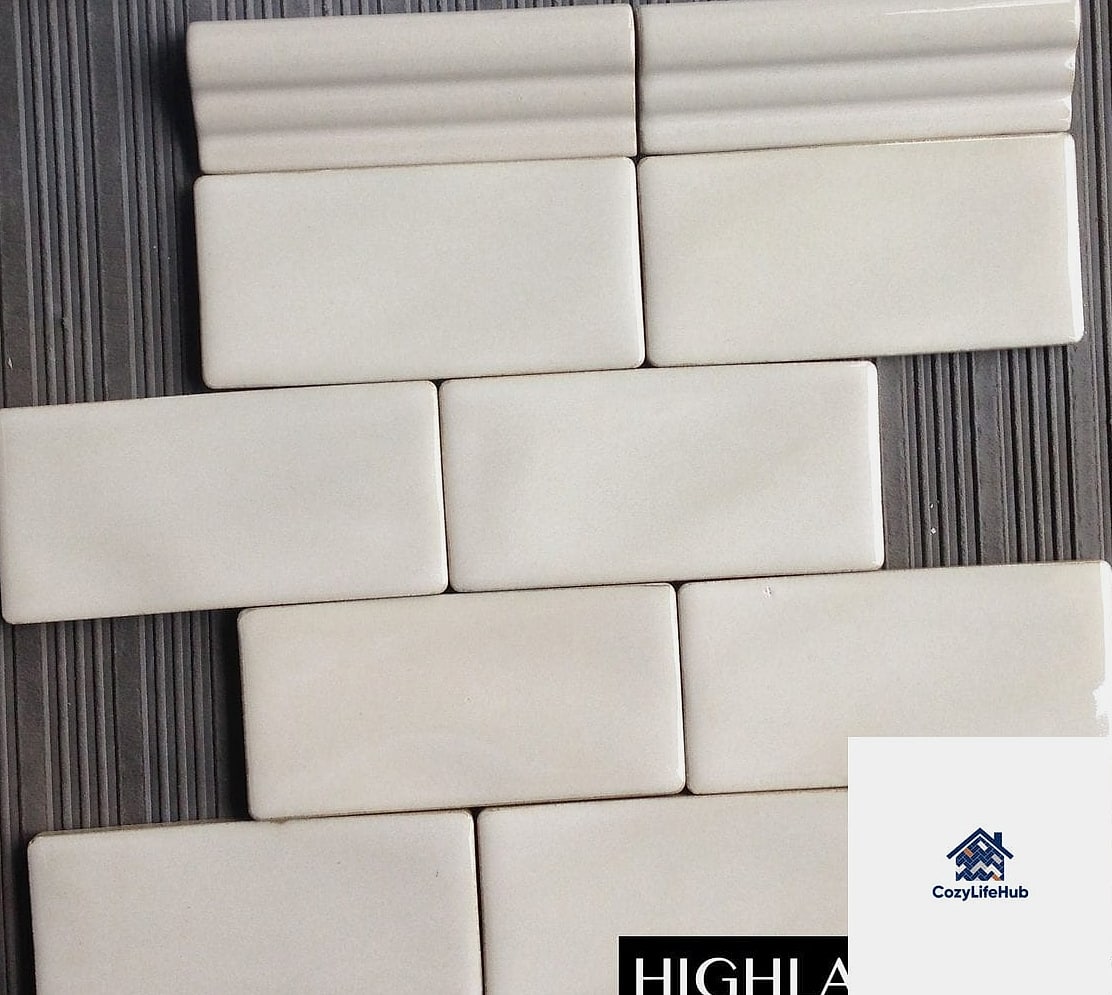
This is the tile pattern most people picture when they hear “subway tile,” and for good reason. The antiqued ivory finish softens the traditional brick-laid look, giving it a slightly worn, collected-over-time feel instead of something fresh out of a showroom. Pair it with a warm beige or taupe grout instead of stark white, and the whole wall reads cohesive rather than choppy. It works beautifully behind a range or across a full kitchen wall, and it’s forgiving if your walls aren’t perfectly straight since the slight color variation in antiqued tile hides minor imperfections. Budget-wise, this is one of the more affordable options since standard subway tile runs inexpensive per square foot.
Herringbone Pattern for Extra Movement
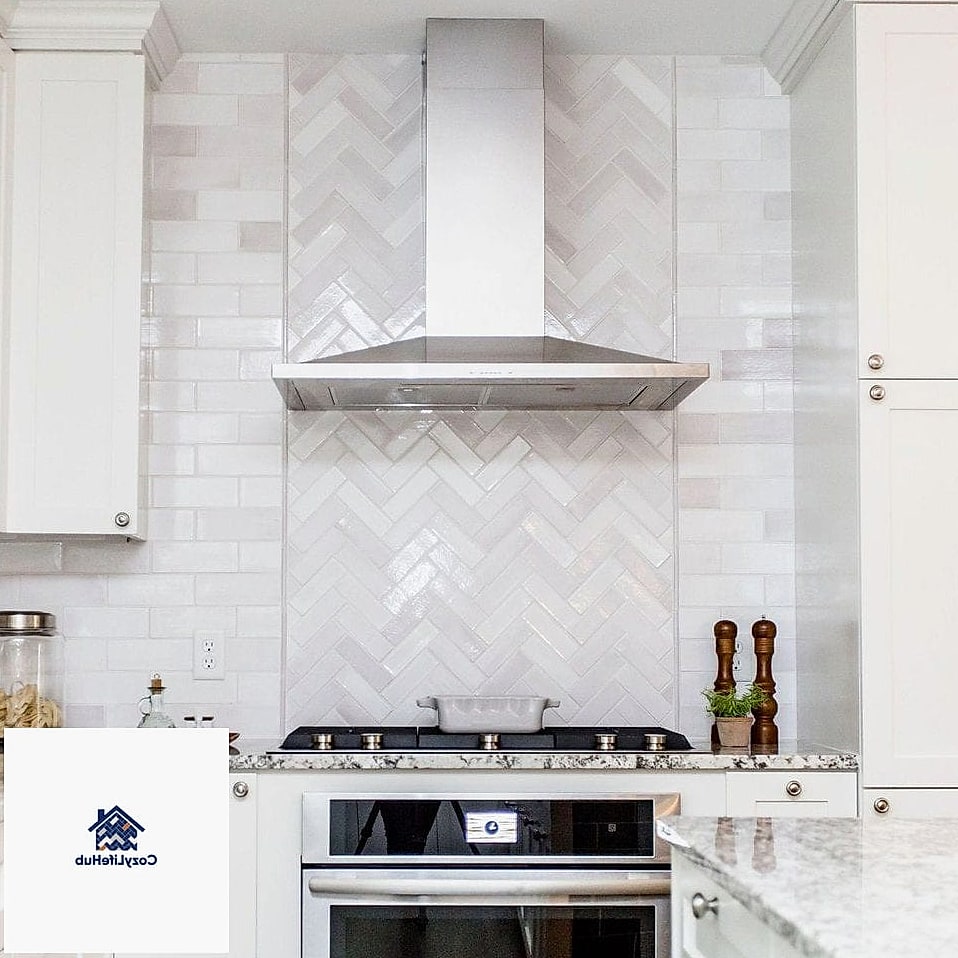
Swap the standard brick layout for a herringbone pattern and suddenly your backsplash has a lot more personality without changing the tile color at all. The zigzag arrangement catches light differently depending on the angle, which makes the antiqued ivory tone look almost dimensional. This works especially well in kitchens with simple, shaker-style cabinetry since the pattern becomes the visual interest instead of competing with ornate cabinet details. It does take longer to install and requires more cuts, so labor costs run a bit higher if you’re hiring it out. DIYers should budget extra time and maybe a tile-cutting jig to keep the angles consistent.
Vertical Stack Installation Behind the Range
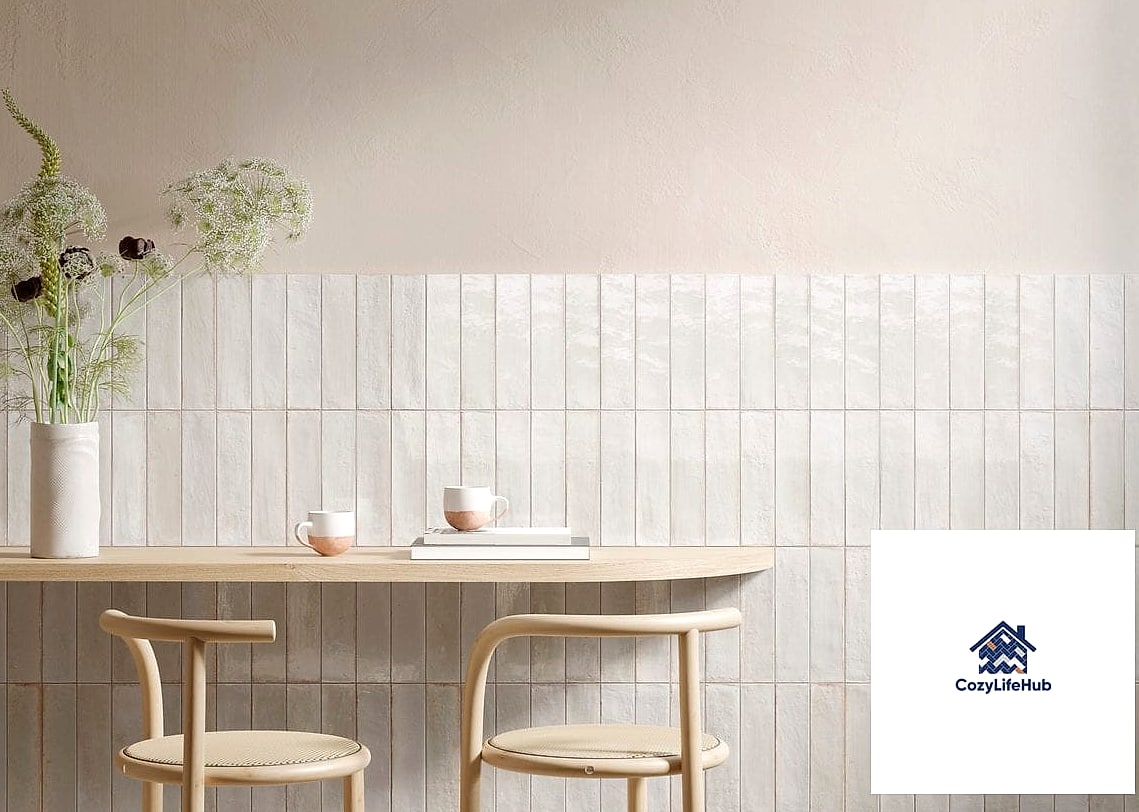
Instead of laying tile horizontally, try stacking it vertically in a straight grid pattern behind your cooktop. This creates a clean, almost architectural line that draws the eye upward, which is a nice trick in kitchens with lower ceilings. The antiqued ivory color keeps it from feeling too stark or modern, so it still fits a traditional or transitional kitchen. I like this option for smaller focal areas rather than full-wall coverage since it can feel a little busy at larger scale. It’s a moderate DIY project if you’ve got tiling experience already.
Floor-to-Cabinet Full Wall Coverage
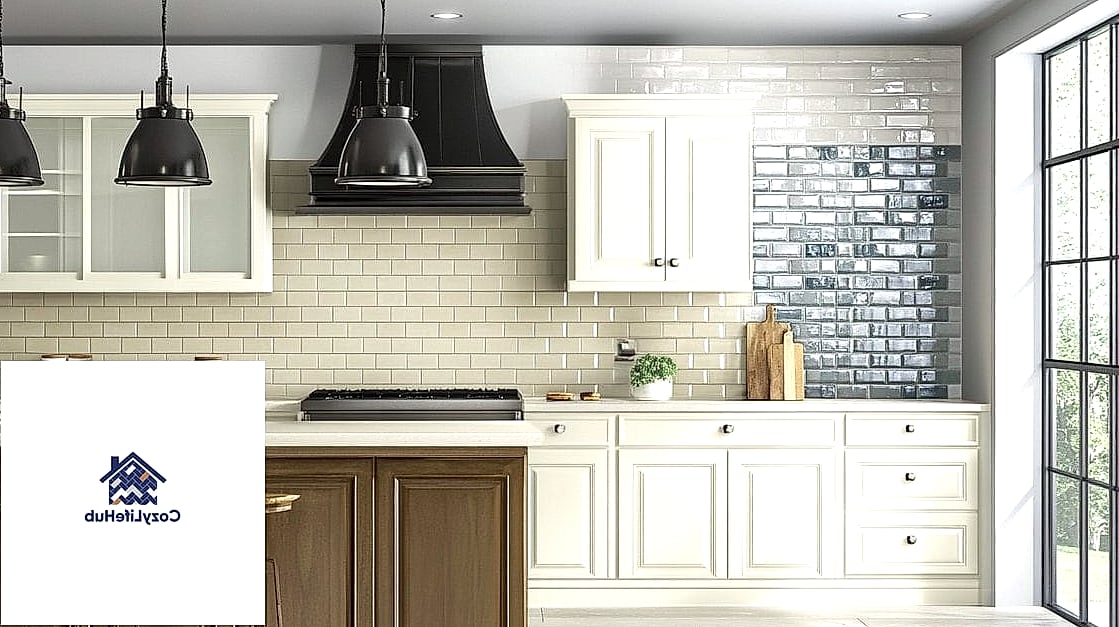
Rather than stopping the backsplash at a standard 18 inches, some homeowners are running antiqued ivory subway tile all the way from countertop to the upper cabinets, or even to the ceiling if there are no upper cabinets on that wall. It’s a bigger investment in materials and labor, but the payoff is a backsplash that feels intentional and finished rather than like an afterthought. This look works particularly well in open-concept kitchens where the backsplash wall is visible from the living or dining area. If your budget is tight, consider doing full coverage on just one focal wall and standard height everywhere else.
Peel-and-Stick Antiqued Ivory Tiles for Renters
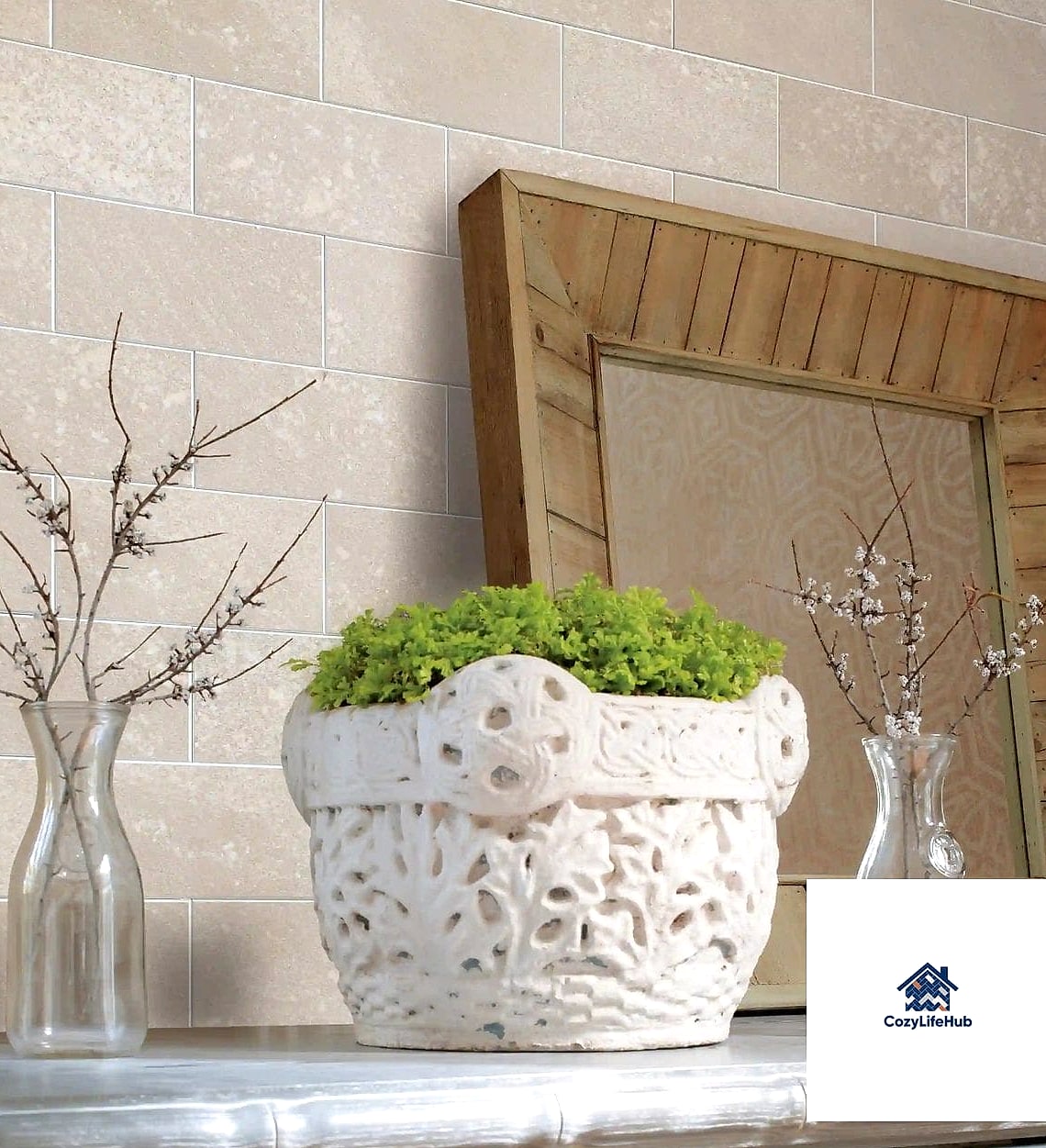
If you’re renting or just not ready to commit to a permanent installation, peel-and-stick versions of antiqued ivory subway tile have gotten surprisingly convincing. They mimic the texture and slight color variation of real ceramic without any demo or mortar involved. This is genuinely one of the best renter-friendly backsplash ideas out there right now, since most options remove cleanly without damaging painted walls. They’re not as durable as real tile, so I wouldn’t recommend them directly behind a stove where heat and grease splatter are constant. For a rental kitchen or a temporary refresh before selling, though, they’re hard to beat on cost and ease.
Antiqued Ivory with Black Grout for Contrast
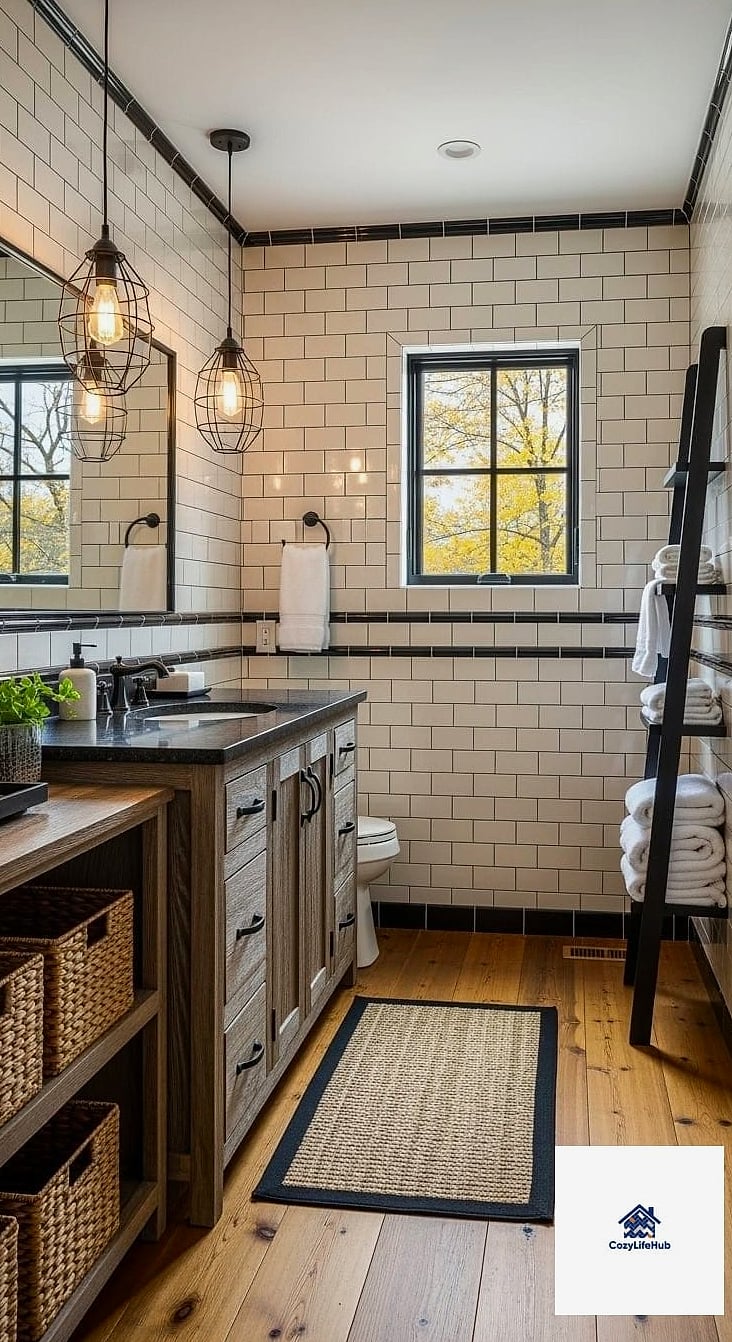
Most people default to a matching or warm-toned grout, but black grout against antiqued ivory tile creates a striking graphic look that photographs beautifully. Each individual tile gets outlined, which emphasizes the classic subway shape and gives the whole backsplash more definition. This pairs especially well with black fixtures or matte black hardware elsewhere in the kitchen for a cohesive, slightly moodier palette. Keep in mind black grout can show soap scum and hard water spots if you’re in an area with mineral-heavy water, so a quick wipe-down routine helps keep it looking sharp.
Mixed with Open Shelving for a Farmhouse Feel
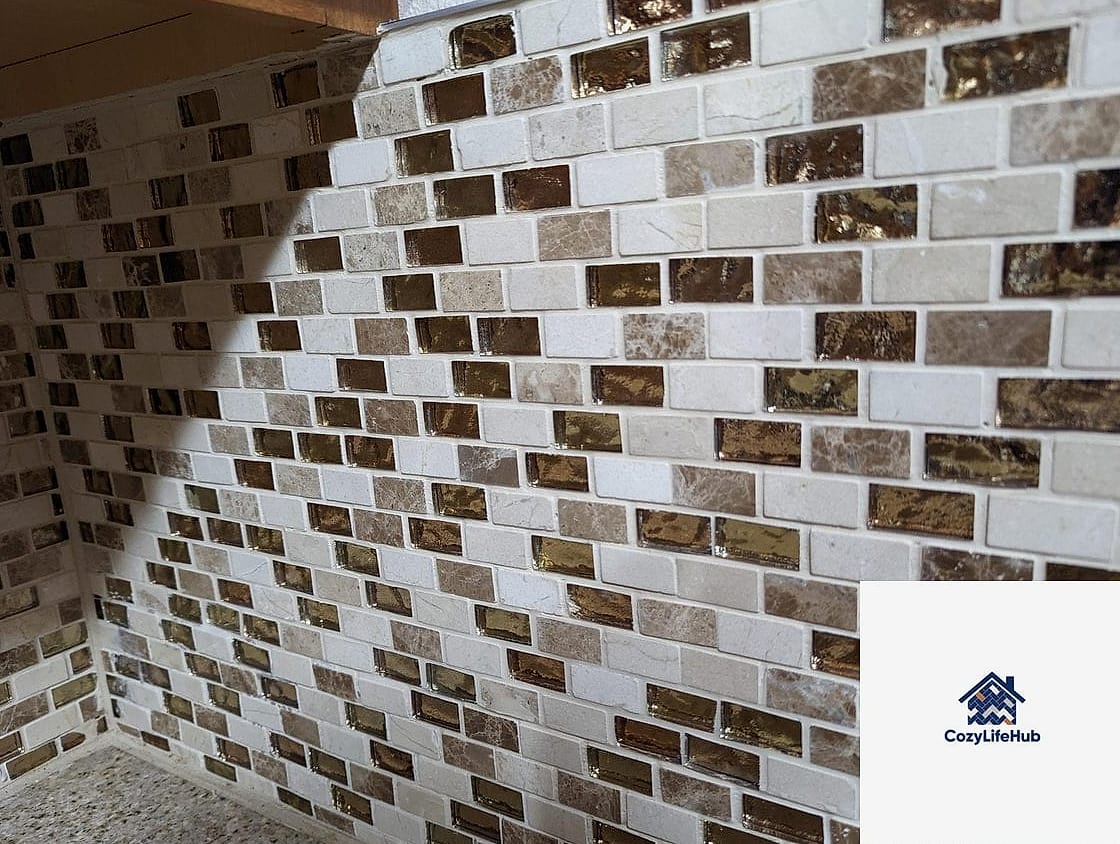
Pair your antiqued ivory subway backsplash with a run of open wood shelving instead of upper cabinets, and you’ve got an instant farmhouse or cottage-style moment. The tile provides a soft, textured backdrop for displaying dishes, plants, or a few favorite ceramic pieces. Warm wood tones on the shelves complement the ivory undertones in the tile really nicely. This is a great option if you’re already loving the exposed storage trend but want a bit more warmth on the wall behind it than plain drywall would give you.
Framed Accent Above the Stove Only
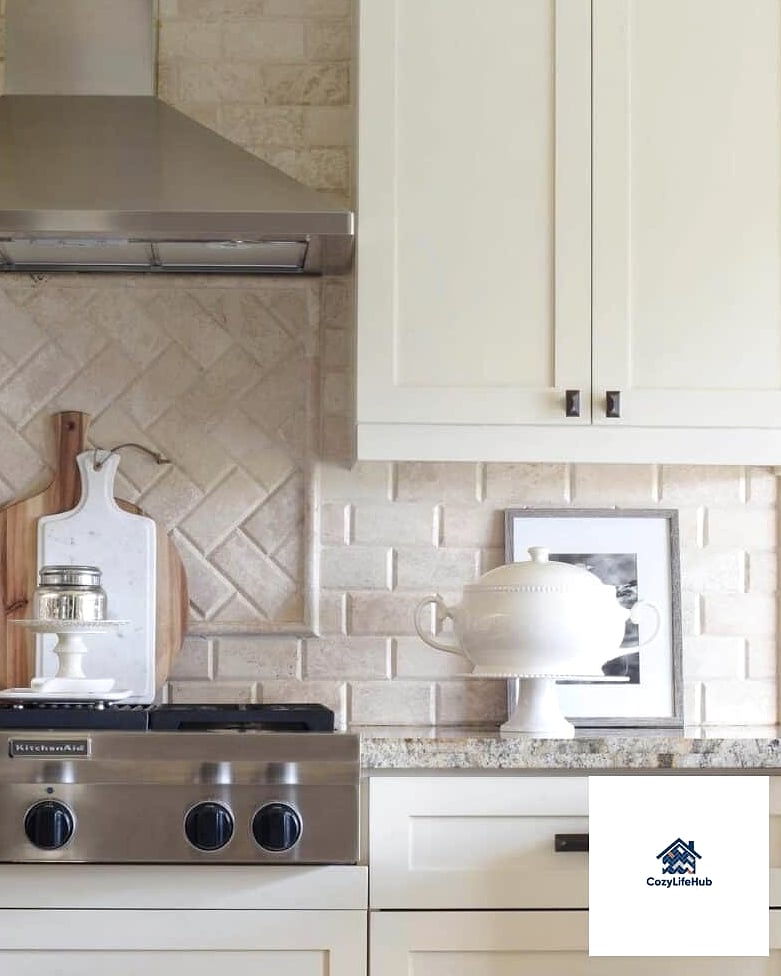
You don’t have to tile the entire kitchen to get the look. A framed rectangle of antiqued ivory subway tile installed just above the range, bordered by a simple trim or pencil tile edge, makes a strong focal point without the full commitment. It’s one of the more budget-friendly ways to bring this trend into your kitchen since you’re covering a fraction of the square footage. This works particularly well in kitchens where the rest of the walls are painted a deeper color, letting the tiled section really stand out as a feature.
Antiqued Ivory Mosaic Sheets for Small Kitchens
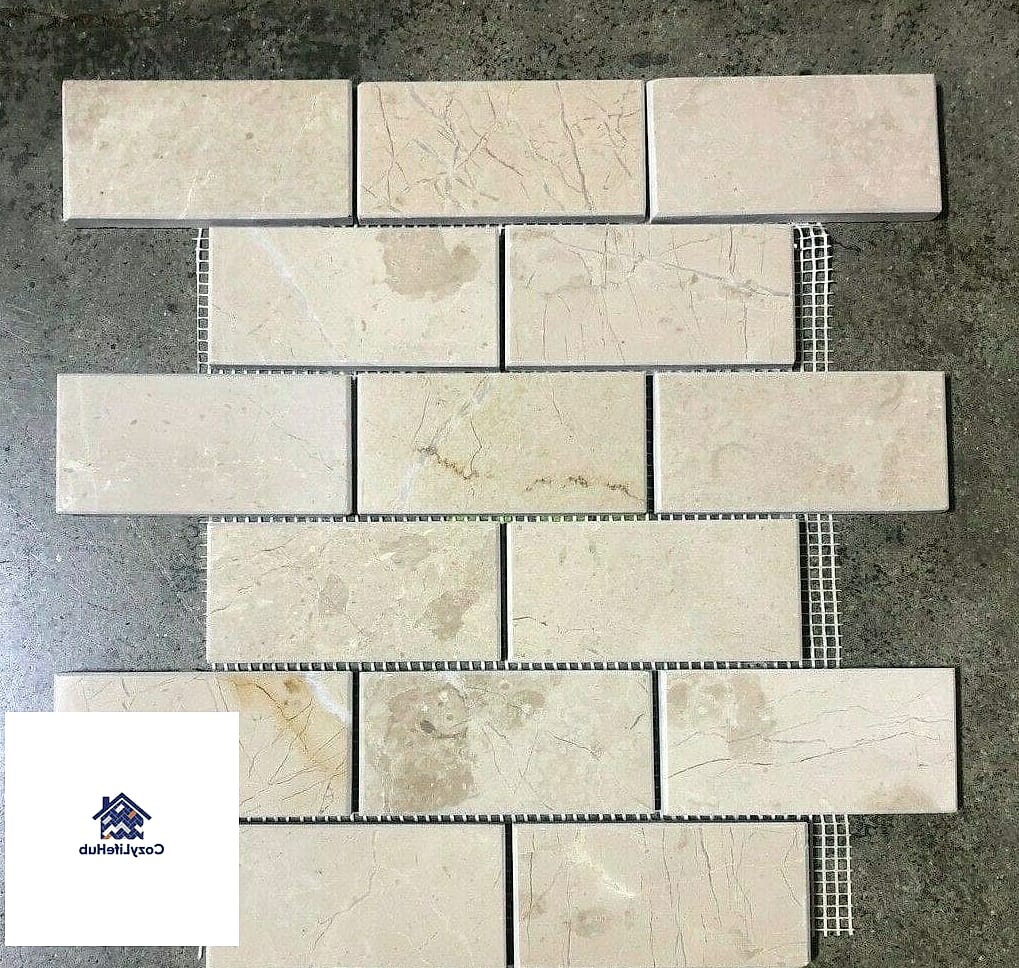
If a full subway layout feels like too much for a compact kitchen, look for antiqued ivory tile in smaller mosaic-mounted sheets. These often mix in tiny accent pieces or slight shape variation, which keeps a small backsplash from feeling flat or boring. Mosaic sheets are also easier for first-time DIYers to install since the mesh backing keeps spacing consistent. I’d recommend this for galley kitchens, kitchenettes, or apartment kitchens where a bold pattern might overwhelm the limited wall space.
Extended Up to a Vent Hood Surround
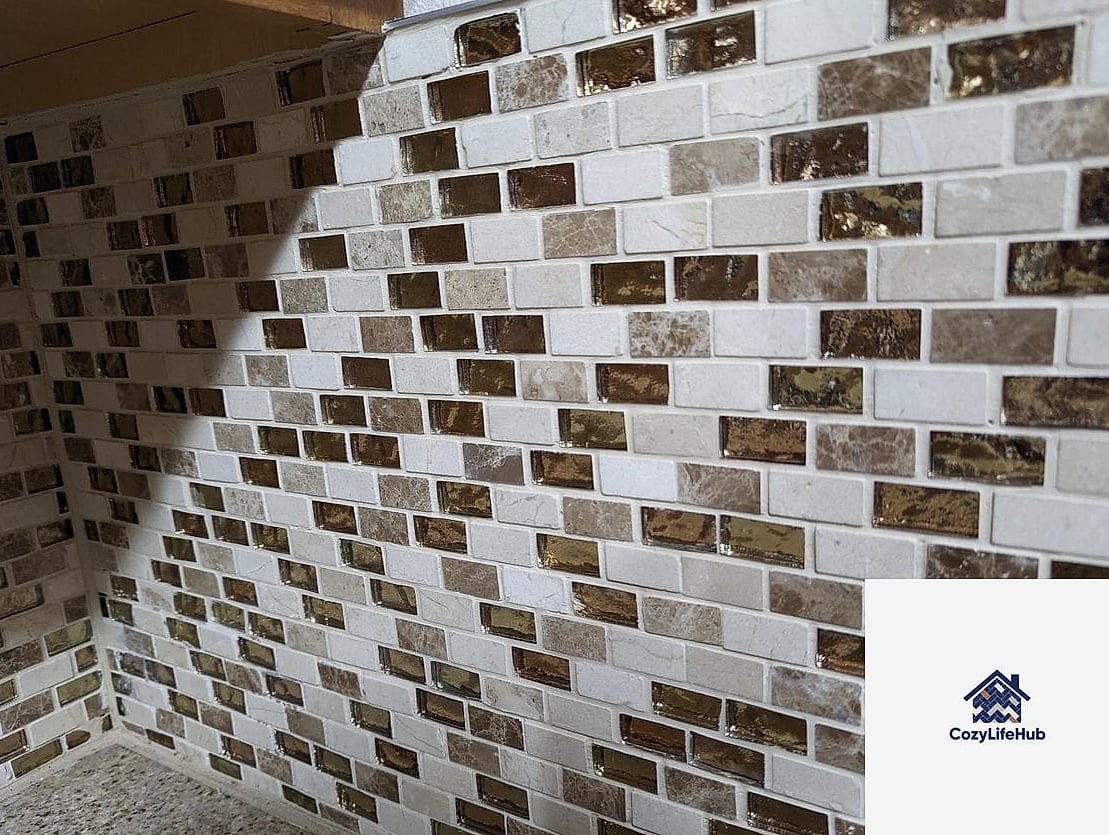
Wrapping your antiqued ivory subway tile around a range hood, rather than stopping at the counter edge, turns the hood into a real design statement. The tile softens the hard lines of a metal or plaster hood and ties it visually to the rest of the backsplash. This is a slightly bigger project since you’re working around curves and angles, so hiring a professional tiler is worth considering if your hood has a complicated shape. The payoff is a kitchen that looks custom-built rather than assembled from separate parts.
Paired with Brushed Brass Hardware and Fixtures
Antiqued ivory has warm undertones that play beautifully off brushed brass faucets, cabinet pulls, and pendant lighting. If you’re already drawn to that warmer metal finish, building your backsplash around it creates a really pulled-together palette. This combination leans traditional or transitional rather than modern farmhouse, so it’s worth considering your cabinet style before committing. Brass does show water spots more than matte finishes, so a quick polish now and then keeps everything looking its best.
Budget-Friendly Ceramic Version from Big Box Stores
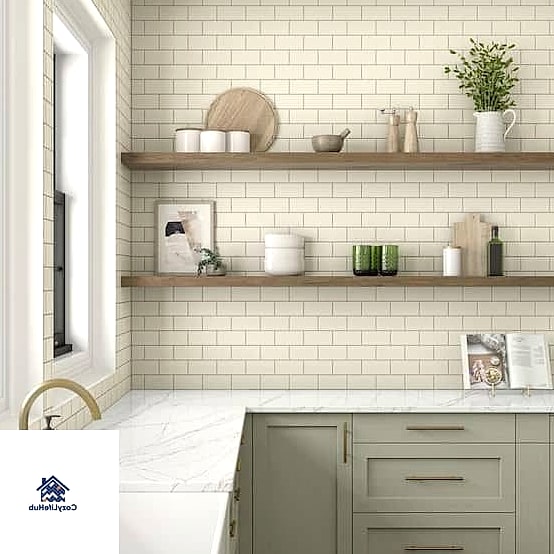
You don’t need designer tile to get this look. Most major home improvement stores carry an antiqued ivory ceramic subway tile that runs just a couple dollars per square foot, making it one of the most accessible ways to try this trend. The finish won’t be quite as varied as handmade or artisan tile, but from a few feet away the effect is nearly identical. This is a smart pick if you’re doing a starter home, rental flip, or just testing whether you like the look before investing in something pricier.
Handmade Zellige-Inspired Ivory Tile for a Splurge
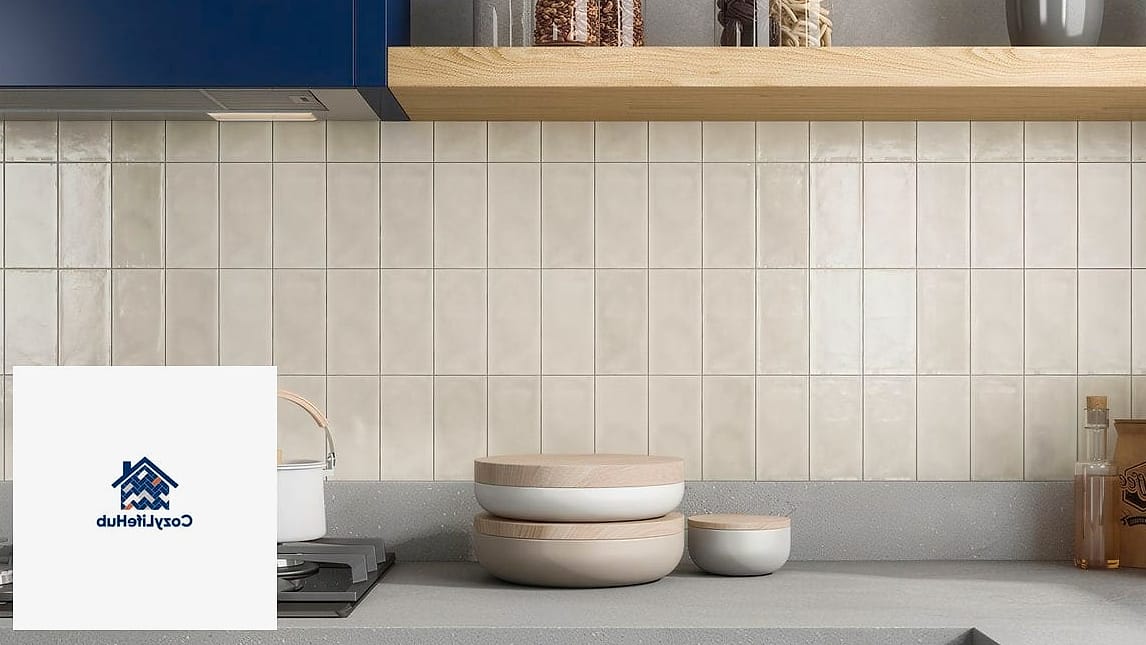
On the opposite end of the budget spectrum, look for handmade or zellige-style antiqued ivory tile if you want serious texture and depth. Each tile has slight variations in thickness, glaze pooling, and surface texture, which catches light in a way that machine-made tile just can’t replicate. It costs significantly more and installation is trickier because the tiles aren’t perfectly uniform, so budget for a skilled installer. If you’ve got the budget for a true splurge moment in your kitchen, this is where I’d spend it.
Matte Finish for a Softer, Modern Look
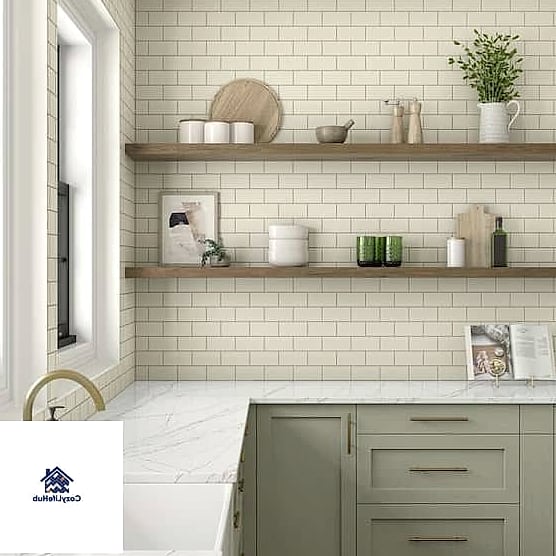
Choosing a matte antiqued ivory tile instead of a glossy one shifts the whole vibe toward something quieter and more contemporary. Matte finishes hide fingerprints and water spots better than glossy tile, which is a genuine practical perk in a high-traffic kitchen. It also photographs with less glare, so if you’re someone who likes taking kitchen photos for social media, matte tends to look better in natural light. This pairs nicely with matte black or brushed nickel fixtures for a soft, understated kitchen palette.
Glossy Finish for Extra Light Reflection
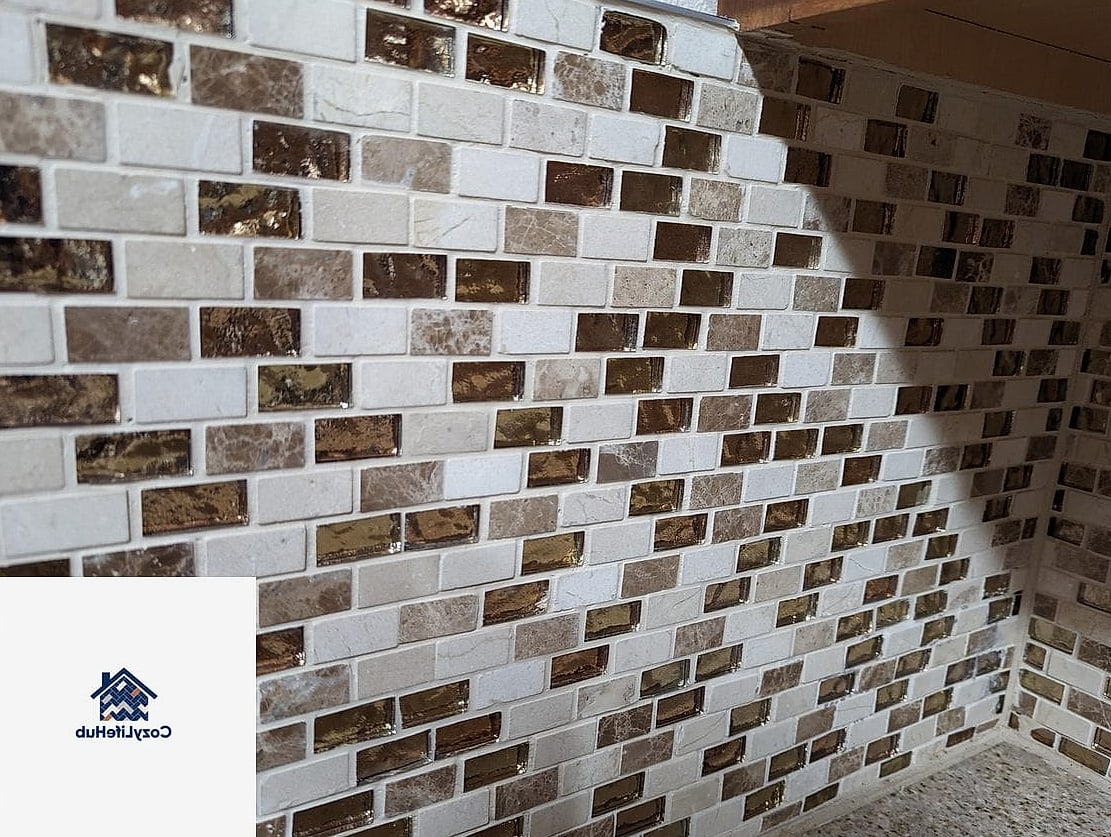
On the flip side, a glossy antiqued ivory subway tile bounces light around a room, which is genuinely useful in kitchens without much natural light. The slight sheen makes the space feel brighter and a bit more polished, even with the same warm, aged color palette. Glossy tile does show water spots and grease more readily, so plan on wiping it down more often, especially near the stove. If your kitchen faces north or gets limited sun, this finish choice can make a real difference in how the room feels day to day.
Extended Into a Butler’s Pantry or Coffee Bar
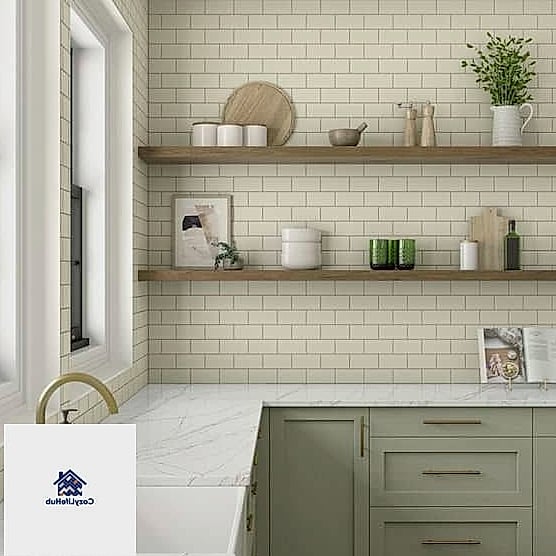
If you’ve got a butler’s pantry, coffee station, or small wet bar area, carrying the same antiqued ivory subway tile into that space creates a nice sense of continuity throughout your kitchen. It doesn’t have to be identical in layout. You could do the main kitchen in a classic brick pattern and switch to herringbone in the smaller secondary space for subtle variety. This is a great way to make a small bonus area feel just as considered as the main kitchen instead of like leftover space.
Paired with Butcher Block Counters for Warmth
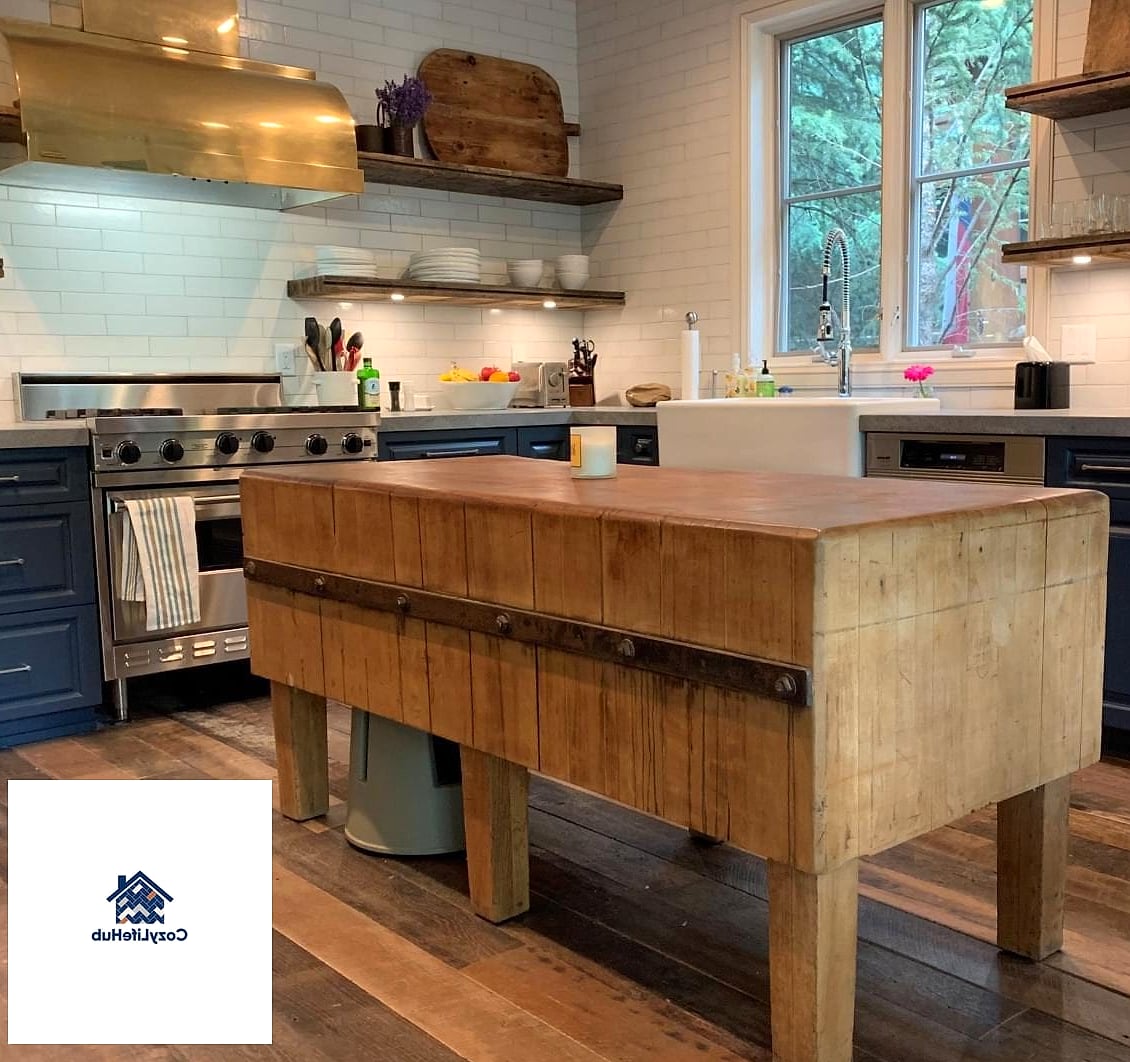
Antiqued ivory tile against butcher block countertops is one of my favorite combinations for a cozy, collected kitchen feel. The warm wood tones pick up on the ivory’s soft undertones instead of competing with cooler quartz or marble surfaces. This pairing works especially well in cottage, farmhouse, or vintage-inspired kitchens where you want everything to feel a little worn-in and welcoming. Butcher block does require more maintenance than stone counters, so factor in occasional oiling and sealing if you go this route.
Whatever your budget or kitchen style, antiqued ivory subway tile is flexible enough to work in nearly any setup. Start with the layout and finish that fits your space best, then build the rest of your palette around it. Small changes like grout color or tile orientation can completely shift the mood, so don’t be afraid to mix a few of these ideas together until it feels like your kitchen.